
Solved case
Los Angeles Times bombing
On October 1, 1910, a dynamite bomb planted by union activist James B. McNamara exploded in an alley beside the Los Angeles Times Building, sparking a fire that killed 21 people. He and his brother John J. McNamara were later arrested and pleaded guilty.

Overview
On the night of September 30–October 1, 1910, a suitcase containing sixteen sticks of dynamite was left in "Ink Alley," a passage between the Los Angeles Times Building and its printing annex. The device, rigged to a windup clock and electric battery, detonated at 1:07 a.m. on October 1, 1910. The blast ignited natural gas piped into the building and started a fire that collapsed part of the structure. Of roughly 115 people inside, 21 died, most in the fire, and more than 100 were injured. Similar unexploded bombs were found the same morning outside the homes of Times publisher Harrison Gray Otis and Merchants and Manufacturers' Association secretary Felix Zeehandelaar.
Background and investigation
The bombing occurred amid a bitter Los Angeles labor dispute: the International Association of Bridge and Structural Iron Workers (IW) was engaged in a citywide strike against open-shop employers, and had for several years conducted a broader campaign of bombings against non-union iron works nationally. Private detective William J. Burns was hired by the City of Los Angeles to investigate. Using an informant inside the union and undercover surveillance, Burns identified James B. ("J.B.") McNamara and his brother John J. ("J.J.") McNamara, an IW secretary-treasurer, as suspects, along with Ortie McManigal. On April 14, 1911, Burns and police arrested McManigal and J.B. McNamara in Detroit; J.J. McNamara was arrested on April 22, 1911, during a raid on IW headquarters in Indianapolis. McManigal signed a confession implicating the McNamaras and others.
Legal proceedings
The McNamara brothers were arraigned May 5, 1911, and initially pleaded not guilty, becoming a rallying cause for the American labor movement, with attorney Clarence Darrow leading their defense. As jury selection proceeded and evidence mounted, plea negotiations occurred involving Otis and Times executive Harry Chandler. On December 1, 1911, the brothers changed their pleas to guilty. James B. McNamara admitted to placing the bomb that destroyed the Times Building and expressed regret that people had died; he was sentenced to life imprisonment. John J. McNamara admitted to ordering a separate bombing of the Llewellyn Iron Works and received a fifteen-year sentence. Related federal prosecution in Indianapolis in 1912 resulted in convictions of 38 of 40 remaining defendants on federal dynamite-transport conspiracy charges. Two additional men connected to the Los Angeles bombings, David Caplan and Matthew Schmidt, were arrested in 1915; Schmidt was convicted of murder in December 1915 and given life imprisonment, while Caplan was convicted of second-degree manslaughter in December 1916 and sentenced to ten years.
Aftermath
James B. McNamara died of cancer in San Quentin State Prison on March 9, 1941. John J. McNamara, released after nine years, later returned to union organizing, was convicted in a separate matter, and died in Butte, Montana, on May 8, 1941. The bombing and its prosecution had lasting effects on the Los Angeles labor movement, which saw significant membership losses in subsequent years.
Key facts
- Victims
- On file
- Date
- 1910
- Location
- Los Angeles Times Building, First Street and Broadway, Los Angeles, California
- Case status
- solved
Case timeline
1910-06-01
1,500 union members strike Los Angeles iron manufacturers over wages and overtime.
1910-09-30
James B. McNamara plants a suitcase bomb containing sixteen sticks of dynamite in 'Ink Alley' beside the Los Angeles Times Building, set to detonate at 1:00 a.m.
1910-10-01
Bomb explodes at 1:07 a.m., igniting a gas-fed fire that kills 21 people and injures more than 100 in the Los Angeles Times Building.
1910-10-02
Los Angeles Mayor George Alexander hires private detective William J. Burns to investigate the bombing.
1910-12-25
Ortie McManigal detonates a bomb at the Llewellyn Iron Works in Los Angeles on orders relayed through J.J. McNamara.
1911-04-14
William J. Burns and police arrest Ortie McManigal and James B. McNamara at the Oxford Hotel in Detroit.
1911-04-22
John J. McNamara is arrested during a raid on Iron Workers union headquarters in Indianapolis.
1911-05-05
The McNamara brothers are arraigned and plead not guilty.
1911-12-01
James B. and John J. McNamara change their pleas to guilty in open court.
1911-12-09
The McNamara brothers enter San Quentin State Prison.
1912-12-28
A federal jury in Indianapolis finds 38 of 40 remaining Iron Workers defendants guilty of conspiracy to illegally transport dynamite.
1915-02-13
Matthew Schmidt is arrested in New York City in connection with the Los Angeles bombings.
1915-02-18
David Caplan is arrested in the Seattle area.
1915-12
Matthew Schmidt is convicted of murder and sentenced to life imprisonment.
1916-12
David Caplan is convicted of second-degree manslaughter and sentenced to ten years in prison.
1923
David Caplan is released from prison after six and a half years.
1941-03-09
James B. McNamara dies of cancer in San Quentin State Prison.
1941-05-08
John J. McNamara dies in Butte, Montana.
Best coverage
No coverage has been attached to this file yet.
People
John J. McNamara
CONVICTEDPleaded guilty on December 1, 1911, to ordering the bombing of the Llewellyn Iron Works; sentenced to fifteen years in prison.
James B. McNamara
CONVICTEDPleaded guilty on December 1, 1911, to murder for planting the bomb that destroyed the Los Angeles Times Building; sentenced to life imprisonment.
William J. Burns
LAW ENFORCEMENTPrivate detective hired by the City of Los Angeles on October 2, 1910, who led the investigation resulting in the arrests of McManigal and the McNamara brothers.
Ortie McManigal
CONVICTEDArrested with James B. McNamara in April 1911; turned state's evidence and signed a confession implicating the McNamaras; served two and a half years in prison before parole.
Matthew Schmidt
CONVICTEDIndicted in 1911 for helping acquire dynamite used in the bombings; arrested in 1915 and convicted of murder in December 1915, sentenced to life imprisonment.
David Caplan
CONVICTEDIndicted in 1911 for helping acquire dynamite used in the bombings; arrested in 1915; first trial ended in a deadlocked jury, second trial in December 1916 resulted in conviction for second-degree manslaughter and a ten-year sentence.
Roles reflect public records and court outcomes at the time of writing — supporting citations are on file under Sources.
Archival records

newspaper
Los Angeles Times building, after the bombing disaster on October 1, 1910 (CHS-5728)
Credit: Unknown authorUnknown author · Public domain · Source
archival location
Photo-los-angeles-times-building-post-bombing
Credit: Unknown authorUnknown author · Public domain · Source

unclassified
Clarence Darrow
Credit: Herzog · Public domain · Source

other document
Talesman in McNamara case (LA Times bombing trial)
Credit: The Library of Congress · Public domain · Source

unclassified
The flareback 27801u original
Credit: This image is available from the United States Library of Congress's Prints and Photographs division under the digital ID ppmsca.27801.This tag does not indicate the copyright status of the attached work. A normal copyright tag is still required. See Commons:Licensing. · Public domain · Source
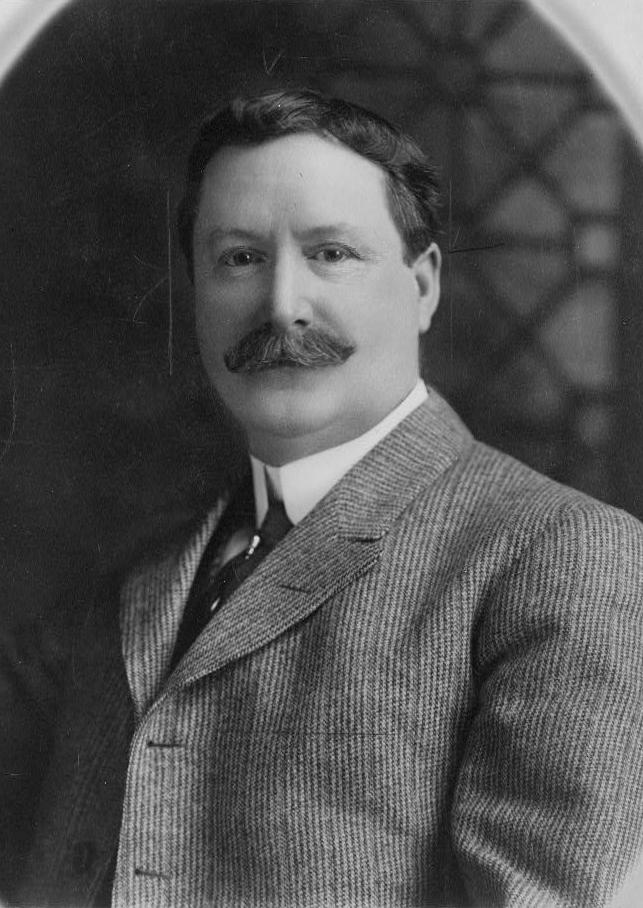
unclassified
William J. Burns
Credit: Unknown authorUnknown author · Public domain · Source

other document
John Joseph McNamara James Barnabas McNamara Los Angeles Times bombing 1910 03
Credit: California Department of Corrections · Public domain · Source

unclassified
John Joseph McNamara James Barnabas McNamara Los Angeles Times bombing 1910 02
Credit: California Department of Corrections · Public domain · Source

mugshot
John Joseph McNamara James Barnabas McNamara Los Angeles Times bombing 1910 01
Credit: California Department of Corrections · Public domain · Source

unclassified
Los Angeles - Talesmen in McNamara Case LCCN2014689887
Credit: Bain News Service, publisher · Public domain · Source

unclassified
Los Angeles - Talesmen in McNamara Case LCCN2014689887
Credit: Bain News Service, publisher · Public domain · Source

unclassified
Jurors playing cards - their bedroom McNamara case LCCN2014689888
Credit: Bain News Service, publisher · Public domain · Source
Places
Common questions
- What happened to the victim?
- On October 1, 1910, a dynamite bomb planted by union activist James B. McNamara exploded in an alley beside the Los Angeles Times Building, sparking a fire that killed 21 people. He and his brother John J. McNamara were later arrested and pleaded guilty.
- Where did the bombing happen?
- Los Angeles Times Building, First Street and Broadway, Los Angeles, California.
- Who was convicted?
- John J. McNamara (Pleaded guilty on December 1, 1911, to ordering the bombing of the Llewellyn Iron Works; sentenced to fifteen years in prison.), James B. McNamara (Pleaded guilty on December 1, 1911, to murder for planting the bomb that destroyed the Los Angeles Times Building; sentenced to life imprisonment.), Ortie McManigal (Arrested with James B. McNamara in April 1911; turned state's evidence and signed a confession implicating the McNamaras; served two and a half years in prison before parole.), Matthew Schmidt (Indicted in 1911 for helping acquire dynamite used in the bombings; arrested in 1915 and convicted of murder in December 1915, sentenced to life imprisonment.), and David Caplan (Indicted in 1911 for helping acquire dynamite used in the bombings; arrested in 1915; first trial ended in a deadlocked jury, second trial in December 1916 resulted in conviction for second-degree manslaughter and a ten-year sentence.).
- What is the current status of the case?
- Status: solved. Last verified July 2026.
Related cases
View all cases
Disappearance of Walter Collins
Los Angeles, California, United States

Murder of Marion Parker
Los Angeles, California

Rodney Alcala
Los Angeles, California (primary jurisdiction of convictions)

Preparedness Day bombing
Steuart Street near Market Street, San Francisco, California

Lexington Avenue explosion
1626 Lexington Avenue, New York City

2022 University of Idaho Murders
Moscow, Idaho
Sources
- ENCYCLOPEDICLos Angeles Times bombingWikipedia · 2026-07-07
- PRESSContemporaneous coverage — Los Angeles TimesLos Angeles Times · 2026-07-07
- PRESSContemporaneous coverage — motorsportmemorial.orgmotorsportmemorial.org · 2026-07-07
Record history
- First published
- JUL 07, 2026
- Last verified against sources
- JUL 07, 2026
When a file you follow changes — a new development, a correction, fresh coverage — the Dispatch is how you hear about it.
The Casepin Dispatch
A calm weekly briefing from the archive — one case worth understanding, meaningful updates to files you follow, and the best new coverage. You’ll also get the one-time note when the apps land. No gore, no rumor, no drip.