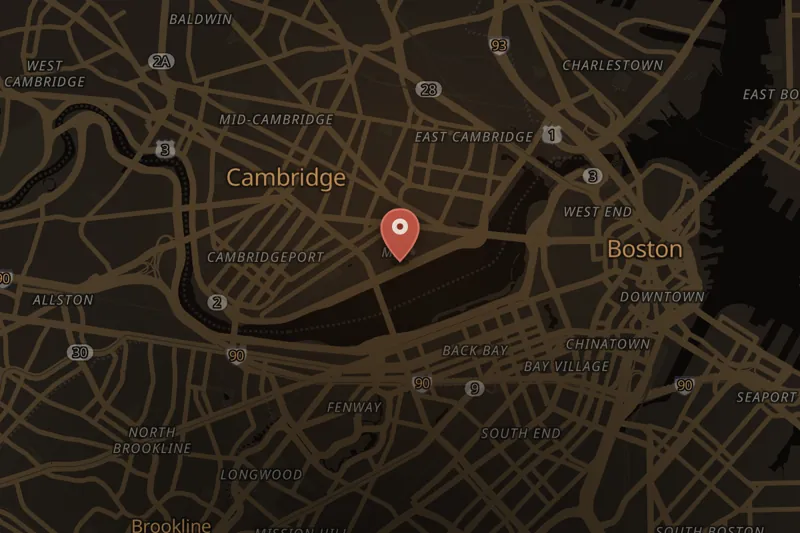
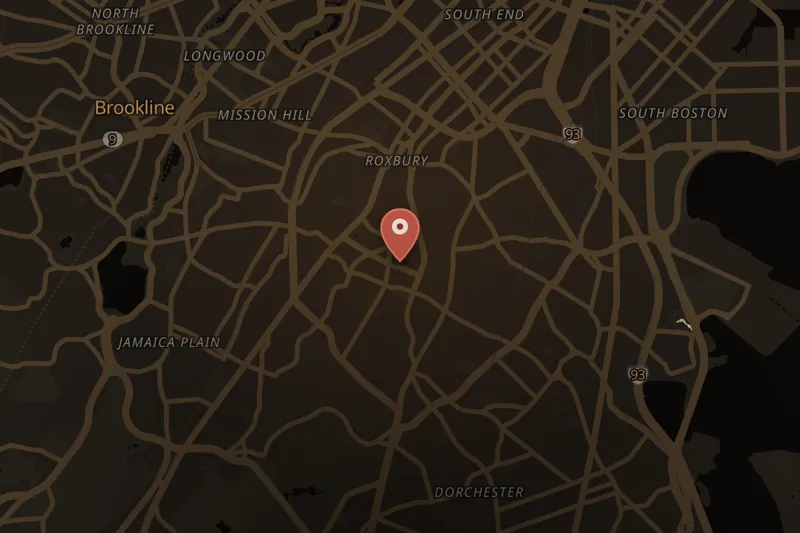
Between January and May 1979, twelve women — eleven Black women and one White woman — were killed within several miles of one another in the Roxbury neighborhood on the south side of Boston, Massachusetts. This was not believed to be the work of a single serial killer; at least four different men were charged in connection with the various killings. The Boston Globe was reportedly one of the only media outlets to cover the killings as they occurred, while Black feminist organizations, including the Combahee River Collective, were among the most vocal in drawing public attention to the deaths.
The killings occurred against a backdrop of severe racial tension in Boston stemming from the court-ordered desegregation of public schools beginning in 1974, which led to riots, protests, and violent incidents in and around Roxbury and neighboring communities.
Victims named in available reporting include Christine (Chris) Ricketts, 15, and Andrea Foye, 17, both found on East Lenox Street in Roxbury on January 29, 1979, in trash bags with a blanket; Gwendolyn Yvette Stinson, 15, found strangled near her Dorchester home on January 30; Caren Prater, 25, found beaten and stabbed in Franklin Park on February 2; Daryal Ann Hargett, 29, found strangled and bound in her Wellington apartment on February 21; Desiree Denise Etheridge, 17, found beaten and burned on Fellow Street in Dorchester on March 14; Darlene Rogers, 22, found stabbed in Washington Park on April 14; Lois Hood Nesbitt, 31, found strangled in her bed on April 28; Valyric Holliday, 19, who died after being stabbed in her Dorchester apartment; Sandra Boulware, 30, found dead and burned near a YMCA; and Bobbie Jean Graham, 34, found dead in an alley after witnesses reported seeing her dragged there.
Named individuals arrested or charged in connection with specific killings include a man in relation to the Ricketts and Foye deaths, a neighbor in relation to the Stinson killing, a man in relation to the Prater killing, a man convicted in relation to the Nesbitt killing, a man arrested the night of the Holliday stabbing who pleaded not guilty, and a man in relation to the Boulware killing.
In response to the killings, Barbara Smith and the Combahee River Collective organized an April 1, 1979 march memorializing the deaths of, at that time, six women, and distributed a pamphlet titled "Six Black Women: Why Did They Die?" arguing the killings reflected both racist and sexist violence against systemically undervalued Black women. The Coalition for Women's Safety, a Boston women's organization, formed in response to the murders to pursue community education on violence against women and to examine taxi driver licensing following a number of assaults in taxicabs. Most of the killings received little national media coverage, in contrast to the widely publicized death of Faye Polner, described as an example of "Missing White Woman Syndrome" in surrounding media coverage.

 SOLVEDListen