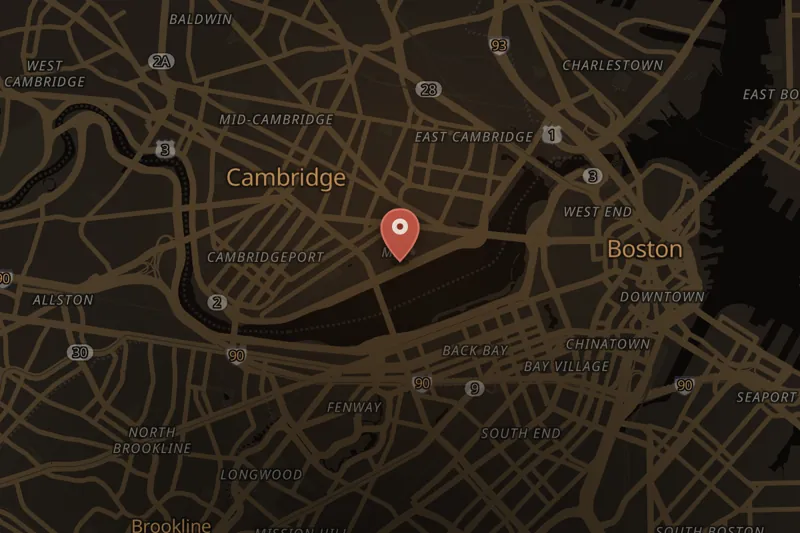
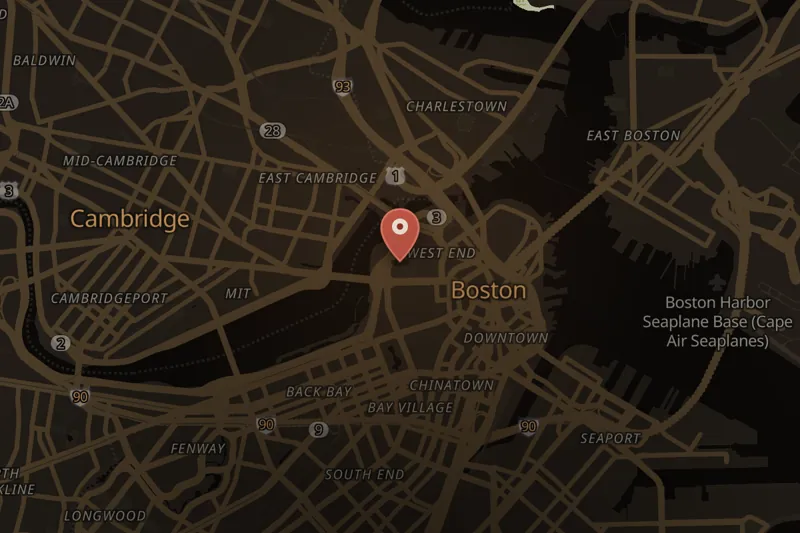
George Parkman, a wealthy Boston landowner known for personally collecting rents throughout the city, disappeared on November 23, 1849. He had gone to Harvard Medical College that afternoon, at the invitation of John White Webster, a chemistry lecturer who owed him money. Parkman was last confirmed seen entering the college on North Grove Street at about 1:45 pm. When he failed to return home, his family alerted police and, within days, offered escalating rewards for information on his whereabouts or body.
Suspicion gradually centered on Webster after Ephraim Littlefield, the college janitor who lived in the building's basement, noticed unusual behavior: locked doors, an unusually hot furnace, depleted kindling, and an unprecedented gift of a turkey from Webster. Acting largely on his own initiative over the Thanksgiving holiday, Littlefield chiseled through a wall beneath Webster's private laboratory privy and, on November 30, discovered human remains including a pelvis and dismembered limbs. Marshal Francis Tukey was summoned, and further searches of the laboratory turned up a torso in a tea chest, a jawbone with dental work in a furnace, and other body parts. George Parkman's wife and brother-in-law identified physical markings on the torso, and dentist Nathan Cooley Keep matched the jawbone to dental work he had performed on Parkman. Webster was arrested and taken to jail, where he unsuccessfully attempted to take his own life with strychnine.
Webster was indicted for murder on January 26, 1850. His trial before Chief Justice Lemuel Shaw of the Massachusetts Supreme Judicial Court ran for twelve days beginning March 19, 1850, and drew national and international press attention, with an estimated 60,000 spectators cycling through the courtroom. The prosecution, led by Attorney General John Clifford and George Bemis, presented forensic testimony from anatomists, dentists, and other medical experts to establish that the remains were Parkman's and that death had occurred at the college. The defense, led by Edward Dexter Sohier and Pliny T. Merrick, argued the remains could not be conclusively identified and that the prosecution's case was circumstantial. Judge Shaw instructed the jury that the remains needed to be identified only "beyond a reasonable doubt" rather than to "an absolute certainty," a legal standard later regarded as historically significant. On March 30, 1850, the jury found Webster guilty; he was sentenced to death on April 1.
After unsuccessful appeals and a denied writ of error, Governor George N. Briggs declined to grant clemency, in part because of political considerations following his earlier refusal to pardon another condemned man. In June 1850, Webster wrote a confession stating that he had struck Parkman in a sudden rage during a confrontation over debt, denying premeditation. He was hanged at Boston's Leverett Street Jail on August 30, 1850, and buried at Copp's Hill Burying Ground. Following the execution, Parkman's widow was reportedly the first to contribute to a fund supporting Webster's impoverished widow and daughters.
The case is frequently cited as one of the earliest American murder trials in which forensic dental and anatomical evidence played a decisive role in identifying a victim, and it remains the subject of ongoing historical and legal analysis.


 SOLVEDListen