Skip to content
Casepin

Solved case · 1770

Boston Massacre

Also known as The Boston Massacre · The Bloody Massacre

SOLVEDCONVICTEDACQUITTED
Updated
Updated Jul 6, 2026
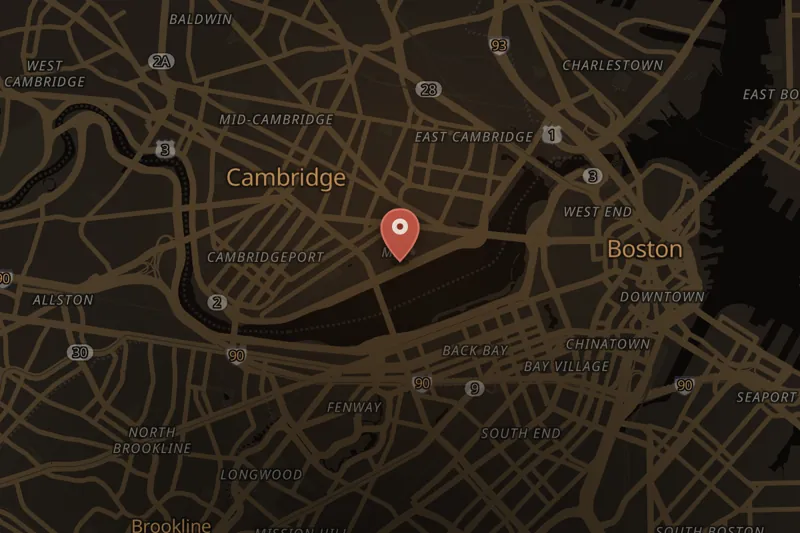
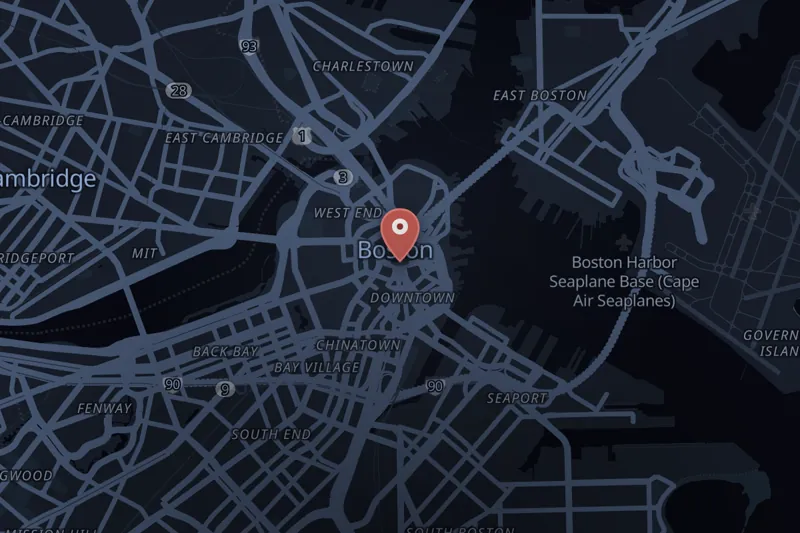
King Street (now State Street), Boston, Province of Massachusetts BayView on the map

The short answer

Boston Massacre in brief

On March 5, 1770, British soldiers guarding the Boston Custom House fired into a crowd of colonists on King Street, killing three instantly and fatally wounding two others, in a confrontation that inflamed tensions leading to the American Revolution.

Key facts

Year
1770
Place
King Street (now State Street), Boston, Province of Massachusetts Bay
Status
SOLVEDSolved
Victims
James Caldwell, Samuel Gray, Patrick Carr, Samuel Maverick and Crispus Attucks
Outcome
Convicted: Hugh Montgomery and Matthew Kilroy; Acquitted: William McCauley, William Warren, William Wemms, Thomas Preston, James Hartigan and John Carroll

The coverage index

Where to watch & listen

No one's coverage is attached to this file yet.

Know great coverage of this case?

A documentary, a podcast episode, a careful long-form video. Suggest it and an editor will review it before it appears here.

Suggest coverage for Boston Massacre

The case file

What happened

On the evening of March 5, 1770, a confrontation on King Street in Boston, in the Province of Massachusetts Bay, resulted in British soldiers firing into a crowd of colonists. The incident began when a wigmaker's apprentice, Edward Garrick, verbally confronted a British officer and was struck by sentry Private Hugh White. A crowd gathered around White, growing to more than 50 people led by Crispus Attucks, a mixed-race former slave, who threw objects and challenged the sentry to fire. Captain Thomas Preston dispatched additional soldiers to relieve White, and the group, numbering eight soldiers plus Preston, faced a crowd estimated between 300 and 400 people who taunted them and threw snowballs and other objects.

Private Hugh Montgomery was struck by a thrown object, dropped his musket, then recovered it and fired into the crowd without an order from Preston. Other soldiers then fired a ragged series of shots. Rope maker Samuel Gray, mariner James Caldwell, and Crispus Attucks were killed instantly. Samuel Maverick, a 17-year-old apprentice, died the next morning from a ricocheting musket ball. Patrick Carr, an Irish immigrant shot in the abdomen, died two weeks later on March 14. Apprentice Christopher Monk was seriously wounded and, according to reports, died in 1780 purportedly due to injuries sustained that night.

Acting Governor Thomas Hutchinson helped disperse the crowd by promising an inquiry. Preston and eight soldiers were arrested by the next morning. Amid continued unrest, British troops were withdrawn to Castle Island. On March 27, 1770, the eight soldiers, Captain Preston, and four civilians were indicted for murder. The civilians, who were in the Custom House, were alleged to have fired shots.

Captain Preston was tried separately in late October 1770 and was acquitted after the jury concluded he had not ordered his men to fire. The trial of the eight soldiers opened on November 27, 1770, with defense attorney John Adams arguing the soldiers had acted in self-defense against a threatening crowd. Patrick Carr's deathbed statement, describing the crowd's provocations, was admitted as testimony and reportedly influenced the outcome. The jury acquitted six of the soldiers; Private Hugh Montgomery and Private Matthew Kilroy were convicted of manslaughter. Under the benefit of clergy provision then in law, their sentences were reduced from death to branding on the thumb. The four civilians were tried separately on December 13, 1770, and all were acquitted; a servant who had testified against them was later convicted of perjury.

The event was widely publicized through pamphlets and Paul Revere's engraving of the scene, which circulated throughout the Thirteen Colonies and is credited with heightening anti-British sentiment in the years preceding the American Revolution.

12 dated entries · 1768–1780

Timeline

  1. First British Army regiments begin arriving in Boston to enforce Crown policy.

  2. Christopher Seider, approximately 11 years old, is killed by a customs employee, heightening tensions in Boston.

  3. British soldiers fire into a crowd on King Street; three colonists killed instantly, others wounded.

  4. Captain Thomas Preston and eight soldiers are arrested.

  5. First four victims are buried with ceremony at Granary Burying Ground.

  6. Patrick Carr, the fifth victim, dies of his wound.

  7. Patrick Carr is buried alongside the other victims.

  8. Eight soldiers, Captain Preston, and four civilians are indicted for murder.

  9. Captain Thomas Preston is tried separately and acquitted.

  10. Trial of the eight soldiers begins.

  11. Four civilian defendants are tried and acquitted.

  12. Christopher Monk, wounded in the 1770 shooting, dies, purportedly from his injuries.

13 named in this file

People

Victims first. Every legal label is set from public records and court outcomes, not from the prose.

  • Crispus Attucks

    VICTIM

    Mixed-race former slave killed instantly by gunfire on March 5, 1770.[3]

  • James Caldwell

    VICTIM

    Mariner killed instantly by gunfire on March 5, 1770.[3]

  • Patrick Carr

    VICTIM

    Irish immigrant shot in the abdomen; died two weeks later on March 14, 1770.[3]

  • Samuel Gray

    VICTIM

    Rope maker killed instantly by gunfire on March 5, 1770.[3]

  • Samuel Maverick

    VICTIM

    17-year-old apprentice ivory turner, struck by a ricocheting musket ball; died the following morning.[3]

  • Hugh Montgomery

    CONVICTED

    Private convicted of manslaughter; sentenced to branding on the thumb.[3]

  • Matthew Kilroy

    CONVICTED

    Private convicted of manslaughter; sentenced to branding on the thumb.[3]

  • James Hartigan

    ACQUITTED

    Private charged with murder alongside the other soldiers; acquitted.[3]

  • John Carroll

    ACQUITTED

    Private charged with murder alongside the other soldiers; acquitted.[3]

  • Thomas Preston

    ACQUITTED

    Captain who commanded the soldiers; tried separately for murder and acquitted in October 1770.[3]

  • William McCauley

    ACQUITTED

    Private charged with murder alongside the other soldiers; acquitted.[3]

  • William Warren

    ACQUITTED

    Private charged with murder alongside the other soldiers; acquitted.[3]

  • William Wemms

    ACQUITTED

    Corporal charged with murder alongside the other soldiers; acquitted.[3]

From the record

Quick answers

Who were convicted?
Hugh Montgomery: Private convicted of manslaughter; sentenced to branding on the thumb. Matthew Kilroy: Private convicted of manslaughter; sentenced to branding on the thumb.

3 cited

Sources

Coverage is not a source: every fact in this file rests on the records below.

  • 2 Official / agency
  • 1 Encyclopedic
  1. Contemporaneous coverage — nps.gov

    Official / agencynps.govAccessed Jul 10, 2026

  2. Contemporaneous coverage — founders.archives.gov

    Official / agencyfounders.archives.govAccessed Jul 10, 2026

  3. Boston Massacre

    EncyclopedicWikipediaAccessed Jul 10, 2026

Trust

Record history

First published
Jul 11, 2026
Corrections
None

Are you family of someone named in this file? Corrections and removal requests from victims’ families are prioritized.