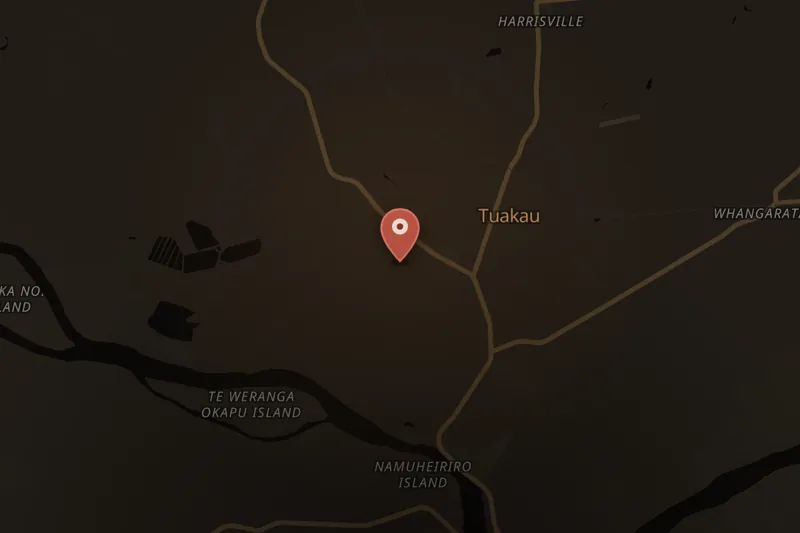
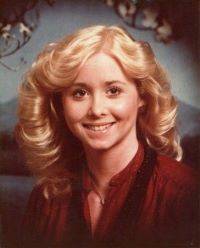
Harvey Crewe (born 1941) and Jeannette Crewe (née Demler, born 1940) were a farming couple living in Pukekawa, on New Zealand's North Island, next to Jeannette's parents' farm. Jeannette had inherited a significant share of the extended Demler family farm, a situation that reportedly caused tension within the family, including at a dinner the night before the couple disappeared. On 17 June 1970, the day after that dinner, the Crewes were seen at a local cattle sale and later on their property; contact with them ceased that evening. Their infant daughter, Rochelle, was found alone and in a distressed state in the farmhouse five days later, on 22 June, when Jeannette's father, Len Demler, entered the house after being alerted by others trying to reach the couple. Blood and brain tissue were found in the house, but no bodies. Jeannette's body was recovered from the Waikato River on 16 August 1970, and Harvey's body was recovered five kilometres further downstream on 16 September 1970, weighted with a vehicle axle. Both had been shot in the head with a .22 calibre rifle; Jeannette had also suffered a broken nose before death.
Police investigated Len Demler as an initial suspect due to his unusual conduct after finding the scene, but found no physical evidence linking him to the killings and no clear motive. Attention turned to Arthur Allan Thomas, a Pukekawa farmer who had known Jeannette since childhood and had sent her gifts years earlier. Investigators seized Thomas's .22 rifle, and a spent cartridge case matching markings from that rifle was later found buried near the Crewe farmhouse's kitchen window. Thomas was arrested in November 1970 and, at his first trial in early 1971, was convicted and sentenced to life imprisonment; the prosecution argued a motive of romantic obsession. A retrial in 1973, following campaigning by his wife Vivien and the Arthur Thomas Retrial Committee and new forensic evidence about corrosion on the cartridge case, again ended in conviction.
Journalists Pat Booth and later Terry Bell publicized allegations of police and prosecutorial misconduct, including efforts to select a pro-police jury and improper contact between jurors and police during the second trial. Following further campaigning and a dossier presented to Prime Minister Robert Muldoon, an inquiry was ordered, and Thomas was released and pardoned in December 1979 after serving nine years, receiving compensation of NZ$950,000.
A Royal Commission of Inquiry, reporting in November 1980, found that police had fabricated the cartridge case evidence and planted it at the crime scene, and that the prosecution's case had lacked a proven motive. The Commission implicated Detective Inspector Bruce Hutton and Detective Sergeant Lenrick Johnston in what it called an "unspeakable outrage," though the Solicitor-General declined to prosecute either officer. Both men maintained their innocence; Hutton did so until his death in 2013.
In 2010, Rochelle Crewe requested police reopen the case; a subsequent review, released in 2014, concluded existing evidence was insufficient for any new prosecution, ruled out Demler as the killer, and found no basis for an alleged "mystery woman" theory, while noting the Thomas rifle had not been eliminated from the inquiry. As of the most recent reporting, the murders of Harvey and Jeannette Crewe remain unsolved.