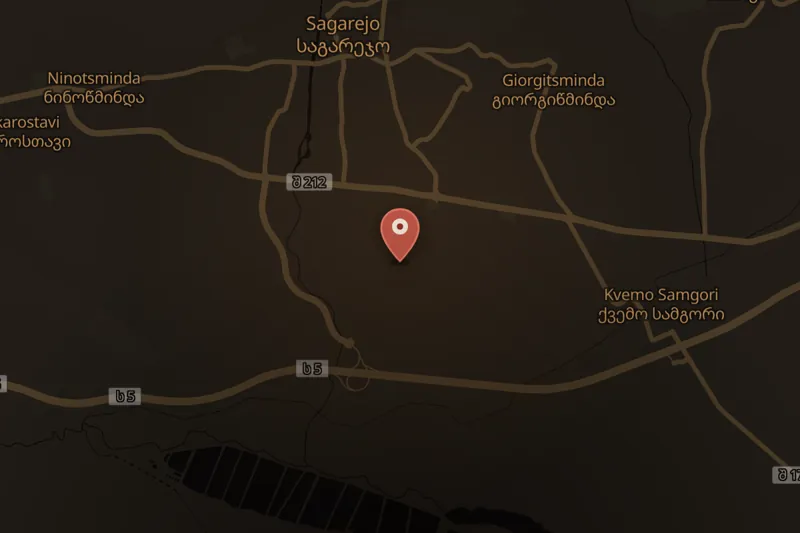
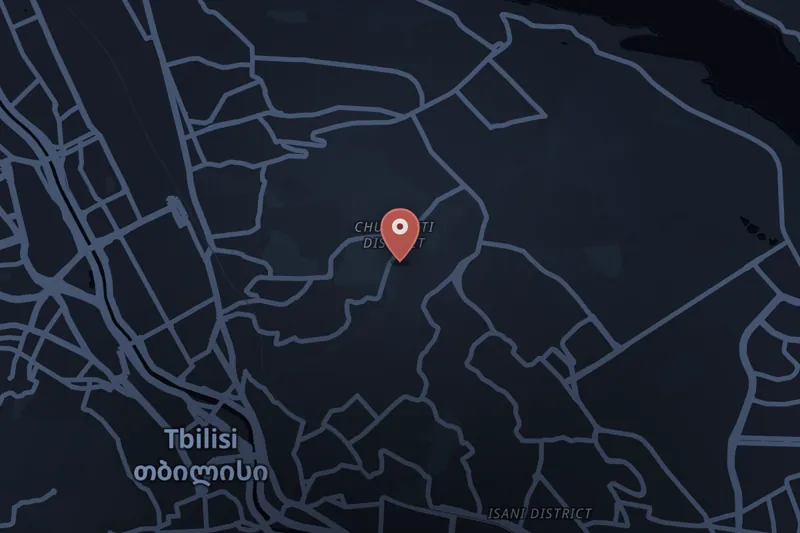
Sandro Girgvliani, the 28-year-old head of the United Georgian Bank's Foreign Department, was found dead on January 28, 2006, on the outskirts of Tbilisi, showing multiple injuries consistent with physical abuse. According to an Imedi Television investigation broadcast on February 12, 2006, the events leading to his death traced back to Tbilisi's Sharden Bar, where Interior Ministry Inspector General Vasil Sanodze was reportedly holding a birthday party attended by senior ministry officials and Tako Salakaia, wife of then-Interior Minister Vano Merabishvili. Girgvliani's girlfriend, Tamar Maisuradze, was also present. Witnesses said Girgvliani had an argument with Maisuradze at the bar before he and his friend, Levan Bukhaidze, left and were forced into a vehicle by unknown men and taken to Okrokana on Tbilisi's outskirts. Bukhaidze said he escaped, but Girgvliani was killed; his body was found near a cemetery the next morning.
The case triggered sustained public and political controversy. Girgvliani's mother, Irina Enukidze, publicly accused Interior Ministry officials of masterminding the killing and later said she had been offered money to stay silent. Opposition MPs, including Koba Davitashvili and Zviad Dzidziguri, alleged that ministry employee Oleg Melnikov was involved, a claim Bukhaidze partially supported in testimony, though he failed to identify Melnikov in a police lineup. On March 6, 2006, Interior Minister Vano Merabishvili announced the arrest of four officers — Gia Alania, Avtandil Aptsiauri, Aleksandre Gachava, and Mikheil Bibiluri — on suspicion of killing Girgvliani. Ministry officials Data Akhalaia and Melnikov temporarily resigned pending investigation, while officials Guram Donadze and Vasil Sanodze faced separate scrutiny.
The case fueled protests, including a mass motorist horn-honking demonstration on March 16, 2006, and a rally outside the President's Office demanding Merabishvili's resignation. Ombudsman Sozar Subari publicly criticized the investigation, and U.S. Ambassador John Tefft said Washington expected no cover-up. The Tbilisi City Court began hearings on June 27, 2006. Testimony from witnesses, including Maisuradze and Bukhaidze, raised questions about the official account that the killing resulted from a spontaneous quarrel. On July 6, 2006, Judge Giorgi Chemia sentenced Gia Alania to eight years' imprisonment and the three other officers — Aptsiauri, Gachava (referred to in the outcome section as "Kachava"), and Bibiluri — to seven years each, finding them guilty of inflicting injuries that caused Girgvliani's death. The verdict did not name a motive or address allegations that the killing was ordered by higher officials, and it was criticized by opposition figures, journalists, and the victim's family lawyer as an incomplete accounting of events.
The case became entangled with broader allegations against the Interior Ministry, including questions raised about the killing of former policeman Gia Telia in February 2006. Separately, on January 5, 2018, the Tbilisi City Court sentenced former President Mikheil Saakashvili in absentia to three years in prison on an abuse-of-power charge; Saakashvili has stated that all such charges against him are politically motivated.

 Credit: Smerus at English WikipediaPublic domainSourceSOLVEDListen