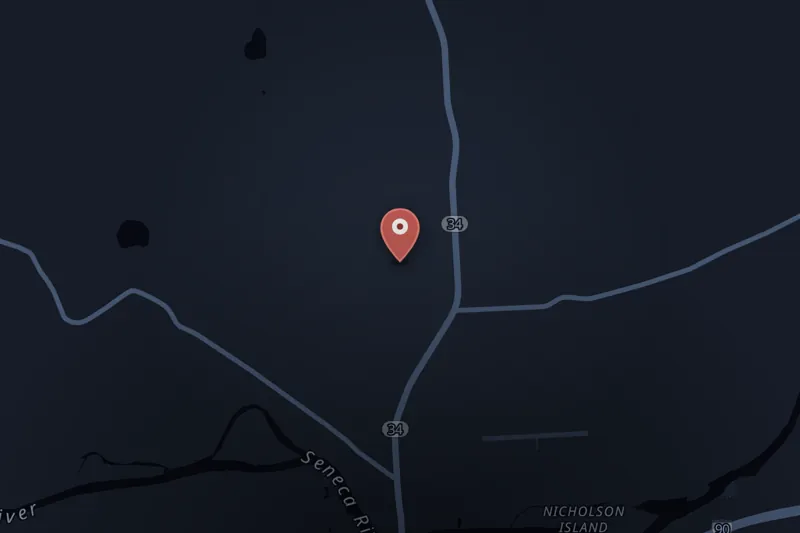
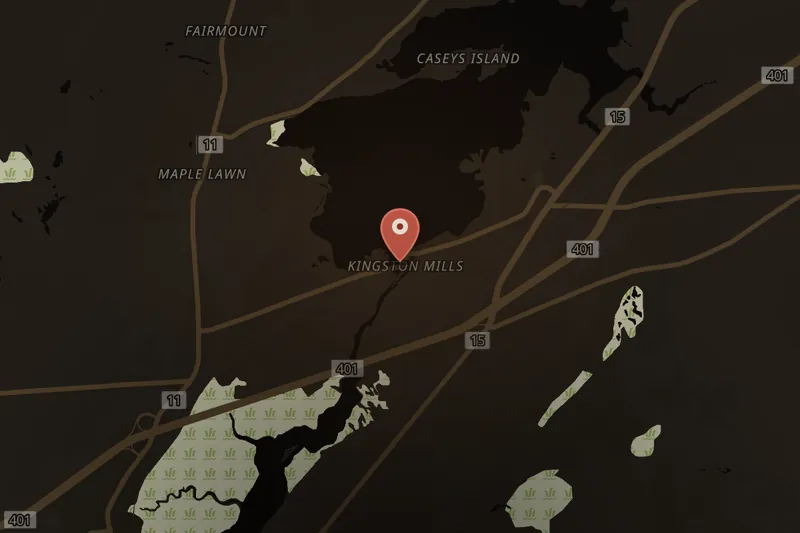
On June 30, 2009, a worker at the Kingston Mills locks on the Rideau Canal in Kingston, Ontario, discovered a black Nissan Sentra with a broken taillight submerged in the water. Divers recovered four female bodies from inside the vehicle: sisters Zainab Shafia, 19, Sahar Shafia, 17, and Geeti Shafia, 13, along with Rona Muhammad Omar, 52, who was the first wife of the girls' father, Mohammad Shafia, in a polygamous household. The family, of Afghan origin, had reported the four as missing. Mohammad Shafia reported the disappearance to Kingston Police the same day the bodies were found.
The family had left Afghanistan in 1992, lived briefly in Australia, then spent over a decade in the United Arab Emirates, where Mohammad Shafia became a multimillionaire through the used-car and real-estate businesses. In 2007 the family immigrated to Canada, settling in Saint-Léonard, Montreal, under a Quebec investor immigration program. Five months later, Shafia sponsored Rona's immigration, describing her to authorities as a cousin employed as a cook and housekeeper. According to family members interviewed in press accounts, Rona was in an unhappy marriage and feared for her life in the days before her death; the family was also reported to have withheld her identity documents. A family member also alleged that Zainab's relationship with a Pakistani boy had angered her father, who was said to have made threats against her.
Investigators initially treated the deaths as a "sudden death investigation," but became suspicious after learning that Hamed Shafia, the eldest son, had separately reported a collision involving the family's Lexus SUV in an empty Montreal parking lot the same morning the bodies were found. Comparing damage to the Lexus and the submerged Nissan, police theorized the Lexus had been used to push the Nissan into the canal lock. On July 23, 2009, Mohammad Shafia, his second wife Tooba Mohammad Yahya, and their son Hamed were arrested and charged with four counts of first-degree murder and conspiracy to commit murder.
The trial began with jury selection on October 11, 2011, and formal proceedings on October 20, 2011, at the Frontenac County Court House before Ontario Superior Court Judge Robert Maranger. It was reportedly the first Canadian trial conducted in four languages: English, French, Dari, and Spanish. On January 29, 2012, after 15 hours of deliberation, the jury found all three defendants guilty on all four counts of first-degree murder, a verdict that under Canadian law carries an automatic sentence of life imprisonment without parole eligibility for 25 years.
The case drew extensive media coverage and public debate over whether the killings should be characterized as "honour killings" or as a form of domestic violence more broadly, with commentators, Muslim community organizations, and the Afghan Embassy in Ottawa all publicly condemning the murders.

 SOLVEDListen