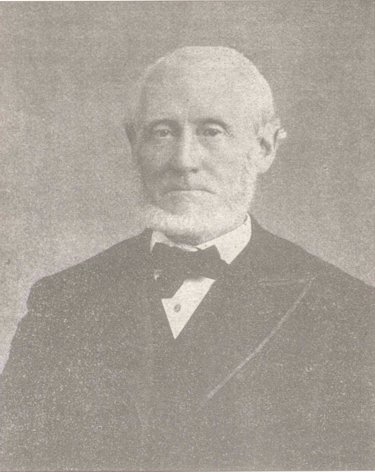
On October 8, 1892, in the community of Newbliss — now part of Elizabethtown-Kitley Township in eastern Ontario — neighbours noticed smoke coming from the farmhouse of John Luckey and his second wife, Martha Luckey, shortly after two o'clock in the afternoon. When neighbours arrived, they found the interior of the house completely engulfed in flames. Attempts to enter and rescue the family were hampered because every window and door was found secured shut. When entry was finally made, the bodies of John, Martha, and their daughter Mary Ann "Minnie" Luckey were discovered, burned to the point of being unrecognizable. The house subsequently burned to the ground.
Neighbours immediately suspected murder followed by arson, citing the locked windows, the character of the fire, and the discovery of two axes at the scene. According to accounts from residents published in a Smiths Falls newspaper dated October 13, 1892, a strange man had been seen lurking around the farmhouse. Because Martha had been home alone, neighbours believed she was killed first, followed by John, who had been seen running errands shortly before the fire started. It was assumed Mary Ann was killed last, as her teeth were found in the driveway, suggesting a struggle and a possible attempt to flee.
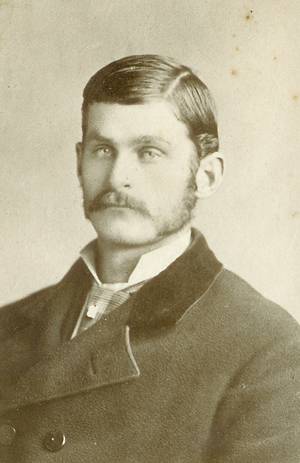
Charles Sanford Luckey, John's son, had recently been released from the Central Prison in Toronto after serving a year for larceny and was known to be on poor terms with his father. He became a suspect based on this history and was later found staying in a hotel in Smiths Falls under an alias, a short distance from Newbliss. When questioned, blood was found on his clothing, and he admitted to having been in Newbliss earlier that day. The police chief at the time also noted that Luckey appeared apathetic regarding the murders of his family.
Charles Luckey was found guilty of the murders and sentenced to death. On December 14, 1893, he was hanged in Brockville, Ontario. Accounts of his execution describe his last meal as a bun and tea, after which he read from the Bible and recited hymns before being taken to the scaffold.
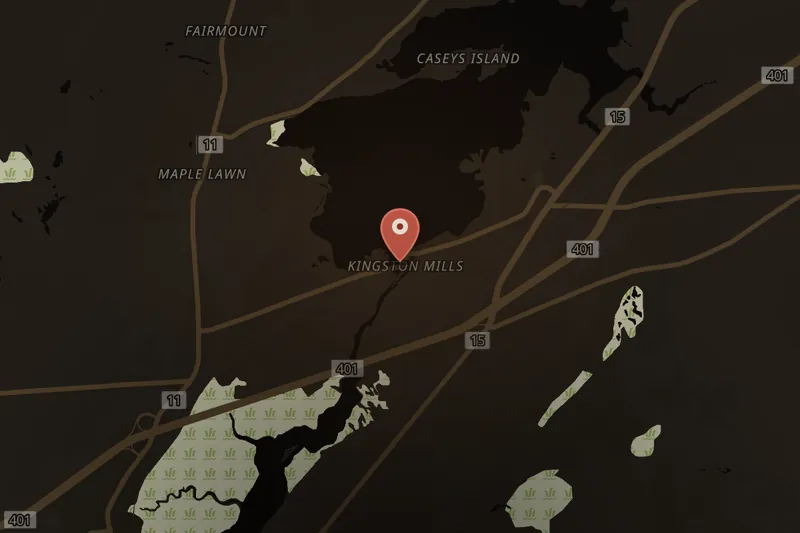
This case is documented within the broader history of Elizabethtown-Kitley Township, formed in 2001 through the amalgamation of the former Township of Elizabethtown and Township of Kitley, located in the United Counties of Leeds and Grenville along the St. Lawrence River in eastern Ontario, Canada.


 SOLVEDListen