Start here
CASE UPDATES: Somerton Man IDENTIFIED, Emmett Till Arrest, Does Identified & More!

Georgia Marie's 50-minute breakdown, the fullest single telling on file.
Watch on YouTubeCold case · 1940s
Also known as Tamám Shud case · Somerton Man
 SomertonManStoneCredit: Bletchley at en.wikipediaPublic domainSource
The short answer
An unidentified man was found dead on an Adelaide beach in 1948, in a case that remains officially unresolved despite a 2022 genetic-genealogy identification claim.
CASE UPDATES: Somerton Man IDENTIFIED, Emmett Till Arrest, Does Identified & More!Georgia Marie · 50 min5 pieces from 2 creators: ranked, with duplicates removed and short clips set aside.
Start here
Georgia Marie's 50-minute breakdown, the fullest single telling on file.
Watch on YouTubeThe mystery of the Somerton Man | 60 Minutes Australia
 60 Minutes AustraliaVideo · YouTube · 15 min · 2026
Is this the key to solving the decades-old mystery of the Somerton Man? | 60 Minutes Australia
60 Minutes AustraliaVideo · YouTube · 15 min · 2021EXTENDED INTERVIEW | Roma & Rachel Egan discussing the reasons they want the Somerton man exhumed.
60 Minutes AustraliaVideo · YouTube · 4 min · 2013EXTRA MINUTES: Reporter Charles Wooley discussing the mystery of the Somerton Man.
60 Minutes AustraliaVideo · YouTube · 2 min · 2013Titles and descriptions are the creators’ own and may not reflect current legal status. The sourced facts are in the file below. Players load only when you press play. Suggest coverage we’re missing.
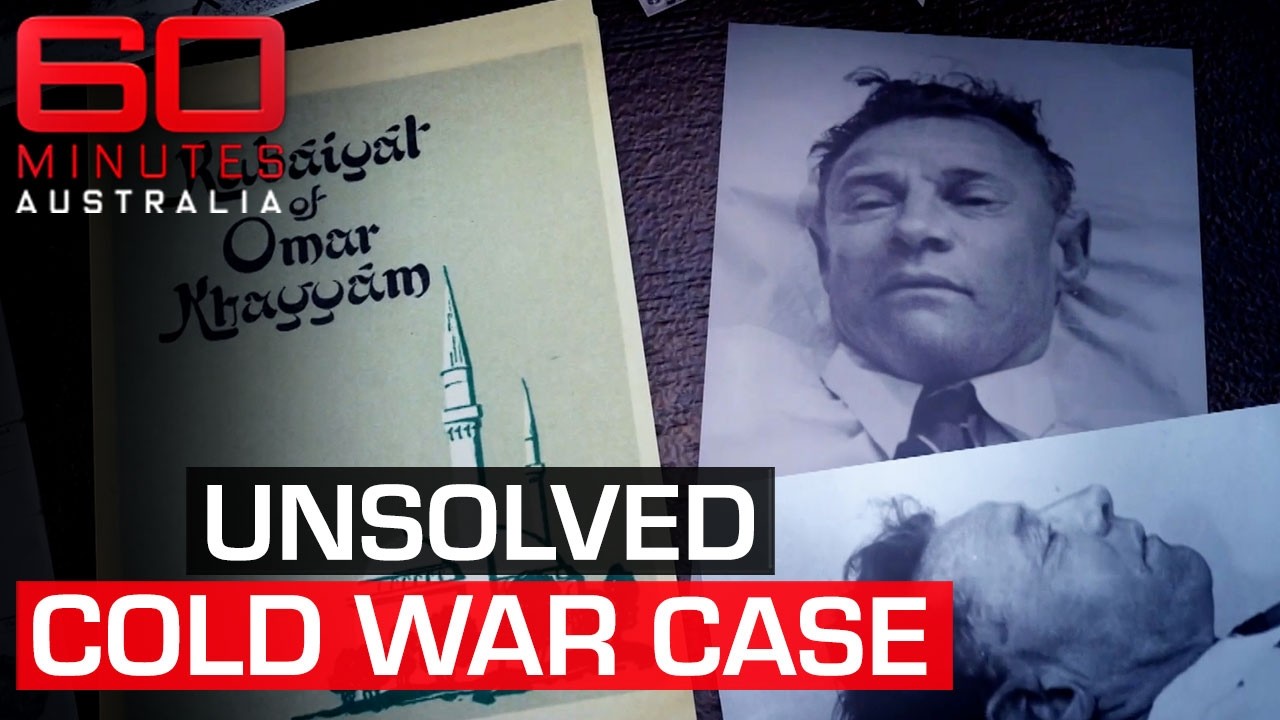
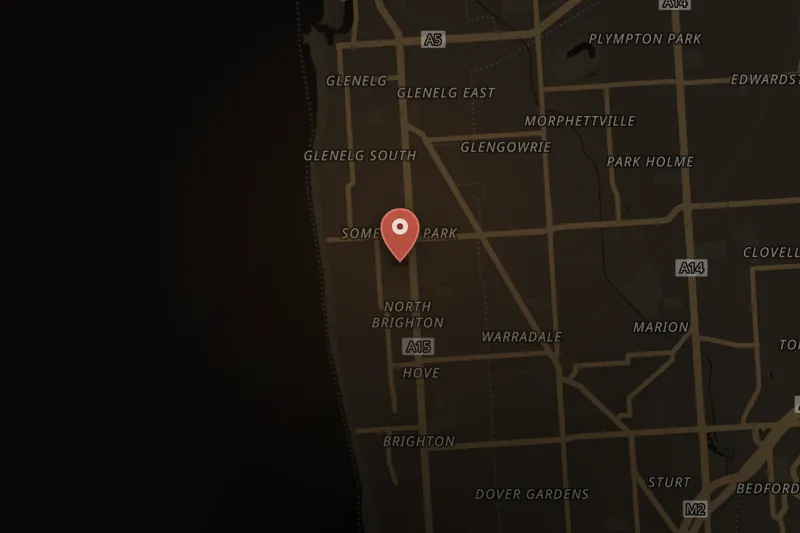
On 1 December 1948, the body of an unidentified man was found on the beach at Somerton Park, a seaside suburb of Adelaide, South Australia, near Glenelg. A couple discovered him early that morning lying against the seawall, his legs extended and feet crossed, as though he had died while sleeping. He was estimated to be aged about 40 to 45, roughly 180 cm tall, and in good physical condition. He carried no wallet, no hat, and no identification, and every label had been removed from his clothing. His fingerprints and dental records could not be matched to any known person, and the case became known as one of Australia's most enduring mysteries.
Police recovered a small collection of ordinary items from his pockets, including train and bus tickets, chewing gum, cigarettes, and a comb. In mid-January 1949, staff at the Adelaide railway station found a brown suitcase, believed to be his, that had been checked into the station cloakroom on 30 November 1948. Its contents also had their labels removed, though the name 'Keane' remained on a few items; no missing person by that name could be traced.
An autopsy indicated the man had not died of natural causes. Pathologists suspected poisoning but could not detect any specific substance, and cardiac glycosides such as digitalis were later raised as possibilities. A coronial inquest was unable to determine the man's identity, the cause of his death, or whether he had died at the beach or elsewhere.
A distinctive clue emerged when a rolled scrap of paper printed with the Persian phrase 'Tamám Shud' — meaning 'it is finished' — was found sewn into a fob pocket of his trousers. The phrase came from the final page of a copy of the Rubáiyát of Omar Khayyám. After a public appeal, a copy of the book with the matching page torn out was handed to police. Inside were faint indentations forming several lines of capital letters that resembled a code; despite analysis by cryptographers over the following decades, it was never conclusively deciphered.
The case unfolded during early Cold War tensions and attracted persistent speculation about espionage, though no such connection was ever established. The unidentified man was buried in Adelaide in 1949.
Interest revived in later decades. In May 2021, the body was exhumed for DNA analysis. In July 2022, a University of Adelaide research team, working with a forensic genealogist, announced that genetic genealogy applied to DNA from hair in the man's plaster death mask had tentatively identified him as Carl 'Charles' Webb, an electrical engineer and instrument maker born in 1905. South Australia Police and Forensic Science South Australia did not verify the finding, and the man's identity and cause of death remain officially undetermined.
The body of an unidentified man is found on Somerton Park beach near Adelaide, South Australia.
The body is embalmed after police are unable to establish an identity.
A brown suitcase believed to belong to the man is discovered in the Adelaide railway station cloakroom.
A coronial inquest is unable to determine the man's identity or cause of death.
The unidentified man is buried in Adelaide's West Terrace Cemetery.
The body is exhumed to attempt DNA recovery and analysis.
Researchers announce a tentative genetic-genealogy identification of the man as Carl 'Charles' Webb; police do not verify the finding.
Victims first. Every legal label is set from public records and court outcomes, not from the prose.
The unidentified 'Somerton Man' found dead on Somerton Park beach on 1 December 1948; in 2022, genetic genealogy tentatively identified him as Carl 'Charles' Webb, an electrical engineer and instrument maker born in 1905 — a finding not officially verified by South Australia Police.[4]
Detective Sergeant who led the initial South Australia Police investigation into the Somerton Man case.[4]
Coverage is not a source: every fact in this file rests on the records below.
Jul 13, 2026Source review
Source article revised on Wikipedia — flagged for re-verification
SourceAre you family of someone named in this file? Corrections and removal requests from victims’ families are prioritized.
 Credit: Adam.J.W.C.CC BY-SA 2.5SourceUNSOLVEDListen
Glenelg Beach, Adelaide, South Australia · 1960s
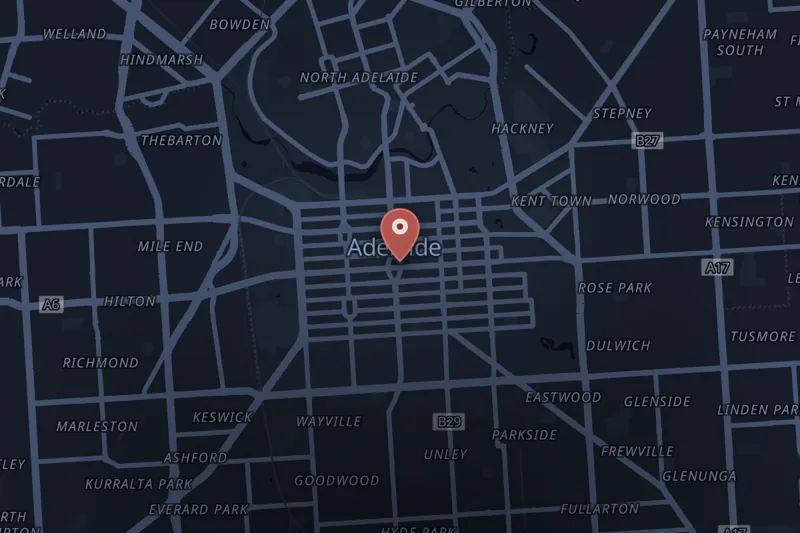
Jane, Arnna and Grant Beaumont vanished from Glenelg Beach near Adelaide on 26 January 1966 after being seen in the company of an unidentified man in his mid-thirties. Despite one of Australia's largest police investigations, the children were never found and the case remains unsolved.
 COLDListen
Adelaide, South Australia · 1970s
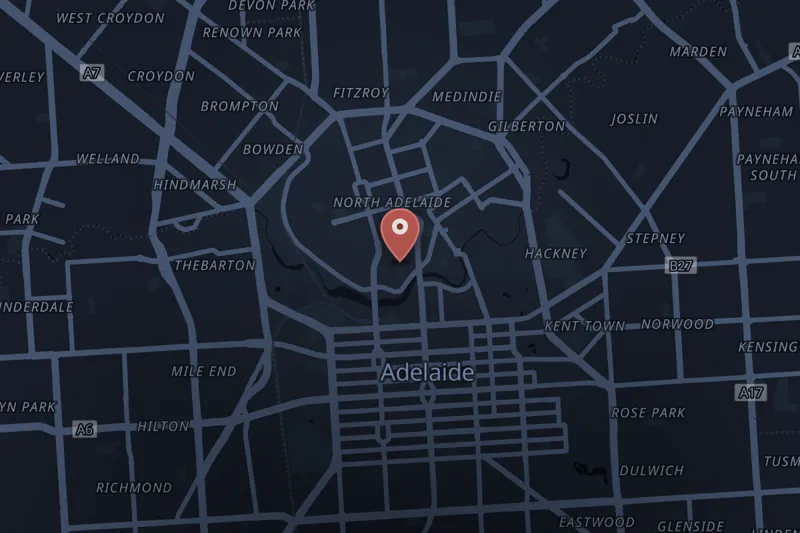
A series of five torture-murders of teenage boys and young men in Adelaide, South Australia, during the 1970s and 1980s, attributed to a loosely connected group later dubbed "The Family." Only Bevan Spencer von Einem was ever convicted, for the 1983 murder of 15-year-old Richard Kelvin; the other four murders remain unsolved.
 UNSOLVEDListen
Adelaide Oval, Adelaide, South Australia · 1970s
Two young girls, Joanne Ratcliffe and Kirste Gordon, vanished after leaving to use the restroom together during an Australian rules football match at Adelaide Oval on 25 August 1973. Despite witness sightings and a major investigation, they were never found, and the case remains unsolved.
 Credit: www.derwan.com/images/view/Daniel_Morcombe.jpgEditorial useSourceSOLVEDListen
Kiel Mountain Road overpass, Woombye, Sunshine Coast, Queensland, Australia · 2000s
Thirteen-year-old Daniel Morcombe was abducted from a bus stop on Queensland's Sunshine Coast on 7 December 2003. Nearly eight years later, Brett Peter Cowan was charged with his murder and led police to his remains; in 2014 Cowan was convicted of murder and sentenced to life imprisonment.
 Credit: ABC News (Australia), via English WikipediaEditorial useSourceSOLVEDListen
Logan City, Queensland, Australia · 2015
Tiahleigh Palmer, a 12-year-old girl from Logan City, Queensland, was murdered by her foster father in October 2015; he pleaded guilty in 2018 and was sentenced to life imprisonment.
 SOLVEDListen
Leongatha, Victoria, Australia · 2023
Erin Patterson murdered three relatives and seriously injured a fourth by serving beef Wellingtons laced with death cap mushrooms at a family lunch in Leongatha, Victoria, in July 2023. She was convicted on all charges in July 2025 and sentenced to life imprisonment.
 Credit: Family handout via Suffolk NewsEditorial useSourceCOLDListen
Bury St Edmunds, Suffolk, England · 2016
Royal Air Force gunner Corrie McKeague disappeared after a night out in Bury St Edmunds in September 2016, and a 2022 inquest concluded he died after climbing into a waste bin that was tipped into a bin lorry, though his remains were never found.
El Pianista trail, near Boquete, Panama · 2014
Two Dutch students, Kris Kremers and Lisanne Froon, disappeared while hiking a jungle trail in Panama in April 2014, and their remains were recovered along a riverbank months later, but no official cause of death has ever been established.
 Credit: Argonne National Laboratory / Wikimedia Commons, c.1922–23Public domainSourceSOLVEDListen
Orange, New Jersey · 1917
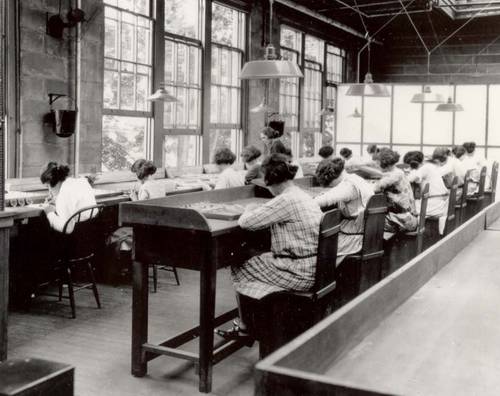
Beginning in 1917, factory workers who came to be known as the Radium Girls were poisoned after being instructed to shape radium-paint brushes with their lips; the resulting illnesses, deaths, and lawsuits against the United States Radium Corporation and the Radium Dial Company reshaped U.S. occupational health and labor law.