Casepin
Back to cases

Active case

St. Vrain massacre

UNSOLVED1832Kellogg's Grove, near present-day Pearl City, Illinois3 SOURCESUPDATED JUL 2026
Illustrative

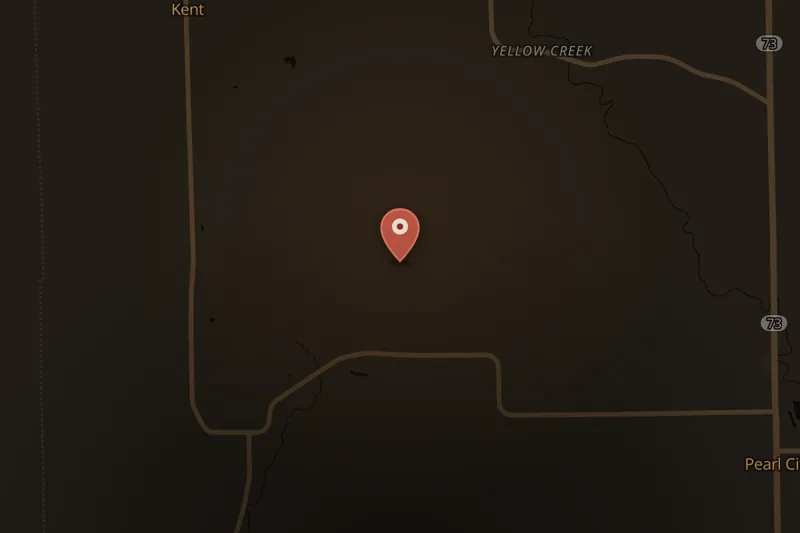
The St. Vrain massacre took place on May 24, 1832, near present-day Pearl City, Illinois, in an area known as Kellogg's Grove, during the Black Hawk War. The dead included United States Indian Agent Felix St. Vrain, John Fowler, William Hale, and Aaron Hawley. Some accounts reported that St. Vrain's body was mutilated.

St. Vrain and his party were traveling from Dixon's Ferry, Illinois, to Galena, Illinois, after General Henry Atkinson ordered St. Vrain to deliver dispatches to Fort Armstrong. The group had originally been purchasing cattle in Sangamon County when news of conflict with Black Hawk's band reached them, prompting their return north. Along the way, at Buffalo Grove, they discovered the body of William Durley, a victim of the earlier Buffalo Grove massacre, and returned to Dixon's Ferry to report the find before setting out again with St. Vrain the next day.

On the morning of May 24, after stopping for breakfast about three miles from their overnight camp, the men were approached by roughly 30 warriors. In the ensuing attack, St. Vrain, Fowler, Hale, and Hawley were killed, while Thomas Kenney, Aquilla Floyd, and Alexander Higginbotham escaped and reached Galena three days later. An account attributed to Gen. George Wallace Jones, St. Vrain's brother-in-law who identified his body, described the warriors scalping the dead and further mutilating St. Vrain's remains; at least one source indicated the mutilation began before he died.

The attackers were not part of Black Hawk's main band but were reportedly en route to join it. Contemporary and later accounts differ on their identity: older histories, including works by Frank Stevens (1903) and Nehemiah Matson (1887), described the attackers as Sac and associated with a chief called "Little Bear," who was said to have adopted St. Vrain as a "blood brother." Perry A. Armstrong's 1887 history disputed this, denying that Little Bear existed as a Sauk or Fox chief. Modern sources instead identify the attackers as Ho-Chunk warriors acting without the sanction of their nation, most of whom otherwise sided with the United States during the war. A May 30, 1832 New Galenian article speculated the attackers belonged to Keokuk's band, though Keokuk's band was not near the scene and had volunteered to assist settlers against Black Hawk.

Following the massacre, a detachment led by Colonel Henry Dodge recovered and buried the remains of St. Vrain, Hale, and Fowler; Hawley's body was never recovered. Public and military records indicate that Aquilla Floyd, long listed among the dead on a monument erected in 1886, actually survived, was discharged from the militia in August 1832, and died of old age in Kentucky in November 1879.

Key facts

Victims
Aaron Hawley, Felix St. Vrain, John Fowler, William Hale
Date
1832
Location
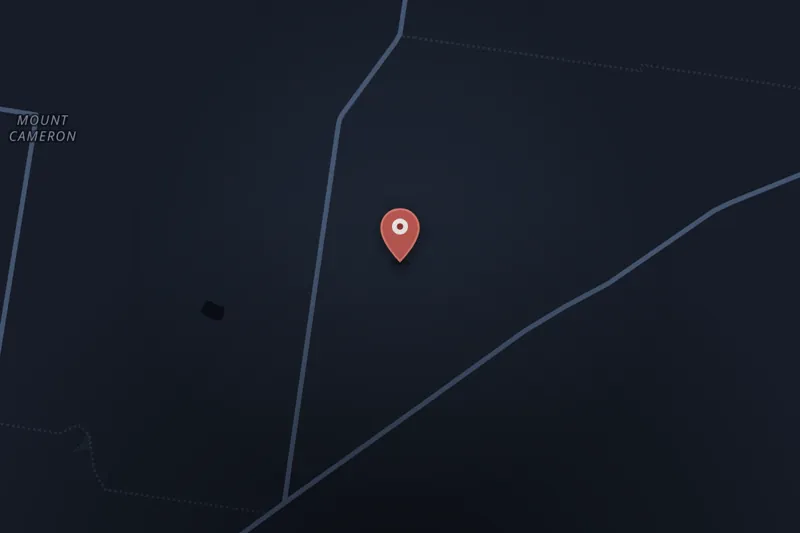
Kellogg's Grove, near present-day Pearl City, Illinois
Case status
unsolved

Case timeline

  1. 1832-05-22

    Aaron Hawley, John Fowler, Thomas Kenney, and Alexander Higginbotham left Dixon's Ferry, Illinois, for Galena, discovering the body of William Durley at Buffalo Grove and returning to Dixon's Ferry to report it.

  2. 1832-05-23

    General Henry Atkinson ordered Felix St. Vrain to travel with the Hawley party to deliver dispatches to Fort Armstrong; the group traveled north, interred Durley's remains at Buffalo Grove, and camped about ten miles from Fort Hamilton.

  3. 1832-05-24

    The group was attacked near Kellogg's Grove by about 30 warriors; Felix St. Vrain, John Fowler, William Hale, and Aaron Hawley were killed, while Thomas Kenney, Aquilla Floyd, and Alexander Higginbotham escaped.

  4. 1832-05-26

    According to the New Galenian, Floyd, Higginbotham, and Kenney arrived safely in Galena, Illinois, at 7 a.m.

  5. 1832-05-30

    The New Galenian published an article on the massacre, speculating the attackers belonged to Keokuk's band.

  6. 1832-08-20

    Aquilla Floyd was discharged from the militia and returned to his home in Warren County, Kentucky.

  7. 1879-11

    Aquilla Floyd died of old age in Edmonson County, Kentucky.

  8. 1886

    A monument was erected at Kellogg's Grove listing Floyd among the massacre victims, an error later identified through public and military records.

Best coverage

No approved coverage links are attached yet.

People

  • Aaron Hawley

    VICTIM

    Companion of Felix St. Vrain, killed in the attack; his body was never recovered.

  • Felix St. Vrain

    VICTIM

    United States Indian Agent to the Sauk and Fox tribes, killed in the attack on May 24, 1832.

  • John Fowler

    VICTIM

    Companion of Felix St. Vrain, killed in the attack.

  • William Hale

    VICTIM

    Companion of Felix St. Vrain, killed in the attack.

Roles reflect public records and court outcomes at the time of writing — supporting citations are on file under Sources.

Places

Common questions

What happened to the victim?
On May 24, 1832, near Kellogg's Grove in present-day Pearl City, Illinois, U.S. Indian Agent Felix St. Vrain and three companions were killed by a group of Native American warriors during the Black Hawk War, in an attack most likely carried out by Ho-Chunk warriors acting without their nation's sanction.
Where did the massacre happen?
Kellogg's Grove, near present-day Pearl City, Illinois.
What is the current status of the case?
Status: unsolved.

Sources

  1. St. Vrain massacrewikipedia · Wikipedia · 2026-07-07
  2. Contemporaneous coverage — wisconsinhistory.orgnews · wisconsinhistory.org · 2026-07-07
  3. Contemporaneous coverage — content.wisconsinhistory.orgnews · content.wisconsinhistory.org · 2026-07-07