Background
In February 1975, the Provisional IRA and the British government entered a truce and restarted negotiations, with the IRA agreeing to halt attacks on security forces. During this truce, sectarian killings rose. Loyalist paramilitary groups, fearing they would be forsaken by the British government and forced into a united Ireland, increased attacks on Catholics and Irish nationalists, including pub bombings, in an effort to provoke IRA retaliation and end the truce.
On 5 April 1975, a week before the Strand Bar attack, the UVF bombed McLaughlin's Bar, killing two Catholic civilians. In retaliation the same day, republicans bombed the Mountainview Tavern, killing five Protestants, using the cover name "Republican Action Force."
The bombing
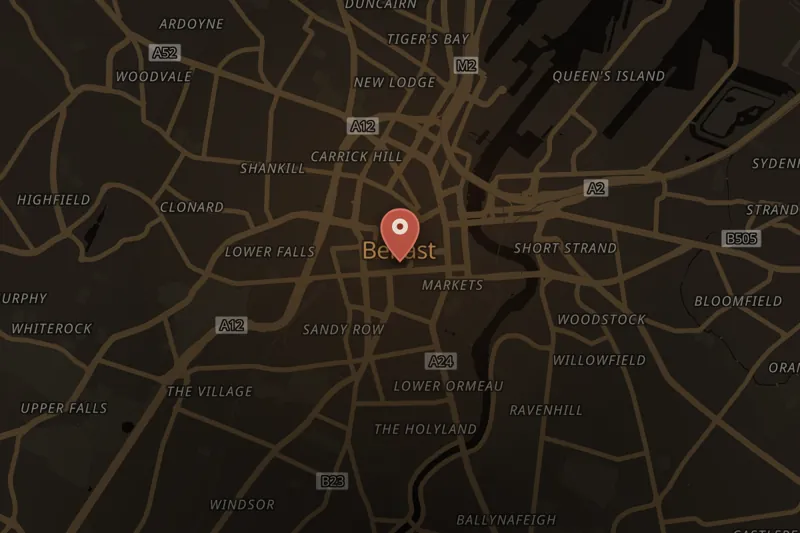
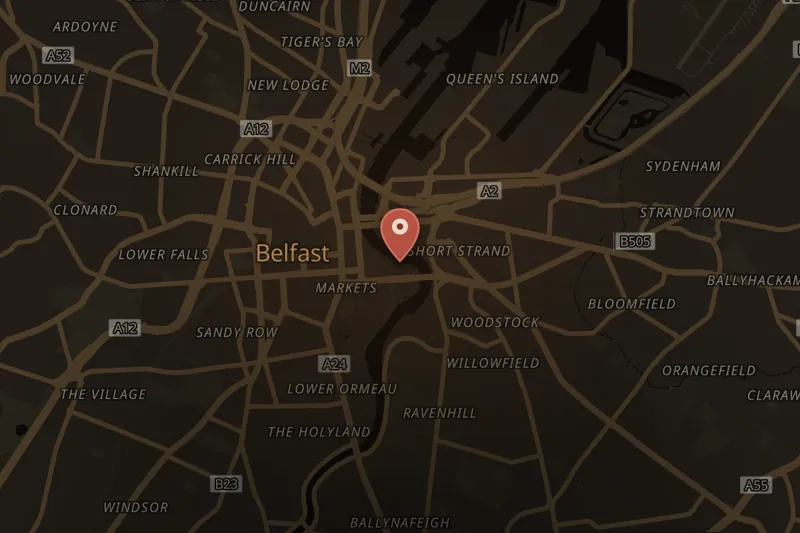
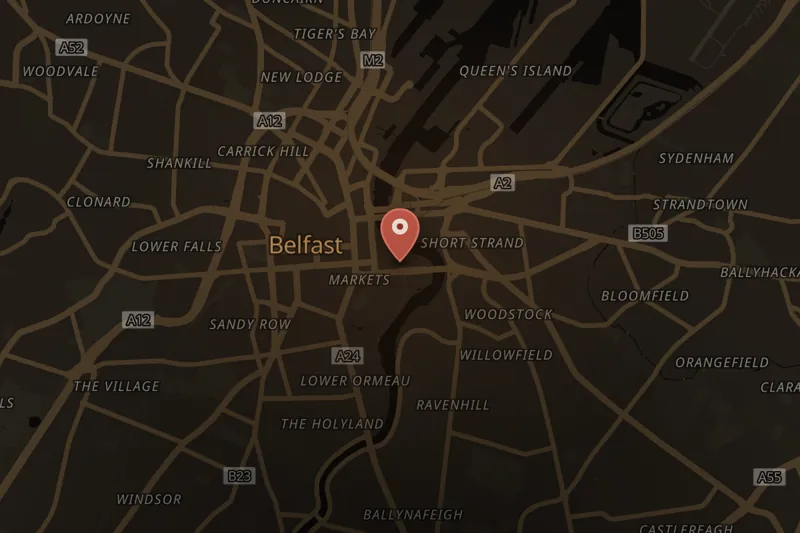
The Strand Bar stood in the Short Strand, a small Catholic enclave within the mainly Protestant East Belfast. At 8:12pm on 12 April 1975, members of the Red Hand Commando (RHC), a loyalist paramilitary group, threw an improvised bomb into the crowded pub. Witnesses said the attackers stuck a wooden plank through the door handle to prevent anyone escaping, and that they laughed and jeered while doing so before speeding off in a car. One man threw a stool through the pub's glass door but was unable to escape before the bomb exploded.
The blast killed four women and one man outright; another man died of his wounds a week later. The victims — all local Catholic civilians — were Mary McAleavy (57), Elizabeth Carson (64), Marie Bennett (42), Agnes McAnoy (62), Arthur Penn (32), and Michael Mulligan (33). Mary McAleavy was a mother of 11 children, Marie Bennett left seven children, and Arthur Penn was a father of three. Elizabeth Carson's husband, William Carson, lost an arm in the blast. About fifty other people were injured.
Aftermath
Twenty minutes after the bombing, Protestant civilian Stafford Mateer was shot while driving nearby, in an apparent revenge attack; he died of his wounds two days later.
The bombing was initially claimed by the "Ulster Young Militants," a name used by the Ulster Defence Association (UDA). In September 1975, a 31-year-old member of the RHC was charged with the murders. During a court hearing, the teenage son of one of the victims approached the defendant in the dock and punched him; the teenager was arrested and fined £10 by the magistrate. At trial, the prosecution relied heavily on a witness referred to as "Mr X," who said he had seen the accused driving the getaway car used by the bombers. The defendant was acquitted of murder, with the judge stating that "the certainty required for conviction is missing."

 UNSOLVEDListen