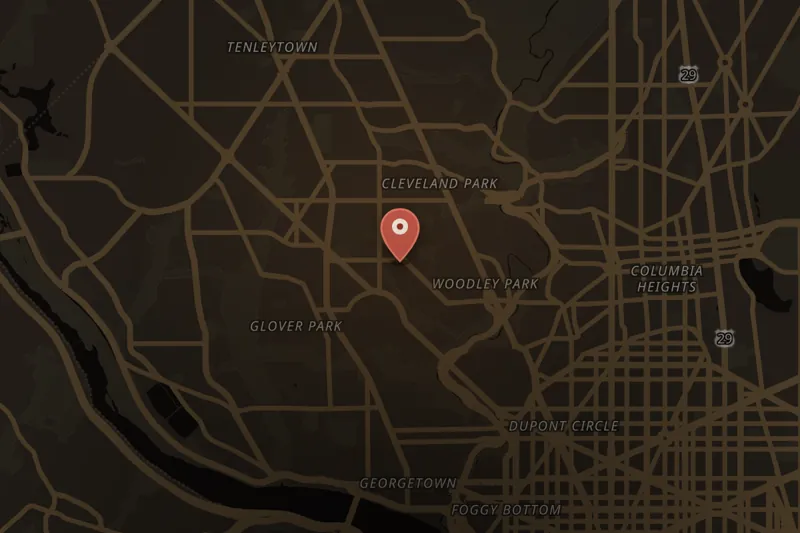
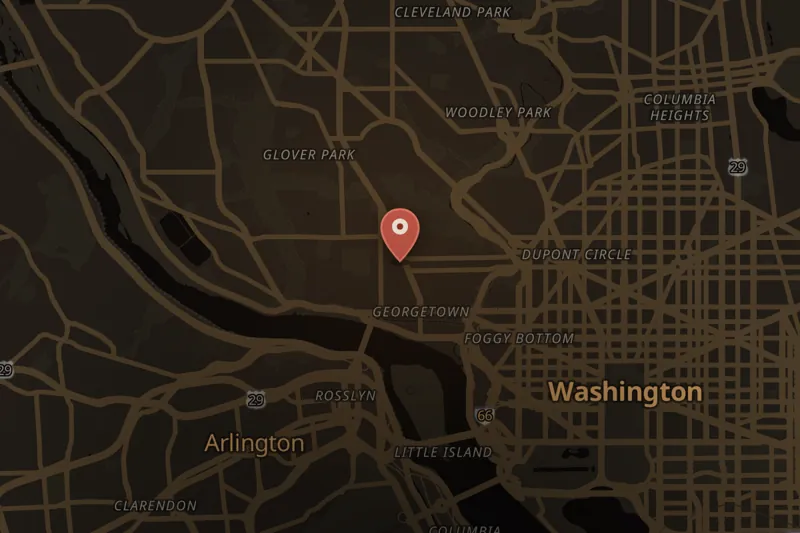
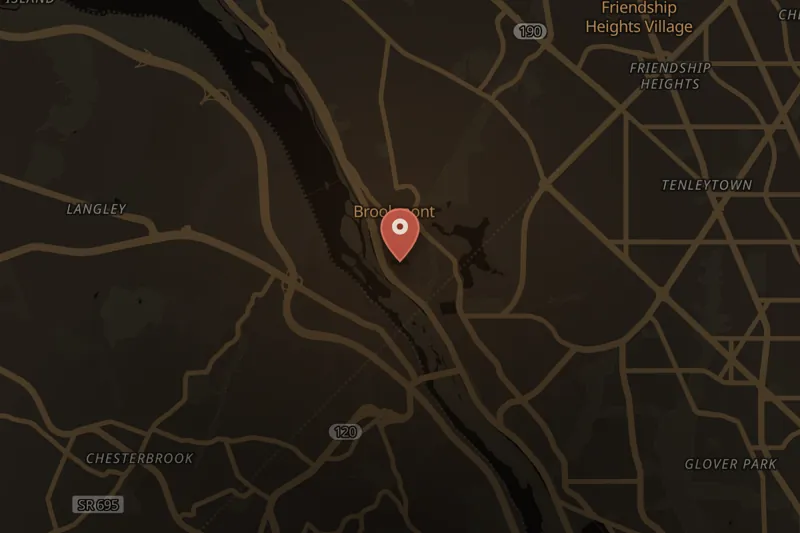
Vince Foster, deputy counsel to the White House, was found dead in Fort Marcy Park off the George Washington Memorial Parkway in Virginia on July 20, 1993. U.S. Park Police discovered him with an apparent self-inflicted gunshot wound to the head, holding a Colt .38 Special revolver in his right hand with his thumb hooked through the trigger guard. An autopsy and subsequent investigations concluded that Foster died from a single gunshot to the mouth using the weapon found at the scene.
Investigators determined that Foster had been distraught over criticism connected to the White House travel office controversy. He had reportedly confided to friends and colleagues that he was considering resignation but feared the "personal humiliation" of returning to Arkansas in defeat. According to the findings, Foster told his sister he was depressed shortly before his death and sought treatment for depression the day before he died.
Despite the absence of evidence of foul play, tabloids and newsletters speculated that Foster's death might have been a homicide, in some accounts implicating the Clintons. Special prosecutor Robert Fiske and the Senate Banking Committee both investigated and concluded there was no evidence of homicide. A further investigation led by special prosecutor Kenneth Starr reached the same conclusion, with the Office of Independent Counsel's final report stating that Foster owned the gun used and that his body had not been moved before police found it. The report concluded that Foster died by suicide by gunshot in Fort Marcy Park on July 20, 1993, agreeing with every other official entity that examined the matter.
A key piece of evidence was a draft resignation letter found torn into 27 pieces in Foster's briefcase, discovered by associate White House counsel Steve Neuwirth on July 26, 1993. The note passed through the hands of White House Counsel Bernard Nussbaum before reaching Park Police. The Department of Justice disclosed the note's contents at a press conference on August 10, 1993, stating a smudged palm print was found on it and confirming the handwriting as Foster's. A later FBI examination identified the palm print as belonging to Nussbaum. While three handwriting experts, including Oxford manuscript expert Reginald Alton, argued the note was forged, three separate analyses by the Capitol Police and FBI determined the handwriting was Foster's.
Conspiracy theories about Foster's death continued to circulate for years, fueled in part by figures associated with the "Arkansas Project," a conservative-funded effort examining the Clintons, and by a 1994 film, "The Clinton Chronicles," which advanced claims that the death scene had been staged. These claims, including an assertion about a "missing exit wound," were later traced by researchers to a Park Police official who acknowledged making an incorrect statement to reporters. In 2016, then-presidential candidate Donald Trump told the Washington Post that Foster's death was "very fishy," while also stating that he personally did not claim it was a murder.


 SOLVEDListen