Casepin
Back to cases

Case file

Texas Slave Insurrection Panic of 1860

SOLVED1860Dallas and surrounding North/East Texas towns3 SOURCESUPDATED JUL 2026
Edward Clark house outbuilding in Austin, Texas
Edward Clark house outbuilding in Austin, Texas — Credit: Jno.skinner · CC BY-SA 4.0

Background

Fear of slave rebellion was widespread among white people across the antebellum South, fueled by rare but real events such as Nat Turner's rebellion. In Texas, the enslaved population had more than tripled in the decade before 1860, and white Southerners were increasingly anxious that the growing abolitionist movement would organize revolts. Local governments in Texas had already expelled Tejano residents on suspicion of being unsupportive of slavery — Uvalde, for example, passed a law in 1857 requiring Mexicans to obtain a permit even to pass through the county — and Tejanos had been killed in the Cart War and other attacks. Following John Brown's 1859 raid on Harpers Ferry, Texans also targeted abolitionist ministers, and vigilantes in Palestine, Texas burned textbooks they considered part of an abolitionist conspiracy.

The Panic

On July 8, 1860, fires broke out in more than a dozen Texas towns, damaging parts of Dallas, Denton, Pilot Point, and other communities. The fires were likely caused by extremely hot, dry weather — 110°F (43°C) was reported in Dallas that day — combined with stores of white phosphorus matches that could spontaneously combust in high heat. While many residents initially accepted the weather explanation, vigilantes in Dallas began torturing Black residents to extract confessions of arson. Three men — Patrick Jennings, Sam Smith, and Cato — were executed as scapegoats. Charles R. Pryor, editor of the Dallas Herald, wrote widely reprinted letters describing the fires as a deliberate conspiracy orchestrated by two allegedly abolitionist Methodist ministers, intended to spark a slave revolt around an upcoming election.

Panic spread across Texas, and communities formed vigilance committees that used tortured confessions to construct an elaborate, imagined conspiracy involving a white command structure directing Black arsonists, assassins, poisoners, and "wife-stealers." Reports of arson attempts and abolitionist murder plots proliferated; in Austin, the mayor's office reported finding weapons caches in slave quarters, presumed to belong to unidentified white conspirators. Night patrols targeted enslaved people, white Northerners, foreigners, and Mexican Texans, killing those who failed to satisfy questioning, while others were subjected to show trials and public hangings. Law enforcement largely allowed vigilantes to carry out these killings. Fort Worth's vigilance committee stated it was "better ... to hang ninety-nine innocent men than to let one guilty one pass." Historians estimate 30 to 100 people were killed, with no hard evidence ever produced proving guilt in any case.

Effects

Pro-slavery advocates used the alleged conspiracy to build support for secession, attributing it to supporters of Abraham Lincoln and blaming the Wide Awakes organization for the fires. This rhetoric helped convince previously pro-Union Texans that secession was necessary if Lincoln won the presidency, which occurred in November 1860; Texas seceded in 1861. The conspiracy was treated as historical fact by some journalists and scholars into the mid-20th century despite lacking evidentiary support. Some participants in the 1860 killings, including future Texas Governor Richard Coke, went on to prominence, while the events themselves faded from public memory. In 1991, a park near Dealey Plaza in Dallas was renamed Martyrs Park to commemorate the execution site of Patrick Jennings, Sam Smith, and Cato.

Key facts

Victims
Sam Smith, Patrick Jennings, Cato
Date
1860
Location
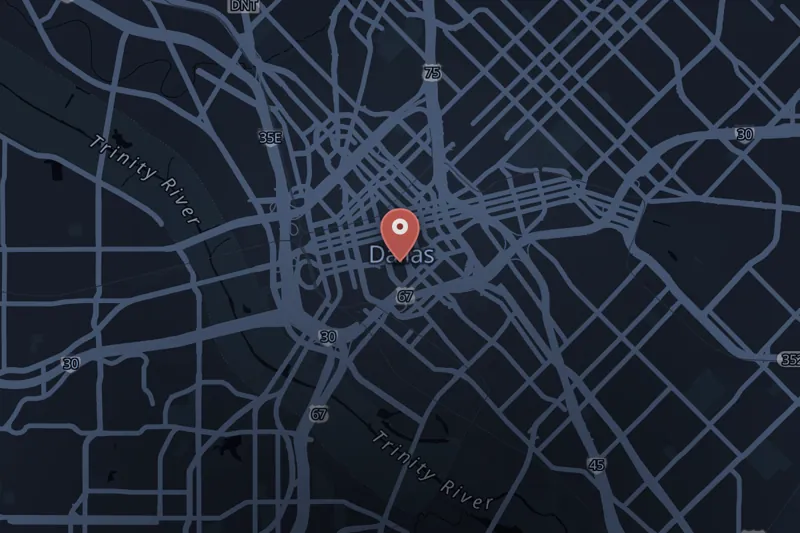
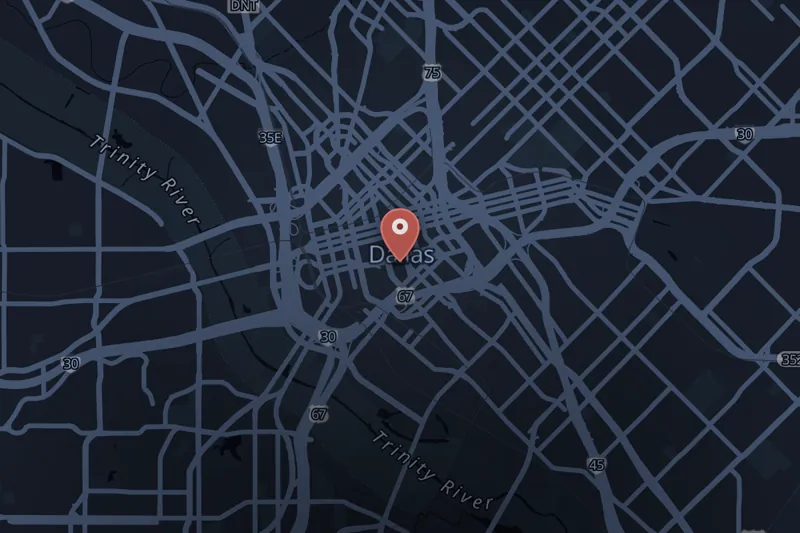
Dallas and surrounding North/East Texas towns
Case status
solved

Case timeline

  1. 1857

    Uvalde, Texas passed a law requiring Mexicans to obtain a permit to pass through the county, reflecting broader expulsions of Tejano residents believed unsupportive of slavery.

  2. 1859

    John Brown's raid on Harpers Ferry intensified Southern fears of abolitionist-organized slave rebellion; Texans attacked abolitionist ministers and, in Palestine, Texas, burned textbooks considered abolitionist propaganda.

  3. 1860-07-08

    Fires broke out in more than a dozen Texas towns, including Dallas, Denton, and Pilot Point, likely caused by extreme heat and spontaneously combusting phosphorus matches.

  4. 1860-07

    Vigilantes in Dallas tortured Black residents into confessions of arson; three men, Patrick Jennings, Sam Smith, and Cato, were executed as scapegoats. Dallas Herald editor Charles R. Pryor wrote widely reprinted letters framing the fires as an abolitionist-led conspiracy.

  5. 1860

    Vigilance committees formed across Texas; an estimated 30 to 100 people were killed amid the panic, with no evidence ever produced proving guilt in any case.

  6. 1860-11

    Abraham Lincoln was elected president; the alleged conspiracy, attributed by pro-slavery advocates to Lincoln's supporters, contributed to growing secessionist sentiment in Texas.

  7. 1861

    Texas seceded from the Union.

  8. 1949

    A journal article published by the Texas State Historical Association treated the conspiracy as historical fact while acknowledging it was unsubstantiated by evidence.

  9. 1991

    A park near Dealey Plaza in Dallas was renamed Martyrs Park to commemorate the execution site of Patrick Jennings, Sam Smith, and Cato.
Best coverage

No approved coverage links are attached yet.

People

  • Sam Smith

    VICTIM

    Executed by vigilantes in Dallas in 1860 as an accused arsonist during the panic; commemorated at Martyrs Park, Dallas.

  • Patrick Jennings

    VICTIM

    Executed by vigilantes in Dallas in 1860 as an accused arsonist during the panic; commemorated at Martyrs Park, Dallas.

  • Cato

    VICTIM

    Executed by vigilantes in Dallas in 1860 as an accused arsonist during the panic; commemorated at Martyrs Park, Dallas.

Roles reflect public records and court outcomes at the time of writing — supporting citations are on file under Sources.

Archival records

  • Edward Clark house outbuilding in Austin, Texas

    archival location

    Edward Clark house outbuilding in Austin, Texas

    Credit: Jno.skinner · CC BY-SA 4.0 · Source

Places

Common questions

What happened to the victim?
In the summer of 1860, fires in North and East Texas towns—likely caused by extreme heat and self-igniting phosphorus matches—sparked a moral panic in which vigilantes tortured, lynched, and executed an estimated 30 to 100 Black Texans and white residents accused of abolitionism, on the basis of an insurrection conspiracy historians consider imaginary.
Where did the crime happen?
Dallas and surrounding North/East Texas towns.
What is the current status of the case?
Status: solved.

Sources

  1. ENCYCLOPEDICTexas slave insurrection panic of 1860Wikipedia · 2026-07-07
  2. PRESSContemporaneous coverage — web-clear.unt.eduweb-clear.unt.edu · 2026-07-07
  3. PRESSContemporaneous coverage — search.worldcat.orgsearch.worldcat.org · 2026-07-07

Record history

First published
JUL 07, 2026