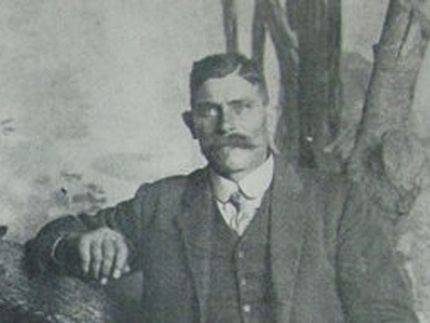
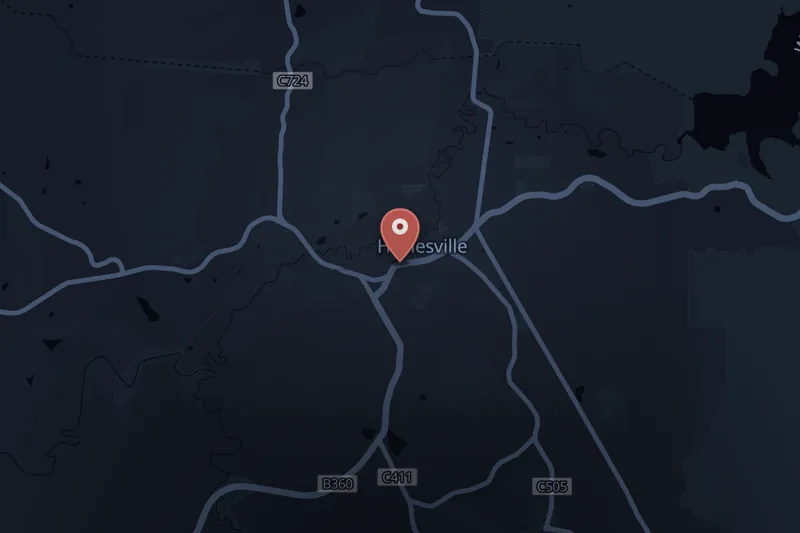
In July 1843, Ronald Macalister, a Scottish colonist, was killed by two Aboriginal men near Port Albert on the coast of what is now Victoria, Australia, as he travelled toward Mason's Station (Green Mount). Following his death, pastoralist Angus McMillan organised a group of around 20 colonists, referred to as the "Highland Brigade" because its members were Gaelic-speaking Scotsmen, to pursue those responsible and to attack Aboriginal groups in the area. The party was reported to have been absent on this pursuit for several weeks.
The Highland Brigade's actions resulted in killings of Gunai/Kurnai people, particularly the Brataualung people, at Warrigal Creek and at several other nearby locations over a number of days. Historian Peter Gardner, reviewing available accounts, concluded that McMillan's group first killed two family groups at the Warrigal Creek waterhole and then, a few days later, killed around 60 people at the mouth of Warrigal Creek, before killing further groups at Freshwater Creek, Gammon Creek, and Red Hill. Gardner's review found that the Highland Brigade's apparent aim was to eliminate Aboriginal people from the area.
Estimates of the death toll vary significantly across historical accounts, ranging from around 60 to as many as 150 people; some historians argue that even the lower figure of 60 may be an overstatement, despite witness testimony describing large-scale killing. A witness, William Hoddinott of East Bairnsdale, wrote an account of the Highland Brigade's actions in 1925 under the pseudonym "Gippslander," later producing a similar account in 1940. Hoddinott described the Brigade surrounding Aboriginal people camped at a waterhole at Warrigal Creek and firing on them, including on people who jumped into the water to escape, and stated that more than 100 Aboriginal people were killed that day. Hoddinott also recounted that a wounded boy, aged approximately 12–14 and hit in the eye, survived and was subsequently forced by the colonists to guide the Brigade between camps.
Roughly two years after the killings, William Thomas, Assistant Protector of Aborigines, recorded testimony indicating that few Aboriginal people remained in the area as a result of the violence, and that bones of victims could reportedly be gathered by the cartload on a nearby station. This account also suggested a possible precipitating dispute involving the taking of Aboriginal women by some of Macalister's men prior to his killing, though Macalister himself was said to have had good relations with local Aboriginal people.
No individuals have been identified in the historical record as facing prosecution for these killings. As of 2021, more than a dozen monuments in the Gippsland region are dedicated to Angus McMillan, despite the widespread historical understanding of his role in leading the massacres.


 SOLVEDListen