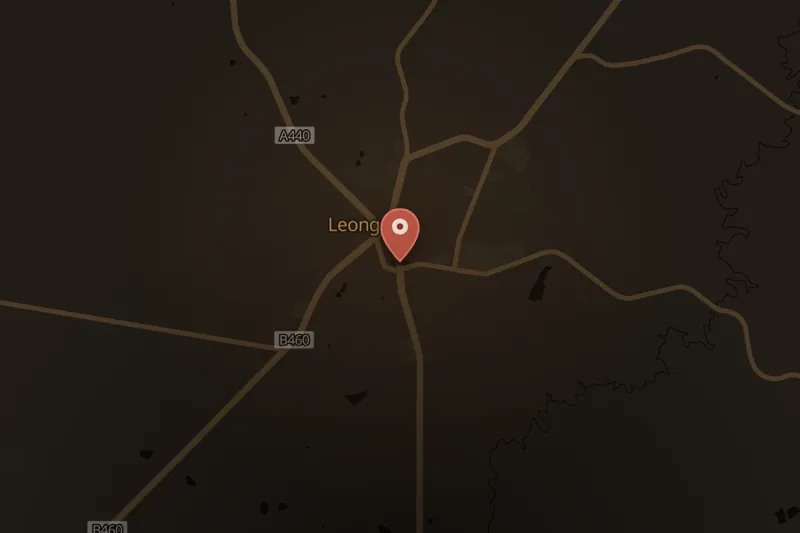
The Waterloo Creek massacre (also known as the Slaughterhouse Creek massacre) refers to a series of violent clashes between mounted settlers, civilians, and Indigenous Gamilaraay (also recorded as Namoi, Weraerai and Kamilaroi) people that occurred southwest of Moree, New South Wales, during December 1837 and January 1838. The site is listed on the New South Wales State Heritage Register as a place of significance in frontier violence connected to the killing of Gamilaraay people.
A Sydney mounted police detachment, dispatched by acting Lieutenant Governor Colonel Kenneth Snodgrass, was sent to track Aboriginal groups blamed for the killing of five stockmen on recently established pastoral runs in the upper Gwydir River area. Led by Major James Nunn, two sergeants and twenty troopers arrested 15 Aboriginal people along the Namoi River, releasing all but two — one of whom was shot while attempting to escape. The main body of Kamilaroi evaded the troopers, prompting a three-week pursuit from present-day Manilla north to the upper Gwydir River. On the morning of 26 January 1838, following a surprise spear attack that wounded Corporal Hannan, members of the Kamilaroi were killed in an initial engagement; estimates of fatalities in this clash range from 4–5 to 40–50 depending on the source. A second engagement followed at a location subsequently known as Waterloo Creek, lasting several hours, with no Aboriginal people captured.
Because no martial law or other authorising legislation had been declared, the police were legally limited to using force proportionate to any risk to life or property, and no one held a licence to kill. There was suspicion that the troopers acted more like an undisciplined military force than a regular police force.
Major Nunn submitted a report on the expedition to the newly arrived Governor Gipps on 5 March 1838. Within a month, the Executive Council accepted Attorney General John Plunkett's recommendation for an official inquiry into the expedition, including the Aboriginal deaths. Publication of a related coronial inquiry notice was delayed until "public excitement" over the Myall Creek murderers' executions had abated. Gipps's inquiry into the Nunn expedition was itself delayed by difficulties obtaining eyewitness evidence and concerns about alienating police volunteers. The inquiry was reactivated on 22 July 1839 at Merton Courthouse; the only eyewitness accounts of the fatal main engagement came from Lieutenant George Cobban and Sergeant John Lee. No convictions resulted, and the Executive Council concluded that the killings were the result of police acting honestly, if mistakenly, under orders to repel an "aggressive attack."
Cobban stated he witnessed two Aboriginal people shot while escaping and believed at most three or four had been killed; Sergeant Lee stated that 40 to 50 had been killed. Later historians have offered further differing estimates, ranging up to 200–300 deaths, and differing site locations. On 25 June 2021, the Waterloo Creek Massacre site at Jews Lagoon was listed on the NSW State Heritage Register as a place of frontier conflict and community memorial.


 SOLVEDListen