Background
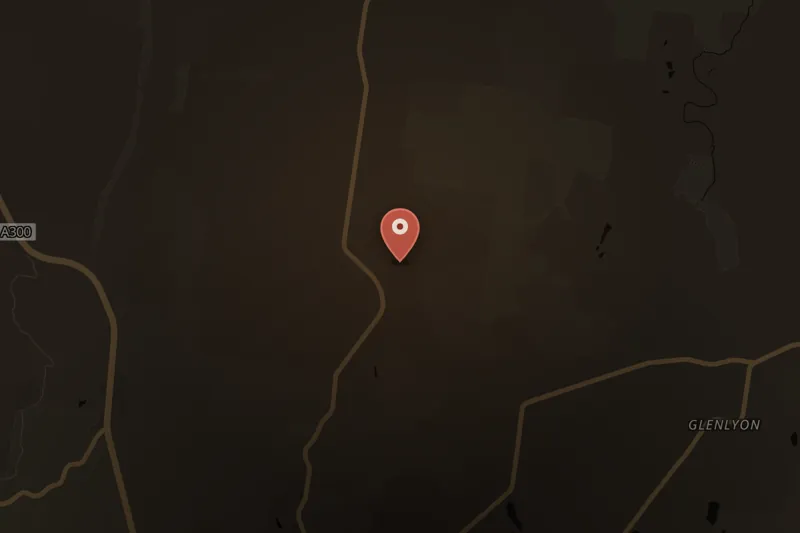
In late 1837, a sheep station was established on Djadjawurrung country north of Kyneton, in what is now Victoria, Australia, after an overseer, John Coppock, drove sheep to the site. According to historical accounts and testimony later recorded by Chief Protector of Aborigines George Augustus Robinson, some of the station hands in the district developed a pattern of violence toward the local Aboriginal people. Neighbouring runs were taken up in early 1838 by other colonists, several of whom are recorded in these accounts as holding or acting on exterminatory attitudes toward the Aboriginal population.
In April 1838, conflict between pastoralists and the neighbouring Taungurung people led to the killing of eight British stockmen near present-day Benalla (the Faithful Massacre), followed by reprisal raids. Violence spread to the Barfold district, where in May 1838 two of Coppock's convict workers were found dead and a large number of sheep were reported missing.
The massacre
In response, Coppock is recorded as assembling a party of roughly 20 armed and mounted convict men from Barfold and neighbouring stations. The party tracked a group of Djadjawurrung people to a camp in a gully, later known as Waterloo Plains, and attacked at night. Estimates of the number killed range from 8 to 23, with others wounded; two of the attackers sustained minor injuries. Robinson later recorded testimony describing the attackers firing from horseback at people who had little defence, including one man shot while trying to shield others.
Aftermath
The Melbourne police magistrate reported the killings to the Governor in Sydney, and Coppock and his party were summoned to account for them, but Coppock missed the boat from Williamstown and was never held to account; no one was convicted over the massacre. Violence in the district continued into 1839 and 1840, with further deployments of Border and Mounted Police against Aboriginal people and further deaths, including a raid in January 1840 in which at least two unarmed Djadjawurrung men were killed and another was captured and taken to Melbourne. The massacre is documented in Robinson's records and in later truth-telling archives.


 UNSOLVEDListen