Case file
White River War
Documents violence — written to inform, not to shock.

Background
In 1879 the Ute Reservation covered most of western Colorado, land guaranteed to the Ute by an 1868 treaty for their "absolute and undisturbed use and occupation." Despite treaty terms requiring the U.S. government to prevent trespass, miners had encroached on the reservation through the 1870s with little enforcement action. Army presence near the reservation was minimal, with only two understrength troops of the 9th Cavalry stationed in Colorado by 1879, most of the regiment being engaged elsewhere in Victorio's War.
In 1878, Nathan Meeker was appointed U.S. Indian Agent at the White River Ute Reservation despite lacking experience with Native Americans. Meeker pursued policies aimed at converting the Ute to Christianity and forcing them into settled farming, contrary to their hunter-gatherer and migratory traditions. Tensions escalated after Meeker plowed land the Ute used for grazing and horse racing. Colorado Governor Frederick Walker Pitkin had campaigned on removing the Ute from the state, and local politicians and settlers made exaggerated claims against the tribe.
The Attacks
On September 29, 1879, following an assault on Meeker and his eviction from his home, Ute members attacked the White River Agency, killing Meeker and ten male employees: Frank Dresser, Henry Dresser, George Eaton, Wilmer E. Eskridge, Carl Goldstein, W.H. Post, Shaduck Price, Fred Shepard, Arthur L. Thompson, and Julius Moore. Five women and children, including Meeker's wife Arvilla and daughter Josephine, were taken hostage and held for 23 days before being released through negotiations aided by Chief Ouray, his wife Chipeta, and a Ute woman named Shawsheen and her husband.
Simultaneously, Ute warriors led by Chief Colorow ambushed Major Thomas T. Thornburgh's column of roughly 178 soldiers and militiamen at Milk Creek, killing Thornburgh and 13 soldiers and wounding 28. Troops held a defensive position for several days until reinforced by Buffalo Soldiers of the 9th Cavalry on October 2, and were relieved by a larger column under Colonel Wesley Merritt on October 5, by which time the Ute had dispersed. Eleven soldiers, including Sergeant Henry Johnson and Captain Francis Dodge, were later awarded the Medal of Honor.
Aftermath
Secretary of the Interior Carl Schurz halted military action pending the hostages' release, secured by former agent Charles Adams. Peace negotiations began in November 1879, and in 1880 Congress enacted the Ute Removal Act, forcing the White River Utes to the Uintah Reservation in Utah and later also forcing the Uncompahgre Utes from Colorado, denying the tribe roughly 12 million acres of treaty land. Chief Jack, who had fled with White River Utes back to Colorado, was killed by soldiers on April 28, 1882, while resisting return to the Uintah Reservation, marking the effective end of the conflict.

Key facts
- Victims
- Nathan Meeker, Wilmer E. Eskridge, Thomas T. Thornburgh, Fred Shepard, Julius Moore, Chief Jack, Henry Dresser, Shaduck Price, Frank Dresser, W.H. Post, Arthur L. Thompson, George Eaton, Carl Goldstein
- Date
- 1879
- Location
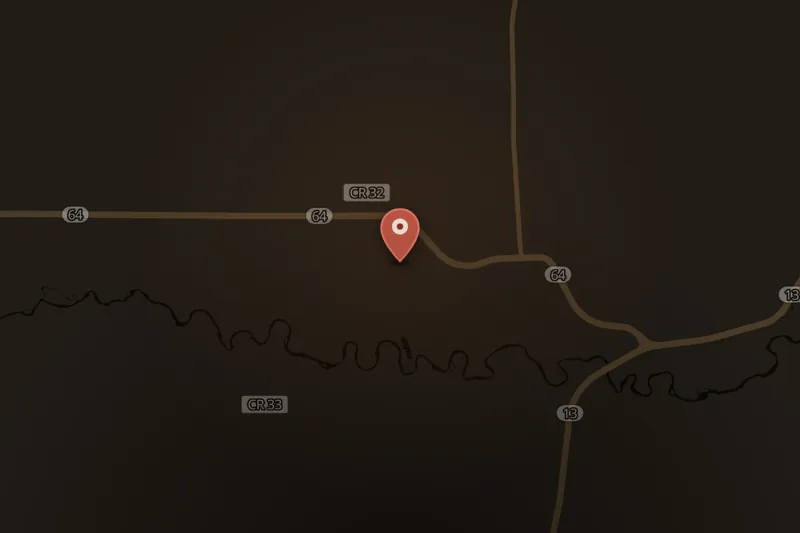
- White River Indian Agency / Milk Creek, near present-day Meeker, Colorado
- Case status
- solved
Case timeline
1868
Treaty grants Ute Reservation covering most of western Colorado for exclusive Ute use.
1878
Nathan Meeker appointed U.S. Indian Agent at the White River Ute Reservation.
1879-09-21
Major Thomas T. Thornburgh leads troops from Fort Steele toward the White River Agency at Meeker's request for assistance.
1879-09-29
Ute attack on the White River Agency kills Nathan Meeker and ten employees; simultaneous Ute ambush at Milk Creek kills Thornburgh and 13 soldiers.
1879-10-02
Buffalo Soldiers of the 9th Cavalry reinforce besieged troops at Milk Creek.
1879-10-05
Relief column under Colonel Wesley Merritt reaches Milk Creek; Ute forces have dispersed.
1879-11
Peace Commission negotiations begin at the Los Piños Indian Agency.
1880
Congress enacts the Ute Removal Act, forcing removal of White River and Uncompahgre Utes from Colorado.
1880-08-28
Chief Ouray dies.
1881
Uncompahgre Utes forcibly removed to the newly named Ouray Reservation in Utah, under escort of Colonel Ranald MacKenzie's troops.
1882-04-28
Chief Jack is killed by soldiers after fleeing with White River Utes back to Colorado, effectively ending the conflict.
1883
U.S. Army vacates the camp built at the former White River Indian Agency site.
Best coverage
No approved coverage links are attached yet.
People
Nathan Meeker
VICTIMU.S. Indian Agent killed in the attack on the White River Agency on September 29, 1879.
citation on file
Wilmer E. Eskridge
VICTIMEmployee at the White River Indian Agency killed in the September 29, 1879 attack.
citation on file
Thomas T. Thornburgh
VICTIMU.S. Army Major killed leading troops ambushed by Ute warriors at Milk Creek on September 29, 1879.
citation on file
Fred Shepard
VICTIMEmployee at the White River Indian Agency killed in the September 29, 1879 attack.
citation on file
Julius Moore
VICTIMTeamster at the White River Indian Agency killed in the September 29, 1879 attack, identified as the 'unknown teamster.'
citation on file
Chief Ouray
LAW ENFORCEMENTUncompahgre Ute chief who was not involved in the uprising and helped negotiate the release of hostages taken by Ute raiders.
citation on file
Chief Colorow
CHARGEDUte leader who led warriors in the ambush of Thornburgh's forces at Milk Creek; named in historical accounts of the attack, no formal legal proceeding described in source.
citation on file
Chief Jack
VICTIMUte leader killed by soldiers on April 28, 1882, while resisting forced return to the Uintah Reservation.
citation on file
Henry Dresser
VICTIMEmployee at the White River Indian Agency killed in the September 29, 1879 attack.
citation on file
Shaduck Price
VICTIMEmployee at the White River Indian Agency killed in the September 29, 1879 attack.
citation on file
Frank Dresser
VICTIMEmployee at the White River Indian Agency killed in the September 29, 1879 attack.
citation on file
W.H. Post
VICTIMEmployee at the White River Indian Agency killed in the September 29, 1879 attack.
citation on file
Arthur L. Thompson
VICTIMEmployee at the White River Indian Agency killed in the September 29, 1879 attack.
citation on file
George Eaton
VICTIMEmployee at the White River Indian Agency killed in the September 29, 1879 attack.
citation on file
Francis Dodge
LAW ENFORCEMENTU.S. Army Captain awarded the Medal of Honor for leading reinforcements to besieged troops at Milk Creek.
citation on file
Henry Johnson
LAW ENFORCEMENTU.S. Army Sergeant awarded the Medal of Honor for actions during the Milk Creek engagement.
citation on file
Carl Goldstein
VICTIMEmployee at the White River Indian Agency killed in the September 29, 1879 attack.
citation on file
Places
Common questions
- What happened to the victim?
- On September 29, 1879, Ute warriors killed Indian agent Nathan Meeker and ten male employees at the White River Agency in Colorado while simultaneously ambushing U.S. Army troops under Major Thomas T. Thornburgh at Milk Creek, killing him and 13 soldiers. The conflict led to the forced removal of the White River and Uncompahgre Utes from Colorado.
- Where did the crime happen?
- White River Indian Agency / Milk Creek, near present-day Meeker, Colorado.
- What is the current status of the case?
- Status: solved. Last verified July 2026.
Sources
- White River Warwikipedia · Wikipedia · 2026-07-07
- Contemporaneous coverage — nps.govnews · nps.gov · 2026-07-07
- Contemporaneous coverage — search.worldcat.orgnews · search.worldcat.org · 2026-07-07
Last verified JUL 2026