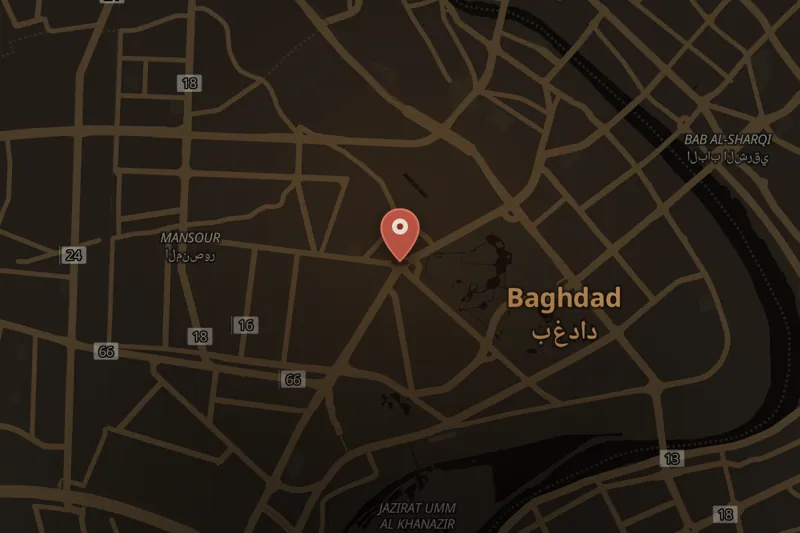
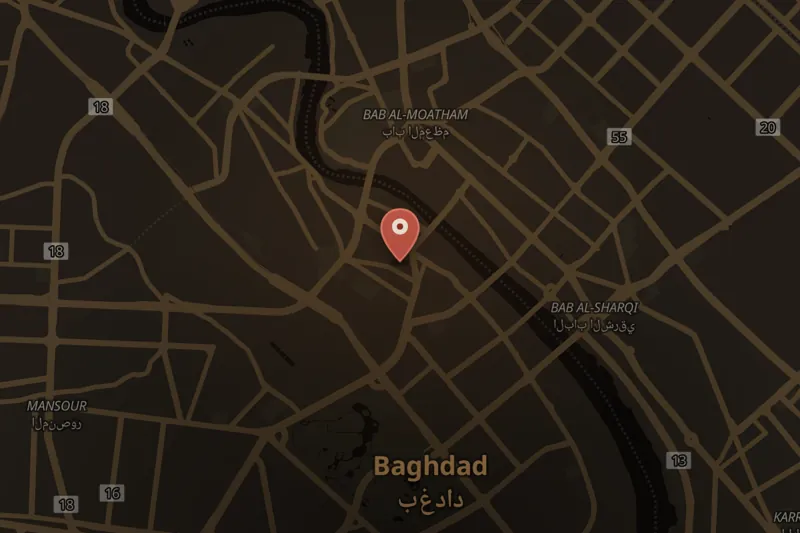
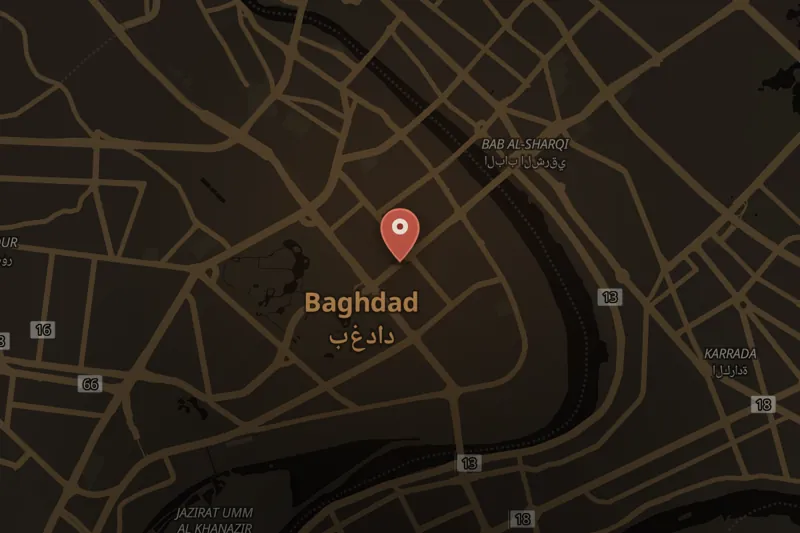
On 18 April 2007, a coordinated series of five car bomb attacks struck Baghdad, Iraq, killing nearly 200 people. The attacks primarily targeted Shia locations and civilians, occurring at a time when the level of violence recalled conditions before Operation Law and Order was implemented in February 2007 to secure the Iraqi capital.
The first bomb detonated on a minibus in the al-Shurja area of the Risafi neighborhood, killing at least four people and wounding six. Shortly afterward, a parked car bomb exploded in the Karrada neighborhood near a private hospital, killing at least 11 people and wounding 13. A suicide car bomber then crashed into an Iraqi police checkpoint in Sadr City, causing an explosion that killed at least 41 people — including five Iraqi police officers — and wounded 76.
The deadliest attack occurred about an hour later at the al-Sadriya market in central Baghdad, where a powerful car bomb killed at least 140 people and wounded 148, according to an Iraqi hospital official. The bomb had reportedly been left in a parked car and detonated around 16:00 local time in the middle of a crowd of workers. The market had previously been destroyed in a truck bombing on 3 February 2007 that killed more than 130 people, and was still being rebuilt at the time of the second attack. Later the same day, another suicide bomber detonated at the entrance to the Sadriya district, killing two police officers and wounding eight.
The bombings occurred as Iraqi Prime Minister Nouri al-Maliki stated that Iraqi forces would assume full control of the country's security by the end of the year. The same day, officials from more than 60 countries were attending a United Nations conference in Geneva addressing the plight of Iraqi refugees.
No group claimed responsibility for the attacks. United States Defense Secretary Robert Gates, speaking from Tel Aviv, suggested that the Islamic State of Iraq might have been responsible, though this was presented as speculation rather than a confirmed claim of responsibility.

 SOLVEDListen