Casepin
Back to cases

Active case

1945 Katsuyama killing incident

UNSOLVED1945Katsuyama, Nago, Okinawa, Japan3 SOURCESUPDATED JUL 2026
Katsuyama Marines
Katsuyama Marines — Credit: U.S. Military · Public domain

In June 1945, following the Allied victory at the Battle of Okinawa, U.S. forces occupied the Okinawa Islands. Shortly afterward, three U.S. Marines described by villagers as "Black Americans," including one "as large as a Sumo wrestler," entered the village of Katsuyama, northwest of Nago, and raped a girl. According to villagers, the Marines returned nearly every Saturday afterward, forcing male residents to lead them to women who were then taken into the hills and raped, sometimes arriving unarmed because they believed the villagers would not resist.

In July 1945, a group of male refugees sheltering in the village, together with village men and two armed Imperial Japanese Army soldiers hiding nearby, planned an ambush. According to elderly Katsuyama residents interviewed later by The New York Times, the three Marines were shot in a narrow mountain pass and then beaten to death by several dozen villagers using sticks and stones. A resident who was a teenager at the time recalled hearing gunshots and commotion but not witnessing the killing directly. Afterward, villagers dragged the bodies up a steep slope and concealed them in a cave with a steep drop-off near its entrance, which was then sealed with rocks. The cave reportedly became known locally by a name later translated in English-language sources as "Cave of the Negroes" or "black men's cave," using a Japanese term now considered a derogatory slur for Black people.

The Marines were reported missing on 14 July 1945 and initially listed as possible deserters, before a subsequent investigation classified them as missing in action and, by mid-1946, presumed dead; they were posthumously awarded Purple Hearts. Knowledge of the killings remained a closely held village secret for approximately fifty years, spanning U.S. military governance of Okinawa and its later return to Japanese administration, though a 1978 local historical society record obliquely described the killings as "tragic."

In 1997, a Katsuyama resident, motivated by guilt after hearing accounts from village elders, contacted a tour guide involved in searching for the remains of deceased U.S. servicemen. The two searched for and located the sealed cave, and local police were informed in September 1997, though the discovery was publicly presented as an independent find by the tour guide in February 1998 to protect the resident's anonymity. The remains were transferred to U.S. military custody in April 1998 and identified in April 1999 through dental records and dog tags as Private First Class John M. Smith, Private Isaac Stokes, and Private First Class James D. Robinson, all of the segregated 37th Marine Depot Company.

Wider public attention followed an April 2000 Yomiuri Shimbun report linking Katsuyama residents to the deaths. Families of the Marines disputed that their relatives had committed rape, and The New York Times noted it was never definitively proven that the men killed were the same Marines responsible for the assaults. A Naval Criminal Investigative Service probe was announced but Okinawa prefectural police stated no prosecution was possible, as the 15-year statute of limitations had expired in 1960. The case reignited discussion of underreported wartime sexual violence by American servicemen in Okinawa.

Key facts

Victims
James D. Robinson, John M. Smith, Isaac Stokes
Date
1945
Location
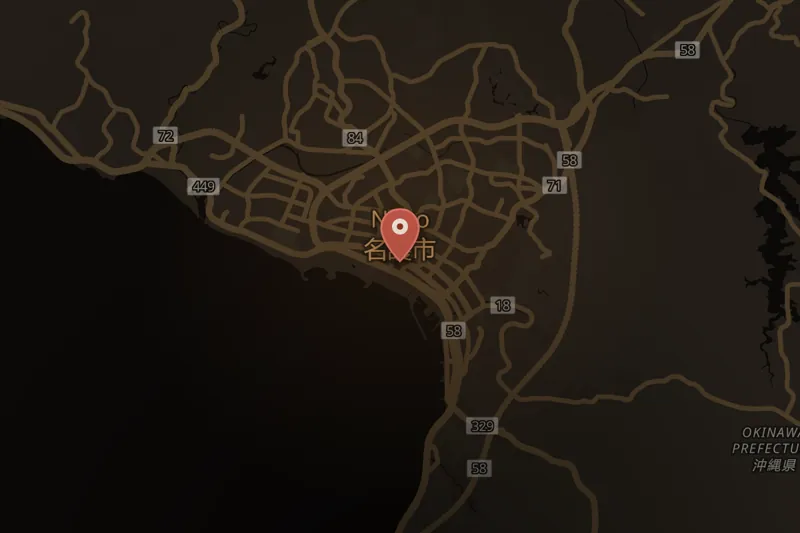
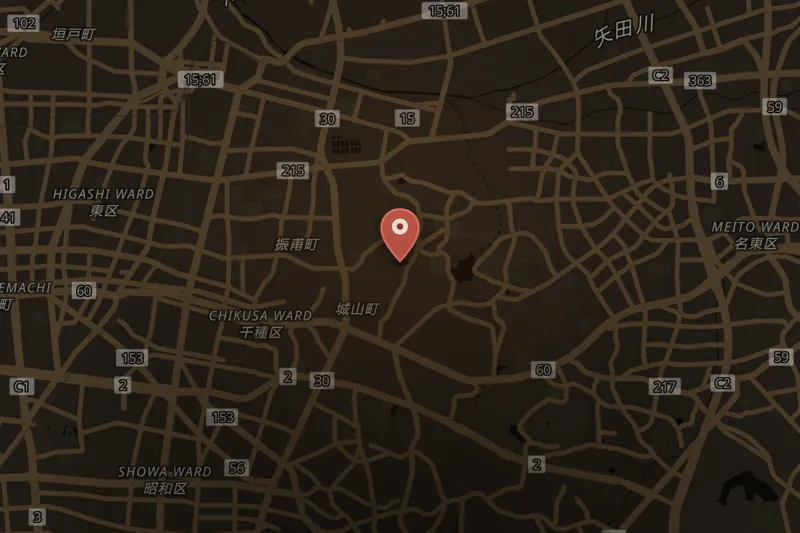
Katsuyama, Nago, Okinawa, Japan
Case status
unsolved

Case timeline

  1. 1945-06

    Battle of Okinawa concludes with Allied victory, leading to U.S. occupation of the Okinawa Islands.

  2. 1945-07

    Villagers of Katsuyama, aided by refugees and two Imperial Japanese Army soldiers, ambush and kill three U.S. Marines they identified as having committed rapes in the village.

  3. 1945-07-14

    The three Marines are officially reported missing.

  4. 1946-07

    After investigation, the Marines are declared missing in action and presumed dead.

  5. 1978

    A local historical society's official record of Katsuyama obliquely references the killings as 'tragic.'

  6. 1997-06

    A Katsuyama resident and a tour guide begin searching for the cave where the bodies were hidden.

  7. 1997-08

    The sealed cave is rediscovered after a typhoon dislodges a tree blocking its entrance.

  8. 1997-09

    Local police are informed of the discovery but do not report it to higher authorities.

  9. 1998-02

    The discovery of the cave and remains is publicly presented as made independently by the tour guide.

  10. 1998-04

    Recovered remains are handed over to U.S. military authorities.

  11. 1999-04

    The three Marines are identified via dental records and dog tags.

  12. 2000-04

    NCIS announces a probe into the deaths; Yomiuri Shimbun publishes an article linking Katsuyama residents to the killings.

  13. 2000-02-26

    Private First Class James D. Robinson is buried with military honors in Lincoln Memorial Cemetery, Savannah.

  14. 2000-03-25

    Private First Class John M. Smith is buried with military honors in Oak Hill Cemetery, Springdale, Ohio.

  15. 2000-10-06

    All three Marines are reburied together at Arlington National Cemetery.

Best coverage

No approved coverage links are attached yet.

People

  • James D. Robinson

    VICTIM

    U.S. Marine Corps Private First Class, killed by Katsuyama villagers in July 1945; remains identified in 1999.

  • John M. Smith

    VICTIM

    U.S. Marine Corps Private First Class, killed by Katsuyama villagers in July 1945; remains identified in 1999.

  • Isaac Stokes

    VICTIM

    U.S. Marine Corps Private, killed by Katsuyama villagers in July 1945; remains identified in 1999.

Roles reflect public records and court outcomes at the time of writing — supporting citations are on file under Sources.

Archival records

  • Katsuyama Marines

    mugshot

    Katsuyama Marines

    Credit: U.S. Military · Public domain · Source

Places

Common questions

What happened to the victim?
In July 1945, three Black U.S. Marines were killed by residents of Katsuyama, Okinawa, after villagers identified them as the men who had repeatedly raped village women in the weeks following the Battle of Okinawa. The killing was concealed by the village for roughly 50 years until the Marines' remains were found in a hidden cave in the late 1990s; no one was ever charged.
Where did the killing happen?
Katsuyama, Nago, Okinawa, Japan.
What is the current status of the case?
Status: unsolved. Last verified July 2026.

Sources

  1. ENCYCLOPEDIC1945 Katsuyama killing incidentWikipedia · 2026-07-07
  2. PRESS3 Dead Marines and a Secret of Wartime OkinawaThe New York Times · 2026-07-07
  3. PRESSContemporaneous coverage — search.worldcat.org (Cultural Anthropology journal record)search.worldcat.org · 2026-07-07

Record history

First published
JUL 07, 2026
Last verified against sources
JUL 07, 2026