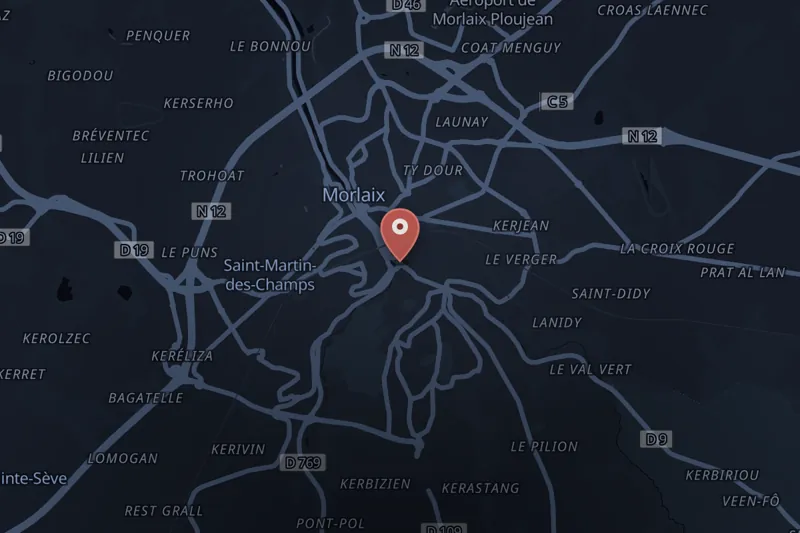
On the night of 27–28 December 1948, a Douglas DC-3 airliner registered NC16002, operated by Airborne Transport, departed San Juan, Puerto Rico, bound for Miami, Florida, carrying 29 passengers and three crew members. The flight was captained by Robert Linquist, with co-pilot Ernest Hill and stewardess Mary Burke. Before departure, Linquist told ground crew in San Juan that a landing-gear warning light was not working and that the aircraft's batteries were discharged and low on water. Rather than delay the flight for a full recharge, Linquist elected to have the batteries refilled with water and reinstalled without a full charge, expecting the aircraft's generators to recharge them in flight. The aircraft initially could not transmit on its radio due to the low battery charge, though it could still receive. After assuring the head of Puerto Rican Transport that he would remain near San Juan until the batteries recharged sufficiently for two-way contact, Linquist took off at 22:03, circled the city for eleven minutes, and then proceeded toward Miami on a previously filed flight plan without filing an updated in-flight plan as had been arranged.
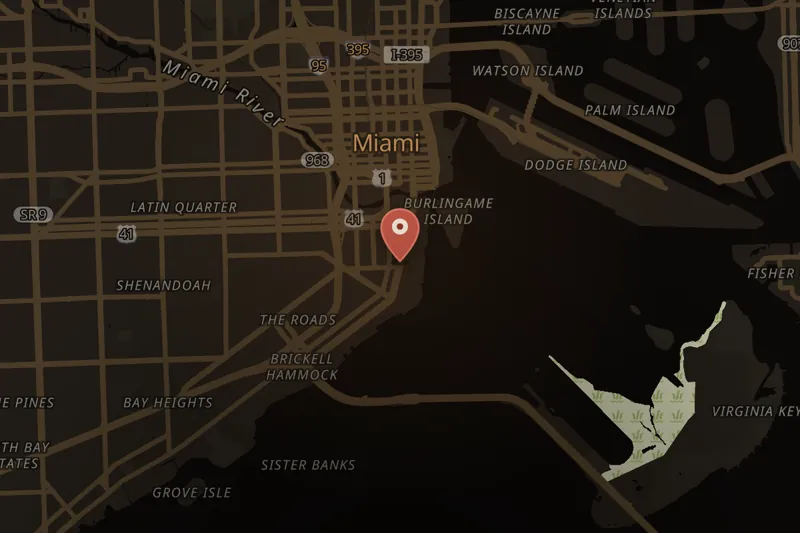
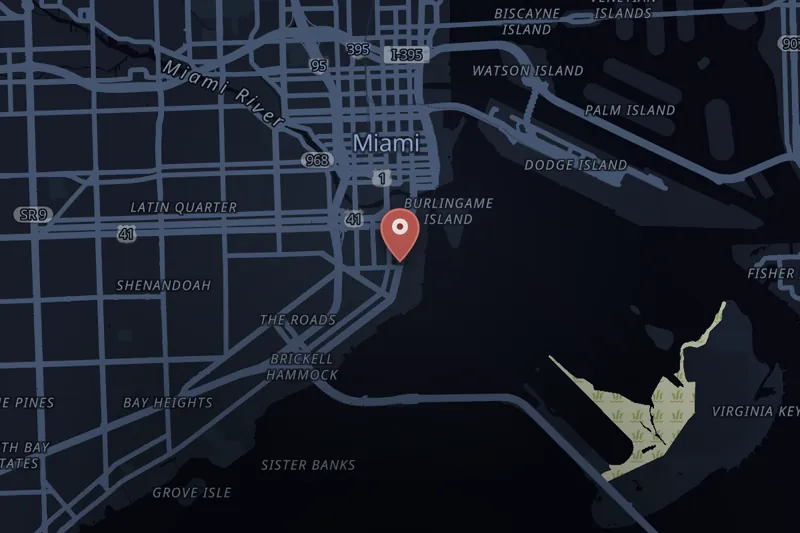
Weather conditions were reported as fine with high visibility. San Juan air traffic control was unable to reach the aircraft on subsequent calls. At 23:23, Miami's Overseas Foreign Air Route Traffic Control Center received a routine transmission from Linquist reporting an altitude of 8,300 feet and an estimated arrival time of 04:03, placing the aircraft about 700 miles from Miami. Sporadic routine transmissions continued through the night. At 04:13, Linquist reported being 50 miles south of Miami; this transmission was not heard directly by Miami but was picked up by New Orleans and relayed. The Civil Aeronautics Board's (CAB) accident report later suggested Linquist may have misreported his position. At that point the aircraft had only about 80 minutes of fuel remaining. Miami's wind had shifted from northwest to northeast, and while this change was transmitted, neither Miami nor New Orleans could re-establish contact with the flight, leaving it unknown whether the crew received the update. Investigators noted the aircraft could have drifted 40–50 miles off course as a result, expanding the search area to Cuba, the Everglades, and parts of the Gulf of Mexico.
On 4 January 1949, two bodies were found in the sea south of Guantánamo Bay, Cuba; it was never established whether this was connected to the missing flight. No further contact was made with NC16002, and neither the aircraft nor definitive wreckage has been recovered.
The CAB's investigation, released 15 July 1949, found the aircraft and crew were certified as airworthy but noted the plane did not meet operating-certificate requirements at takeoff, that maintenance records were incomplete, and that it departed overweight by 118 lb. Due to the absence of wreckage, the board could not determine a probable cause. The disappearance has since been cited in popular accounts of the so-called Bermuda Triangle, though no verified explanation has been established.

 ONGOINGListen