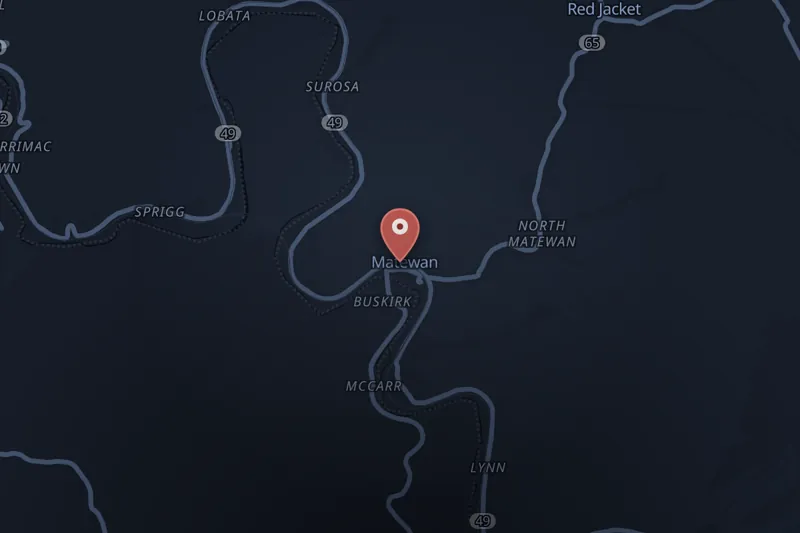
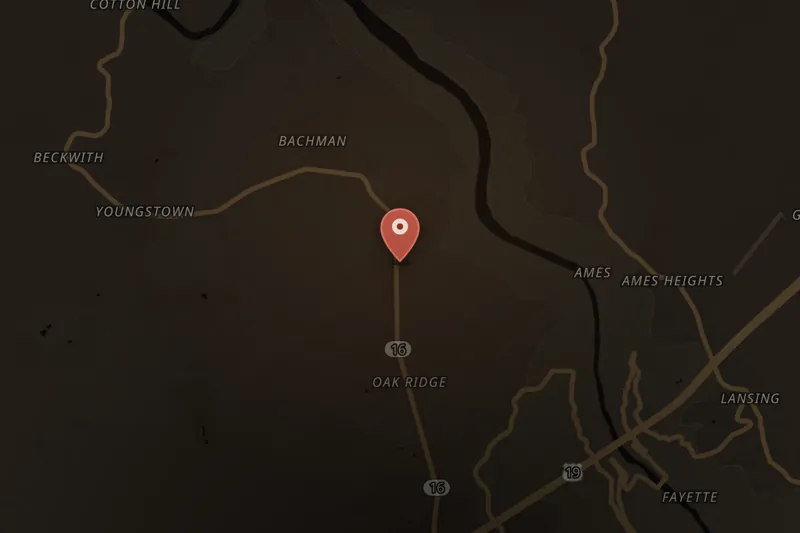
In the early hours of December 25, 1945, a fire destroyed the home of George and Jennie Sodder near Fayetteville, West Virginia. George, Jennie, and four of their nine children present that night escaped; five children — Maurice (14), Martha (12), Louis (9), Jennie (8), and Betty (5) — were never seen again and no confirmed remains were recovered. The Fayetteville fire department, led by Chief F.J. Morris, concluded the fire was accidental, caused by faulty wiring, a finding echoed by a local coroner's inquest the next day. Death certificates for the five children were issued on December 30, 1945, and a funeral was held January 2, 1946, though George and Jennie did not attend.
The family soon began questioning the official account. They noted the Christmas lights had stayed on during the fire's early stages, found the missing escape ladder discarded some distance from the house, and were told by a telephone repairman that the phone line had been deliberately cut rather than burned. Neither of George's work trucks would start that night despite functioning normally the day before. The family also cited threats George had received over his public criticism of Italian dictator Benito Mussolini, including a warning from a life insurance salesman — who later sat on the coroner's jury — that the house would burn and the children would be "destroyed." A private investigator, C.C. Tinsley, later found rumors that Chief Morris had secretly buried a metal box purportedly containing a child's heart recovered from the ashes; when George and Tinsley exhumed and examined the contents with a funeral director, it proved to be unburned beef liver.
In 1949, a supervised excavation of the fire site, arranged with pathologist Oscar Hunter, recovered several small bone fragments. Smithsonian specialist Marshall T. Newman identified them as human lumbar vertebrae from a single individual aged roughly 16 to 22 at death — older than any of the missing children — showing no signs of fire exposure, and concluded they likely came from dirt George had used to fill the site rather than from the fire itself. The West Virginia Legislature held hearings in 1950, after which state officials declared the case closed; the FBI investigated a possible kidnapping for about two years without result.
Over subsequent decades the family pursued numerous tips, including reported sightings of the children, a 1967 photograph mailed anonymously that resembled an adult version of Louis, and theories that the Sicilian Mafia had arranged an arson-kidnapping in retaliation for George's anti-Mussolini remarks. The family erected a roadside billboard with photographs of the missing children and a reward offer, which stood from 1952 until shortly after Jennie's death in 1989. George Sodder died in 1969; Jennie in 1989. Their youngest daughter, Sylvia Sodder Paxton, continued publicizing the case until her death in 2021. Researchers and authors who have examined the case, including NPR's Stacy Horn and author George Bragg, have offered differing assessments, with some concluding the children most likely died in the fire and others noting unresolved anomalies in the physical evidence.


 SOLVEDListen