Background
The security situation of Syria's Jewish community had deteriorated from the late 1930s onward, amid rising Arab nationalism and pressure for independence from French colonial rule, culminating in Syrian independence in 1946. Following World War II, anti-Western and Arab nationalist sentiment increasingly took on an anti-Jewish character. Before and after the establishment of the State of Israel in 1948, Syrian Jews faced growing discrimination as the government adopted anti-Jewish measures, and Jews and their property were targeted in multiple attacks, including the 1947 Aleppo pogrom.
In March 1949, military officer Husni al-Za'im seized power in Syria in a coup. Syria subsequently signed an armistice with Israel, ending its participation in the 1948 Arab–Israeli War.
The Attack
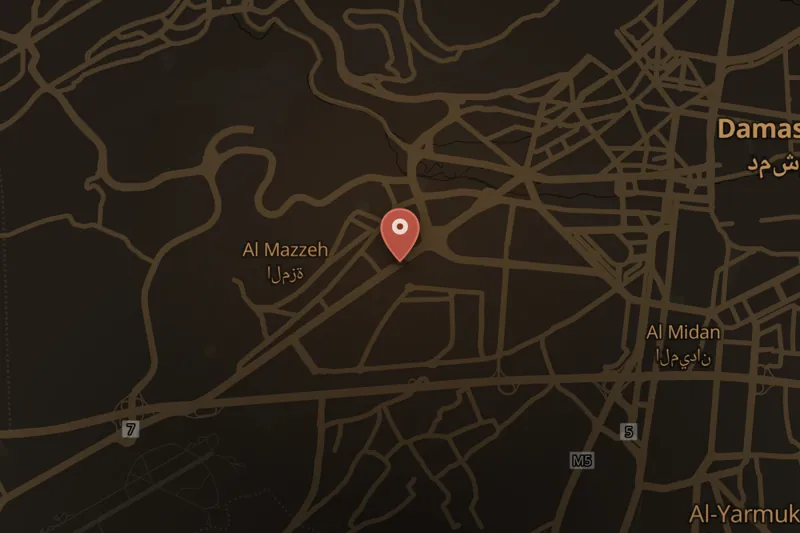
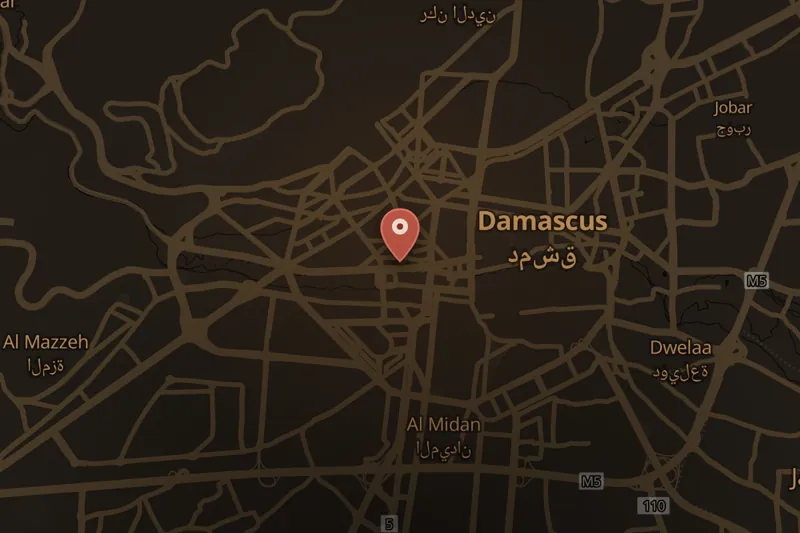
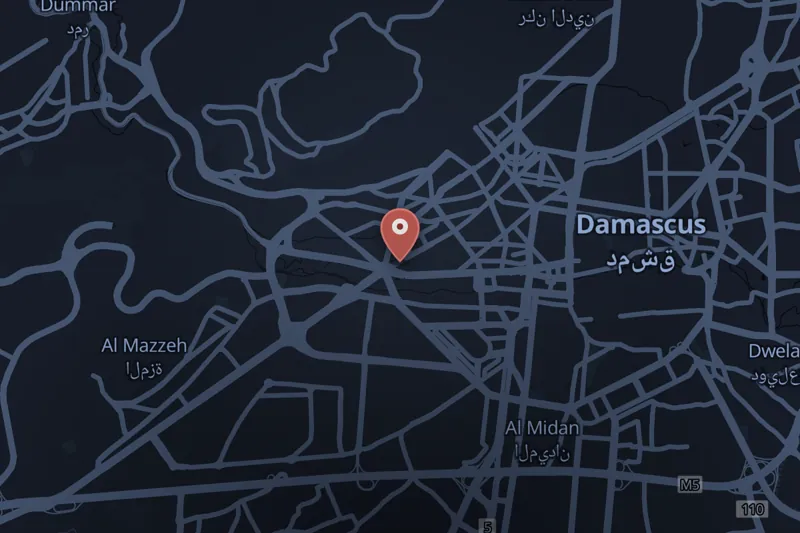
On Friday, 5 August 1949—Shabbat eve—several attackers threw hand grenades into the Menarsha Synagogue in the Jewish quarter of Damascus. The attack killed 12 Jews, eight of them children, and injured about 30 people. It occurred during the Lausanne Conference, where Syria and other Arab states bordering Israel were engaged in armistice talks with Israel; the Israel–Syria armistice agreement had been signed on 20 July 1949. A simultaneous attack also struck the Great Synagogue in Aleppo.
Reactions
Al-Za'im sent a personal representative to the site and ordered a legal investigation. Syrian Premier Muhsen Barazi visited the scene and characterized the bombing as an attack on the government. Israel formally protested to the United Nations Conciliation Commission for Palestine and warned the Syrian government that the attack could jeopardize the ongoing Lausanne talks.
Aftermath
The bombing was described as one of the worst violent acts against Jews in the Middle East since the end of World War II. Syrian authorities attributed the attack to an underground group called the Arab Redemption Suicide Phalange, or alternatively to Communists. According to the Associated Press, the bombing was believed to be the work of a small group of non-Communist, anti-Jewish Arabs opposed to the Syrian government, possibly aiming to foment opposition to al-Za'im and disrupt the peace talks—especially notable since al-Za'im had restored legal rights to Syrian Jews and appointed some to public office.
On 9 August 1949, a seventeen-year-old Syrian veteran of the 1948 war confessed that he and two associates carried out the attack. By 11 August, Syrian authorities had arrested 11 youths, including several high school students. President al-Za'im ordered the execution of those accused, but he was himself overthrown and executed days later in a coup led by Colonel Sami al-Hinnawi. On 18 August, more than 200 prisoners, including three of those accused in the bombing, were released from Syrian jails. In 1950, the remaining suspects were acquitted for lack of evidence.

 UNSOLVEDListen