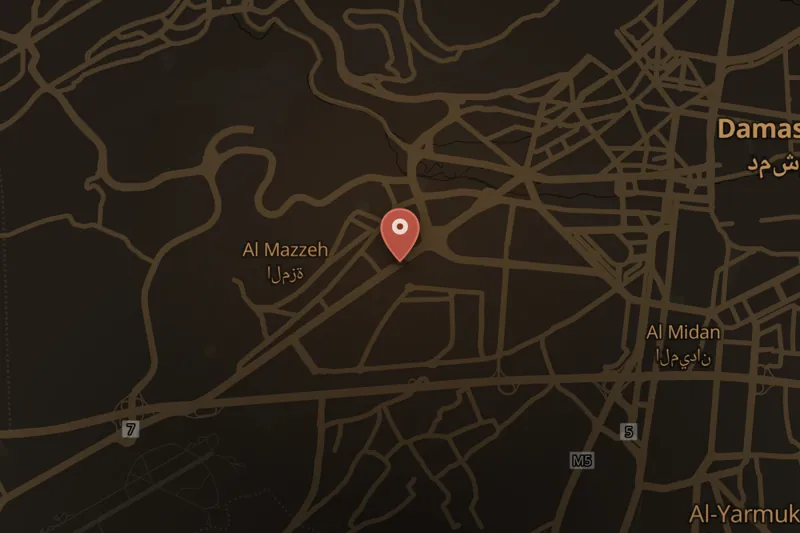
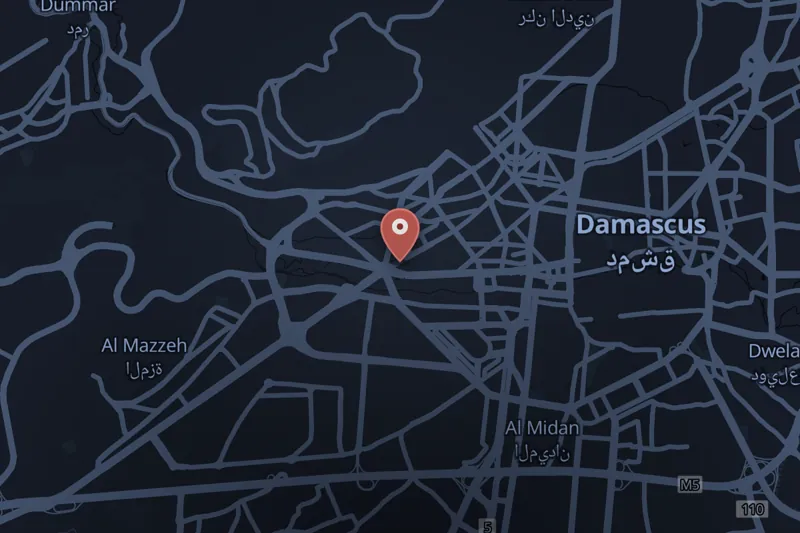
On 1 April 2024, Israel conducted an airstrike on the Iranian embassy complex in Damascus, Syria, destroying the building housing its consular section. The strike occurred amid heightened tension between Israel and Iran, against the backdrop of the Gaza war and the Israel–Hezbollah conflict, and is described as the beginning of the 2024 Iran–Israel conflict.
Sixteen people were killed, including seven IRGC soldiers, five Iran-backed militiamen, one Hezbollah fighter, one Iranian advisor, and two Syrian civilians (a woman and her child). The apparent primary target, IRGC Quds Force commander in Syria and Lebanon Brigadier General Mohammad Reza Zahedi, was killed, along with his deputy Brigadier General Mohammad Hadi Haji Rahimi and several other named Iranian personnel. Zahedi was the most senior IRGC officer killed since the U.S. assassination of Qasem Soleimani in January 2020.
The targeted building was a five-storey consular annex adjacent to the main Iranian embassy, which also served as the residence of the Iranian ambassador, Hossein Akbari. Akbari was not in the residence at the time and survived; he stated the building "was targeted with six missiles from Israeli F-35 warplanes." The Guardian attributed the strike to Israeli warplanes, and The New York Times reported that four Israeli officials anonymously confirmed Israeli responsibility. The Israeli government did not officially claim responsibility, and an Israeli military spokesman argued the building was "no consulate and no embassy" but a disguised military facility of the Quds Force. France 24 published images it said showed the building was indeed part of Iran's consular and embassy complex. An adjacent, unused Canadian embassy building, closed since 2012, was also damaged.
The attack was widely condemned internationally, with numerous governments and international bodies — including the Arab League, European Union, Gulf Cooperation Council, Organisation of Islamic Cooperation, and Shanghai Cooperation Organisation — describing it as a violation of international law. A UN-commissioned panel of legal experts concluded that Israel had provided no legal justification for the strike and had not reported it to the UN Security Council, finding it violated Article 2(4) of the UN Charter; the panel also found Iran's subsequent retaliation unlawful under the circumstances they described. Legal scholars noted that the Vienna Conventions on diplomatic and consular relations bind host states but do not explicitly address attacks by third states.
In Iran, large protests occurred in several cities, and Supreme Leader Ali Khamenei vowed a "harsh response." On 13 April 2024, Iran launched Operation True Promise, firing more than 300 drones, cruise missiles, and ballistic missiles at Israel from Iranian territory for the first time — described as the largest single drone attack in history. Israel stated its air defenses, aided by allies, intercepted nearly all the incoming weapons. The same day, Iran's IRGC Navy seized the Portuguese-flagged container ship MSC Aries in the Strait of Hormuz.

 UNSOLVEDListen


