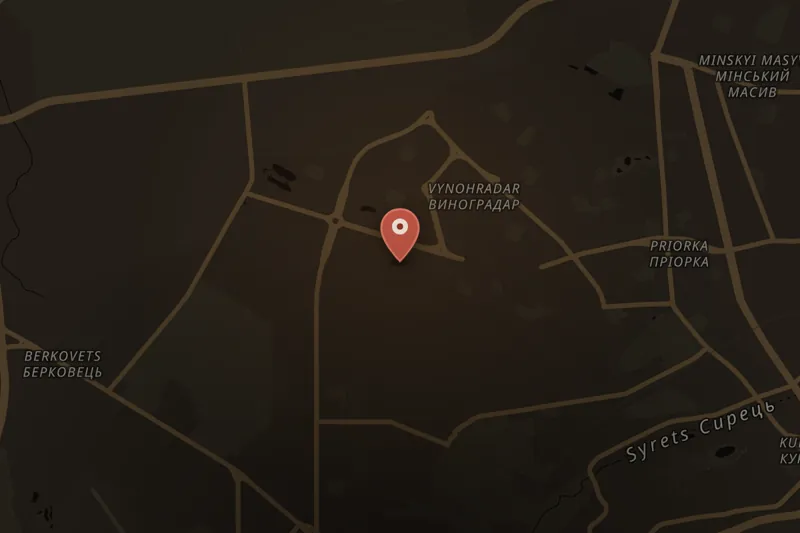
On the evening of 20 March 2022, around 10:45 pm, Russian Armed Forces bombed the Retroville shopping centre in Kyiv, Ukraine, during the early weeks of Russia's invasion of Ukraine, which had begun on 24 February 2022 with an offensive into Kyiv Oblast from Belarus, followed by a battle for the city beginning the next day.
The Retroville mall, completed in May 2020 and managed by Lithuanian investment company BT Invest, measured 120,334 cubic metres and covered an area of 86,000 square metres, housing more than 250 shops. Ukrainian emergency services received reports of a fire at the shopping centre at 22:48. The strike largely destroyed the mall along with its 12-storey business center, and caused damage to nearby cars, the Sport Life fitness club, and the business center. At least eight people were killed. Six of the dead were reported to be dressed in military fatigues, and one victim was Russian journalist Oksana Baulina. Kyiv mayor Vitali Klitschko announced that nearby buildings were badly damaged and confirmed the death toll.
The company headquarters of supermarket chain Novus, located in the business centre, was described as "almost completely destroyed." The chain's flagship supermarket, located within the shopping centre itself, also suffered collapsed ceilings and other structural damage.
Regarding the targeting of the site, the Russian Ministry of Defence stated that it launched the strike because the shopping centre was allegedly being used as cover to store and reload ammunition, including BM-21 Grad multiple rocket launchers, by the Armed Forces of Ukraine. The Ministry provided drone footage that it described as showing a Ukrainian Multiple Launch Rocket System (MLRS) firing and then moving back toward the shopping centre before being destroyed by a Russian missile.
The day after the strike, Ukrainian authorities detained a man whom they said had shared footage on TikTok in late February showing Ukrainian military vehicles parked near the shopping centre. Ukrainian authorities used the detention to warn citizens not to publish information about Ukrainian military movements.
This case remains documented within the broader context of the Russian invasion of Ukraine and is referenced alongside other wartime strikes, such as the 2022 Kremenchuk missile strike.


 Credit: Markv at Dutch WikipediaCC BY-SA 3.0SourceSOLVEDListen