Overview
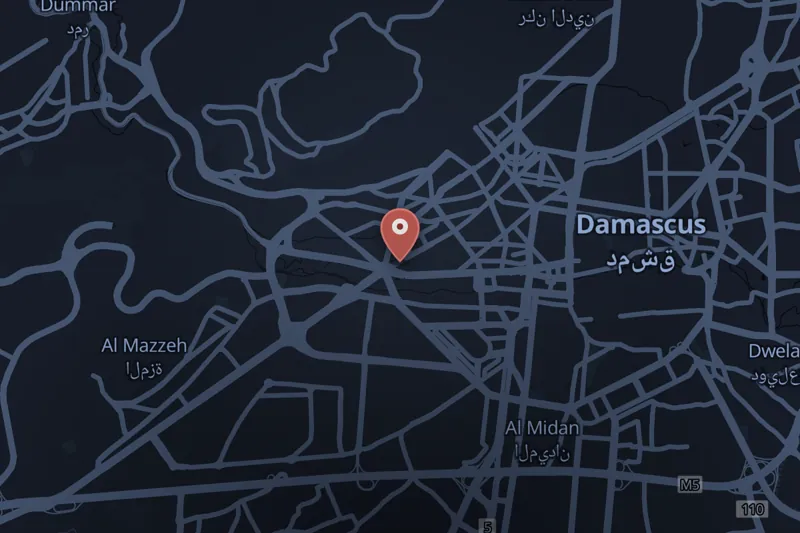
On 21 August 2013, during the Syrian civil war, rockets carrying the nerve agent sarin struck two opposition-controlled districts in the suburbs of Damascus known collectively as Ghouta. The attack is described as the deadliest use of chemical weapons in the Syrian conflict and since the Iran–Iraq War. Estimates of the death toll range from 281 to 1,729 people, with medical organizations reporting thousands of additional casualties suffering neurotoxic symptoms.
The Attacks
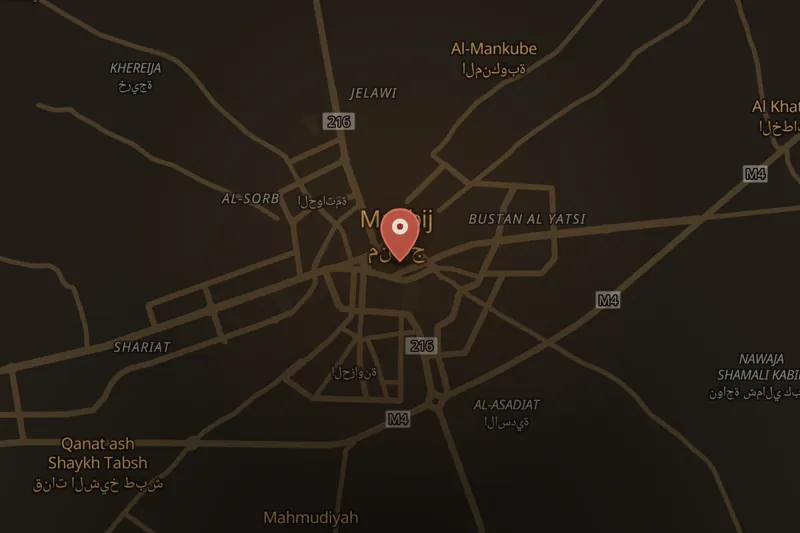
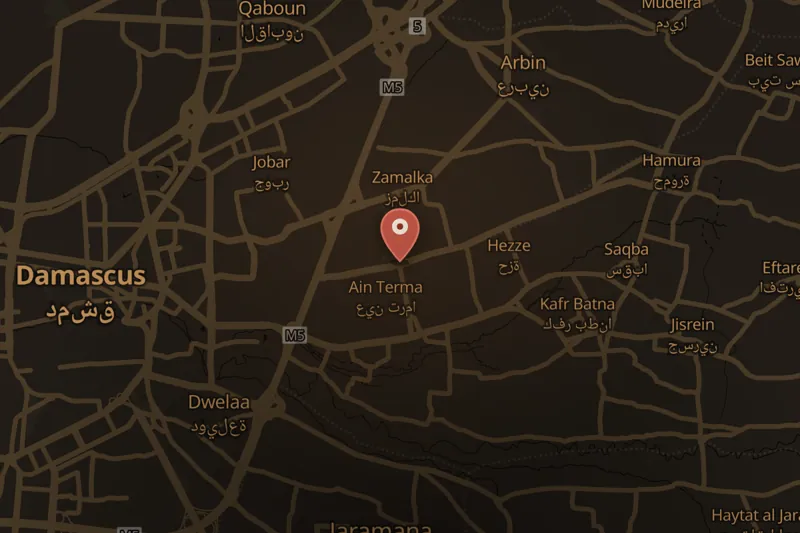
The first strike occurred around 2:30 a.m. in Eastern Ghouta, hitting the Zamalka and Ein Tarma neighborhoods with at least eight, and possibly twelve, rockets of an improvised type capable of carrying sarin. A second attack occurred around 5:00 a.m. in Western Ghouta, near Moadamiyah, where witnesses counted seven rockets striking near the Rawda Mosque and nearby streets. Environmental sampling later found sarin traces in the majority of samples taken from Eastern Ghouta, though none of the Western Ghouta samples tested positive for sarin, despite some showing degradation by-products.
Investigation and Findings
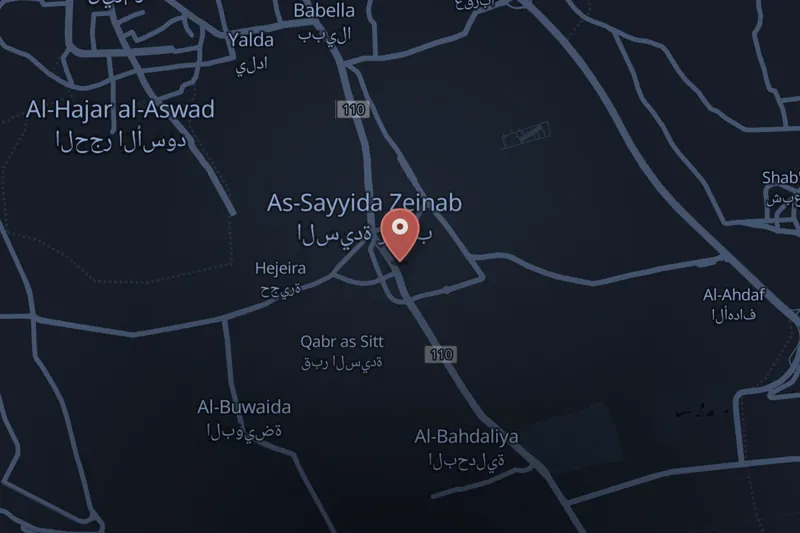
United Nations inspectors already in Syria to investigate an earlier alleged attack requested access to the Ghouta sites and, after negotiated ceasefires, visited Moadamiyah, Zamalka, and Ein Tarma between 26 and 29 August 2013. The UN investigation team's report, published 16 September 2013, found "clear and convincing evidence" that surface-to-surface rockets containing sarin were used in these areas. A subsequent 2014 UN Human Rights Council report found that the attack involved significant quantities of sarin in a "well-planned indiscriminate attack targeting civilian-inhabited areas," and that the sarin used bore the same "unique hallmarks" as sarin used in the earlier Khan al-Assal attack. The report indicated perpetrators likely had access to the Syrian military's chemical weapons stockpile.
The Syrian opposition, the Arab League, the European Union, and many governments attributed the attack to forces of Syrian President Bashar al-Assad. The Syrian and Russian governments blamed the opposition, with Russian officials describing it as a false-flag operation. Human Rights Watch stated that the quantities of sarin used suggested government responsibility, noting opposition forces were not known to possess significant amounts of the agent. Some allegations of a false-flag operation were raised by certain U.S. intelligence officials and journalist Seymour Hersh, though Hersh later stated in a 2025 documentary that his Syria reporting had been flawed.
Aftermath
The attack prompted debate in the United States, United Kingdom, and France over military intervention, which was ultimately averted when Syria agreed to a US–Russian negotiated deal to surrender its chemical weapons stockpile and join the Chemical Weapons Convention. Destruction of declared stockpiles began in October 2013 and was completed by August 2014, though a 2018 OPCW assessment found Syria had not declared or destroyed all of its chemical weapons capability. Further chemical attacks occurred in Syria in subsequent years, including at Khan Shaykhun in 2017 and Douma in 2018.

 Credit: UnknownCC BY-SA 3.0 DESourceUNSOLVEDListen