
Solved case
1953 Oujda revolt
An anti-colonial uprising against the French protectorate erupted in Oujda, Morocco, on August 16, 1953, part of the wider Revolution of the King and the People, leaving multiple dead and leading to the prosecution of 96 Moroccans.
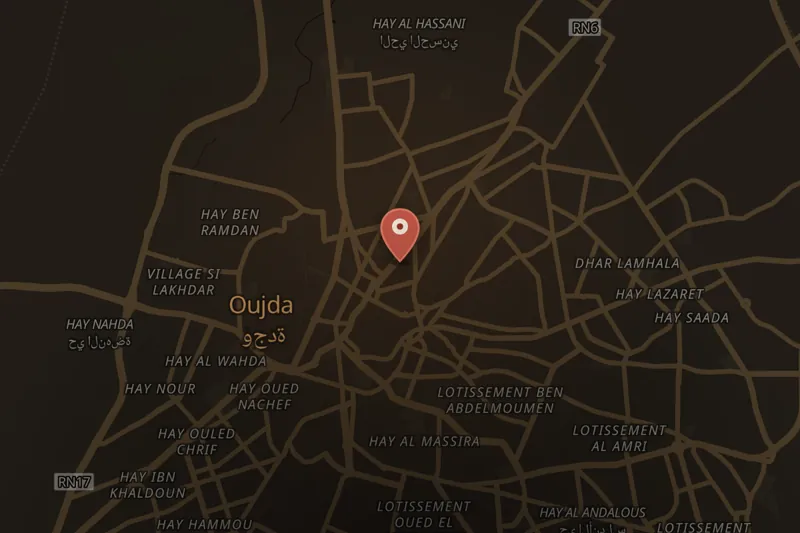
On August 16, 1953, an anti-colonial revolt took place in Oujda, Morocco, directed against the French protectorate authorities. The unrest occurred in the context of the broader Revolution of the King and the People, a period of resistance to French colonial rule in Morocco. The revolt came roughly ten days after an "electoral tour" procession led by Thami El Glaoui, a prominent Moroccan political figure who was campaigning to overthrow Sultan Muhammad V. The events in Oujda were followed the next day, August 17, 1953, by a second insurrection in the nearby town of Tafoughalt.
The events became known in French as "La tuerie d'Oujda" ("The Oujda massacre"), a name reflecting the violence that occurred during the unrest. Those killed during the revolt reportedly included European members of the "service d'ordre" (a public order/security force), Moroccans known to be supporters of Thami El Glaoui, and protesters involved in the uprising itself.
In the aftermath, French colonial authorities pursued legal action against Moroccan participants. Ninety-six Moroccans were prosecuted for their involvement in the revolt.
Key facts
- Victims
- On file
- Date
- 1953
- Location
- Oujda, Morocco
- Case status
- solved
Case timeline
1953-08-06
Thami El Glaoui conducts an "electoral tour" procession, campaigning to overthrow Sultan Muhammad V, approximately ten days before the Oujda revolt.
1953-08-16
The Oujda revolt occurs, an anti-colonial uprising against the French protectorate resulting in multiple deaths.
1953-08-17
A second insurrection takes place in Tafoughalt, the day after the Oujda revolt.
1954-11-30
Reported date of contemporaneous coverage (Le Monde archives) regarding the prosecution of 96 Moroccans for participation in the August 1953 events at Oujda.
Best coverage
No coverage has been attached to this file yet.
People
No public people records are attached yet.
Places
Common questions
- What happened to the victim?
- An anti-colonial uprising against the French protectorate erupted in Oujda, Morocco, on August 16, 1953, part of the wider Revolution of the King and the People, leaving multiple dead and leading to the prosecution of 96 Moroccans.
- Where did the crime happen?
- Oujda, Morocco.
- What is the current status of the case?
- Status: solved.
Related cases
View all cases
1948 anti-Jewish riots in Oujda and Jerada
Oujda and Jerada, French Morocco

2022 Melilla Incident
Melilla border fence, near Nador, Morocco/Spain

2003 Casablanca bombings
Casablanca, Morocco
Murders of Louisa Vesterager Jespersen and Maren Ueland
Foothills of Mount Toubkal near Imlil, Atlas Mountains, Morocco

2011 Marrakesh Bombing
Argana Cafe, Jemaa el-Fnaa, Marrakesh, Morocco
Death of Amina El Filali
Larache, Morocco
Sources
- ENCYCLOPEDIC1953 Oujda revoltWikipedia · 2026-07-07
- PRESSContemporaneous coverage of the Oujda revolt (August 16, 1953)maroc.ma · 2026-07-07
- PRESSNinety-six Moroccans prosecuted for participation in the killing that left thirty dead on August 16, 1953 in Oujda, go on triallemonde.fr · 2026-07-07
Record history
- First published
- JUL 07, 2026
When a file you follow changes — a new development, a correction, fresh coverage — the Dispatch is how you hear about it.
The Casepin Dispatch
A calm weekly briefing from the archive — one case worth understanding, meaningful updates to files you follow, and the best new coverage. You’ll also get the one-time note when the apps land. No gore, no rumor, no drip.