Casepin
Back to cases

Case file

2003 Casablanca bombings

SOLVED2003Casablanca, Morocco3 SOURCESUPDATED JUL 2026
Illustrative

On the evening of May 16, 2003, a coordinated series of suicide bombings struck Casablanca, Morocco. Twelve bombers, all from the Sidi Moumen slums and loyal to a network authorities termed Salafia Jihadia, detonated backpack bombs at the Casa de España restaurant, the Hotel Farah, the Jewish Alliance of Casablanca, a site near the Belgian consulate, and near an old Jewish cemetery. The attacks killed 33 victims and two police officers, along with 12 bombers, and injured more than 100 people. Although the bombers had deliberately targeted Jewish sites, no Jewish victims were killed because the attacks occurred during Shabbat, when the targeted buildings were largely empty.

The bombers emerged from a milieu of radical preachers active in Casablanca's shantytowns following the return of Moroccan veterans of the Afghan war. Investigators identified Abdelhak Bentassir, a shoemaker known as "Moul Sebbat," as the cell's self-proclaimed "national emir," who organized a pledge-of-allegiance ceremony among the bombers and served as a link to bomb-making expertise attributed to Saâd Houssaïni and Karim El Mejjati. Bentassir was arrested in Fez ten days after the attacks and died in police custody under disputed circumstances; authorities said an autopsy found he died of natural heart and liver failure, while his family disputed the timeline and circumstances of his detention. Al-Qaeda claimed responsibility for the Casablanca and Riyadh attacks in a video on June 21, 2003, and the attack was reportedly ordered by Abu Musab al-Zarqawi, who allegedly financed the cell.

Three surviving bombers — Mohamed Omari, Rachid Jalil, and Hassan Taoussi — were arrested within days and confessed to their roles. The investigation, led by Morocco's National Judicial Police Brigade, the Royal Gendarmerie, and the Directorate for Territorial Surveillance, resulted in more than 5,200 arrests and roughly 11,000 people questioned nationwide. A trial opened on July 21, 2003, at the Court of Appeal of Casablanca against 52 defendants. On August 19, 2003, the court delivered its verdicts: Omari, Jalil, Taoussi, and recruiter Yassine Lahnech were sentenced to death; 37 others received life sentences, 17 received thirty years, and 16 received twenty years. Radical preachers found to have influenced the bombers, including Zakaria Miloudi, Mohamed Fizazi, and Hassan Kettani, received sentences ranging up to life in prison. Some detainees held during the broader investigation alleged mistreatment at the Temara interrogation center, including beatings, electric shocks, and sleep deprivation; Morocco's justice minister denied that such treatment was widespread while acknowledging possible "lapses in judgement."

The bombings prompted Morocco to enact a broadened counterterrorism law on May 28, 2003, compared by critics to the USA Patriot Act, and led to a sustained crackdown resulting in more than 900 convictions nationally by 2004. The attacks also drew attention to conditions in Casablanca's slums, prompting a government "Cities without Slums" initiative the following year. A commemorative plaque was unveiled at Mohammed V Square in Casablanca in April 2004. In 2007, further suicide bombings struck Casablanca, after which the Sidi Moumen slum where the original bombers had lived was demolished.

Key facts

Victims
Hassan Karib, Abdelouahed El Khammal, Abdellatif Beggar, Ahmed Atef, Taïb El Khammal
Date
2003
Location
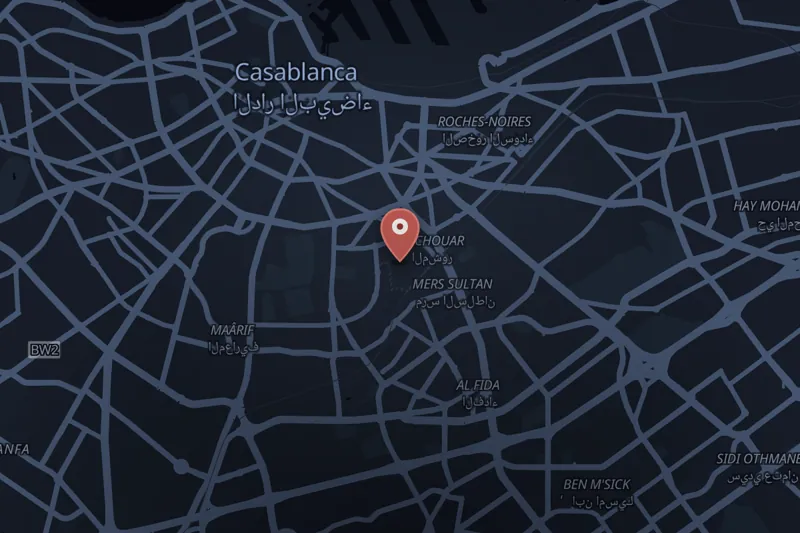
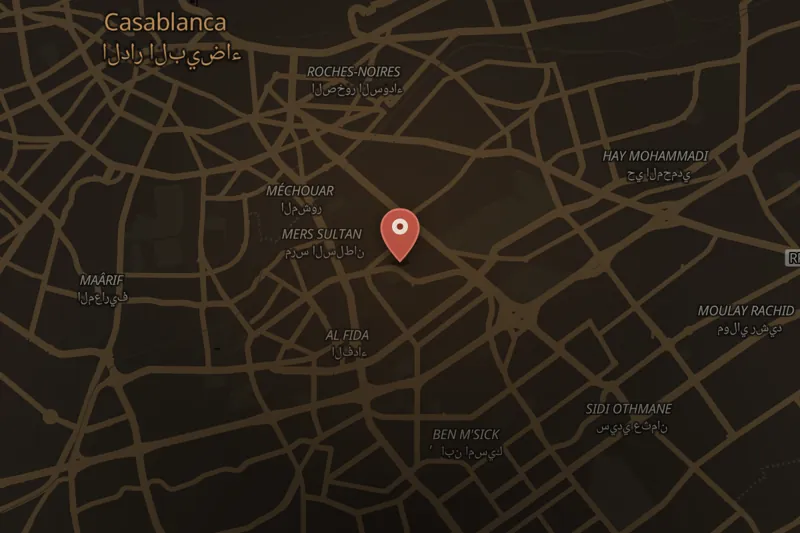
Casablanca, Morocco
Case status
solved

Case timeline

  1. 2003-05-16

    Twelve suicide bombers attack five sites in Casablanca, killing 33 victims and two police officers plus 12 bombers.

  2. 2003-05-18

    Surviving bomber Rachid Jalil is arrested at the Oued Mellah forest range after confessing bomber Mohamed Omari's statements led investigators to him.

  3. 2003-05-25

    Surviving bomber Hassan Taoussi is arrested in Berrechid.

  4. 2003-05-26

    Cell leader Abdelhak Bentassir is arrested in Fez; he later dies in police custody.

  5. 2003-05-28

    Morocco's House of Councillors votes in favor of a broadened counterterrorism law, law no. 03-03.

  6. 2003-06-21

    Al-Qaeda claims responsibility for the Casablanca and Riyadh attacks via video.

  7. 2003-07-21

    Trial begins at the Court of Appeal of Casablanca against 52 defendants.

  8. 2003-08-19

    Court delivers verdicts, including death sentences for four bombers/recruiters and prison terms for dozens of other defendants.

  9. 2004-04-24

    King Mohammed VI and Spanish Prime Minister José Luis Rodríguez Zapatero inaugurate a commemorative plaque in Mohammed V Square, Casablanca.

  10. 2007-03

    Bomb-maker Saâd Houssaïni is arrested near Sidi Maârouf.

  11. 2009-02-26

    Saâd Houssaïni is sentenced to 15 years in prison; Karim El Mejjati is sentenced to 20 years in absentia.

  12. 2020

    Saïd Mansour, extradited from Denmark, is sentenced to death by the Court of Appeal of Casablanca in connection with the attacks.

Best coverage

No approved coverage links are attached yet.

People

  • Saïd Mansour

    CONVICTED

    Extradited from Denmark; sentenced to death in 2020 by the Court of Appeal of Casablanca in connection with the attacks, later commuted to 25 years.

  • Yassine Lahnech

    CONVICTED

    Recruiter who set up a network of bombers for planned follow-on attacks; convicted and sentenced to death on August 19, 2003.

  • Karim El Mejjati

    CONVICTED

    GICM founder and bomb-making expert; sentenced in absentia to 20 years in prison in 2009.

  • Mohamed Abdelouahab Rafiqui

    CONVICTED

    Preacher sentenced to thirty years in prison for ideological influence on the attackers.

  • Hassan Karib

    VICTIM

    Security guard killed in the Hotel Farah bombing.

  • Hassan Taoussi

    CONVICTED

    Surviving suicide bomber; convicted and sentenced to death on August 19, 2003 for the attacks.

  • Hamidou Laânigri

    LAW ENFORCEMENT

    Director of the Directorate for Territorial Surveillance (DST), oversaw investigation into the attacks.

  • Abdelouahed El Khammal

    VICTIM

    Lawyer killed in the attacks along with his son.

  • Zakaria Miloudi

    CONVICTED

    Radical preacher and leader of As-Sirat al-Mustaqim; sentenced to life in prison for ideological influence on the attackers, died in prison in 2006.

  • Mahjoub Grimet

    CONVICTED

    Housed the terror cell; sentenced to thirty years in prison.

  • Saâd Houssaïni

    CONVICTED

    Bomb-maker; arrested in 2007 and sentenced in 2009 to 15 years in prison for terrorism offenses linked to the cell.

  • Abdelkrim Chadli

    CONVICTED

    Preacher sentenced to thirty years in prison for ideological influence on the attackers.

  • Hassan Kettani

    CONVICTED

    Preacher sentenced to thirty years in prison for ideological influence on the attackers.

  • Abdellatif Beggar

    VICTIM

    Former Raja AC footballer killed at the Casa de España restaurant.

  • Mohamed Fizazi

    CONVICTED

    Preacher sentenced to thirty years in prison for ideological influence on the attackers.

  • Mohamed Omari

    CONVICTED

    Surviving suicide bomber; convicted and sentenced to death on August 19, 2003 for the attacks.

  • Rachid Jalil

    CONVICTED

    Surviving suicide bomber; convicted and sentenced to death on August 19, 2003 for the attacks.

  • Hassan El Haski

    ACQUITTED

    GICM member acquitted in 2009 of charges relating to the Casablanca attacks by an anti-terrorism court in Salé; later sentenced on appeal to ten years in connection with the case.

  • Ahmed Atef

    VICTIM

    Hotel porter killed in the Hotel Farah bombing.

  • Abdelhak Bentassir

    CHARGED

    Alleged cell leader ('national emir'); arrested May 26, 2003, and died in police custody before trial under disputed circumstances.

  • Omar Haddouchi

    CONVICTED

    Preacher sentenced to thirty years in prison for ideological influence on the attackers.

  • Taïb El Khammal

    VICTIM

    Son of lawyer Abdelouahed El Khammal, killed in the attacks.

  • Abdellah Alaoui Belghiti

    LAW ENFORCEMENT

    King's general prosecutor for the Court of Appeal of Casablanca who led the prosecution.

Roles reflect public records and court outcomes at the time of writing — supporting citations are on file under Sources.

Places

Common questions

What happened to the victim?
On May 16, 2003, twelve suicide bombers linked to the Salafia Jihadia network detonated bombs at five sites in Casablanca, Morocco, killing 33 victims and two police officers along with 12 bombers, in the deadliest terrorist attack in Morocco's history.
Where did the crime happen?
Casablanca, Morocco.
Who was convicted?
Saïd Mansour (Extradited from Denmark; sentenced to death in 2020 by the Court of Appeal of Casablanca in connection with the attacks, later commuted to 25 years.), Yassine Lahnech (Recruiter who set up a network of bombers for planned follow-on attacks; convicted and sentenced to death on August 19, 2003.), Karim El Mejjati (GICM founder and bomb-making expert; sentenced in absentia to 20 years in prison in 2009.), Mohamed Abdelouahab Rafiqui (Preacher sentenced to thirty years in prison for ideological influence on the attackers.), Hassan Taoussi (Surviving suicide bomber; convicted and sentenced to death on August 19, 2003 for the attacks.), Zakaria Miloudi (Radical preacher and leader of As-Sirat al-Mustaqim; sentenced to life in prison for ideological influence on the attackers, died in prison in 2006.), Mahjoub Grimet (Housed the terror cell; sentenced to thirty years in prison.), Saâd Houssaïni (Bomb-maker; arrested in 2007 and sentenced in 2009 to 15 years in prison for terrorism offenses linked to the cell.), Abdelkrim Chadli (Preacher sentenced to thirty years in prison for ideological influence on the attackers.), Hassan Kettani (Preacher sentenced to thirty years in prison for ideological influence on the attackers.), Mohamed Fizazi (Preacher sentenced to thirty years in prison for ideological influence on the attackers.), Mohamed Omari (Surviving suicide bomber; convicted and sentenced to death on August 19, 2003 for the attacks.), Rachid Jalil (Surviving suicide bomber; convicted and sentenced to death on August 19, 2003 for the attacks.), and Omar Haddouchi (Preacher sentenced to thirty years in prison for ideological influence on the attackers.).
What is the current status of the case?
Status: solved.

Sources

  1. 2003 Casablanca bombingswikipedia · Wikipedia · 2026-07-07
  2. Contemporaneous coverage — The New York Timesnews · The New York Times · 2026-07-07
  3. Contemporaneous coverage — The Washington Postnews · The Washington Post · 2026-07-07