Casepin
Back to cases

Case file

1974 Nicaraguan Hostage Crisis

SOLVED1970Los Robles district, Managua, Nicaragua3 SOURCESUPDATED JUL 2026

Documents violence — written to inform, not to shock.

Illustrative

On the night of December 27, 1974, thirteen members of the Sandinista National Liberation Front (FSLN), led by Eduardo Contreras and including Germán Pomares, Leticia Herrera, and Joaquín Cuadra, stormed the Managua residence of José María "Chema" Castillo Quant, a Nicaraguan banker and former Agriculture Minister. The party was being held in honor of U.S. Ambassador Turner B. Shelton, who had left just minutes before the attack and avoided capture. During the initial assault, three guards at the gates were shot and killed, and Castillo himself was killed after reportedly reaching for a gun to resist.

The guerrillas seized approximately 20 prominent hostages, including Nicaragua's ambassador to the United States, Dr. Guillermo Sevilla-Sacasa (a brother-in-law of President Anastasio Somoza Debayle); UN delegate Guillermo Lang; Minister of the National District Luis Valle Olivares; Foreign Minister Alejandro Montiel Arguello; Infonac president Noel Pallais Debayle; businessman Franco Chamorro; the Chilean ambassador; and Castillo's American son-in-law, David Carpenter. The National Guard quickly cordoned off the house, and President Somoza, then in the United States, flew back to Nicaragua, declared martial law, and suspended constitutional guarantees.

Archbishop of Managua Miguel Obando y Bravo mediated between the guerrillas and the government. The FSLN demanded the release of about 40 political prisoners, a $1 million ransom, and safe passage out of the country. Over the course of the standoff, 17 hostages — including wives, maids, and musicians — were released, and negotiations eventually reduced the number of prisoners to be freed to 14. On the morning of December 30, Nicaraguan radio stations broadcast an 80-minute FSLN manifesto. After a 61-hour siege, the remaining 13 hostages were freed unharmed, and the guerrillas, together with the 14 released political prisoners — among them future Nicaraguan President Daniel Ortega, future National Union of Farmers and Ranchers head Daniel Núñez, future state security chief Lenin Cerna, and future opposition activist Jaime Cuadra — flew to Havana, accompanied by Archbishop Obando y Bravo and three other volunteer guarantors.

The raid significantly boosted the FSLN, which had been nearly destroyed by government forces earlier in the decade. Recruitment surged, and the movement's momentum contributed to the eventual collapse of the Somoza dynasty in 1979. Several raid participants later held senior positions in the Sandinista government, while Contreras and Pomares were killed in subsequent fighting before the takeover. Somoza was assassinated in Paraguay in 1980; in his memoirs he described the commandos as "trained killers" trained by Cuba. By the raid's tenth anniversary, the Sandinista government characterized the operation as a watershed moment in its revolutionary history, while many of the former hostages lived in exile.

Key facts

Victims
Guillermo Sevilla-Sacasa, José María "Chema" Castillo Quant, David Carpenter
Date
1970
Location
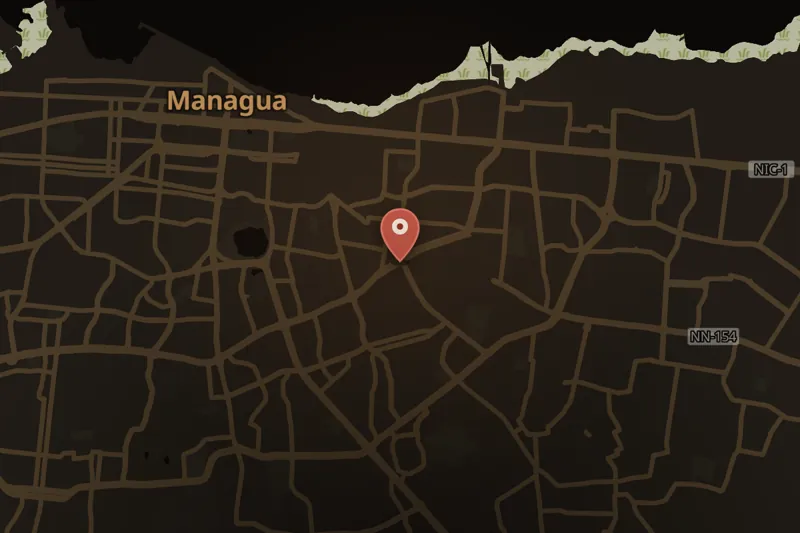
Los Robles district, Managua, Nicaragua
Case status
solved

Case timeline

  1. 1933

    Somoza dynasty begins ruling Nicaragua after General Anastasio Somoza García seizes power.

  2. 1970

    FSLN is nearly defunct after government crackdowns, prompting a multi-year rebuilding effort.

  3. 1974-12-27

    Thirteen FSLN guerrillas storm a Christmas party at José María Castillo Quant's Managua residence, killing three guards and Castillo, and taking about 20 hostages.

  4. 1974-12-28

    Seventeen hostages, including wives, maids, and musicians, are released during negotiations mediated by Archbishop Miguel Obando y Bravo.

  5. 1974-12-30

    FSLN manifesto broadcast on Nicaraguan radio; remaining 13 hostages freed after a 61-hour siege; guerrillas and 14 released political prisoners fly to Havana.

  6. 1980

    Anastasio Somoza Debayle is assassinated in Paraguay.

  7. 1984-12

    Sandinista government marks the 10th anniversary of the raid, portraying it as a watershed moment in its revolutionary struggle.

Best coverage

No approved coverage links are attached yet.

People

  • Eduardo Contreras

    CHARGED

    FSLN guerrilla who led the hostage-taking raid; not formally noted as convicted in source, described as leader of the operation.

    citation on file

  • Guillermo Sevilla-Sacasa

    VICTIM

    Nicaraguan Ambassador to the United States and brother-in-law of President Somoza; taken hostage and later released unharmed.

    citation on file

  • José María "Chema" Castillo Quant

    VICTIM

    Nicaraguan banker and former Agriculture Minister; killed by guerrillas during the initial assault on his residence.

    citation on file

  • David Carpenter

    VICTIM

    American son-in-law of José María Castillo Quant; taken hostage and later released unharmed.

    citation on file

Places

Common questions

What happened to the victim?
On December 27, 1974, thirteen Sandinista guerrillas stormed a Christmas party in Managua, killing three guards and the host, and taking roughly 20 hostages including senior Nicaraguan officials. After a 61-hour siege, the government freed 14 political prisoners and paid a $1 million ransom in exchange for the hostages' release and the guerrillas' safe passage to Cuba.
Where did the crime happen?
Los Robles district, Managua, Nicaragua.
What is the current status of the case?
Status: solved.

Sources

  1. 1974 Nicaraguan hostage crisiswikipedia · Wikipedia · 2026-07-07
  2. Guerrillas Kill 3 at Party, Seize Key Nicaraguansnews · The New York Times · 2026-07-07
  3. Foreign Relations of the United States, 1969–1976, Volume E–11, Part 1, Document 248news · history.state.gov · 2026-07-07