In late August and September 1999, the Russian Air Force launched a sustained bombing campaign against the Chechen Republic of Ichkeria. The operation was described as a prelude to the main phase of the Second Chechen War, with Russian officials stating the aim was to eliminate militants who had invaded the neighboring region of Dagestan the previous month. Russian Air Force commander Anatoly Kornukov drew comparisons between the campaign in Chechnya and NATO's contemporaneous bombing of Yugoslavia.
On August 26, 1999, Russia officially acknowledged carrying out bombing raids in Chechnya, with aircraft striking targets in Serzhen-Yurt, Benoy, and along the Vedeno gorge. To build domestic political support for the campaign, Russia's Federal Security Service (FSB) released a videotape purporting to show Chechen militants committing atrocities against Russian soldiers. A member of the State Duma's defense committee was quoted as saying strikes should continue until Chechen President Aslan Maskhadov acknowledged that only civilians remained.
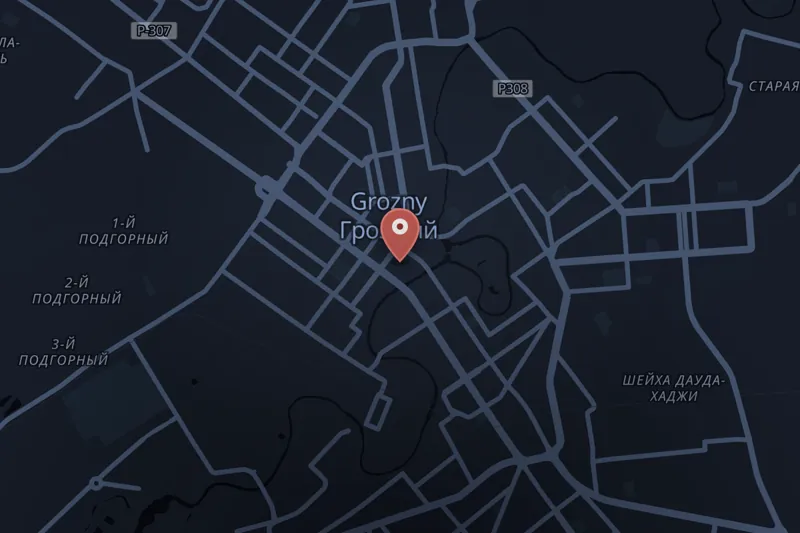
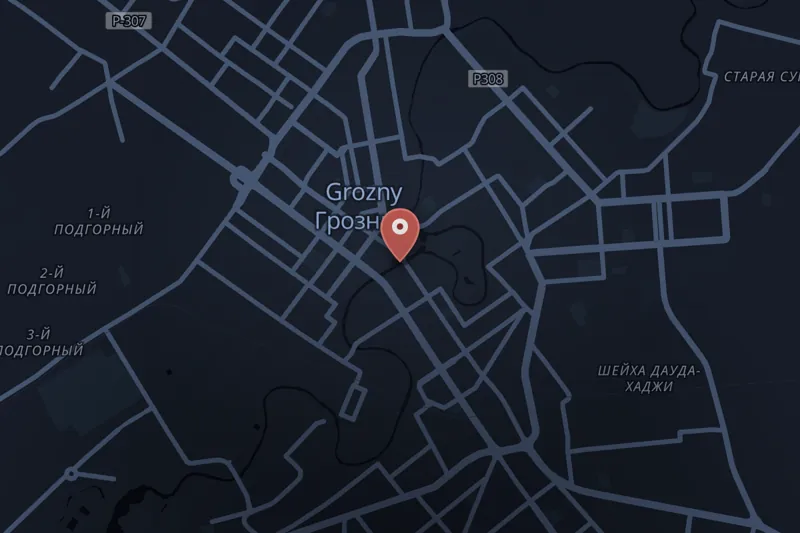
The campaign escalated on September 23, 1999, when Russia launched the first in a series of missile attacks on the Chechen capital, Grozny. The initial target was Grozny's Sheikh Mansur (Severny) Airport, located roughly two kilometers from the city center. The strikes ignited fuel depots and struck the Grozny oil refinery, shrouding the capital in smoke. Over the following two days of air attacks on the city, at least 31 people were killed and more than 60 injured. On September 27, 1999, a further round of bombing raids on Grozny killed at least 42 people and injured more than 200.
By September 25, 1999, Russian warplanes had flown at least 1,700 sorties since the campaign began. Russian military command claimed to have destroyed 150 military bases, 30 bridges, 80 vehicles, and six radio transmitters, and to have mined 250 kilometers of mountain roads. In early October 1999, Maskhadov stated that 60 to 70 percent of Chechnya's bridges had been destroyed.
The bombing severely damaged Chechnya's civilian infrastructure, crippling its stationary and mobile telephone networks, striking the regional television station, and cutting electricity supplies — further hampering the Chechen administration's ability to communicate publicly during the conflict. The strikes were reported to have killed hundreds of civilians and forced at least 100,000 people to flee their homes. The neighboring region of Ingushetia appealed for United Nations assistance to cope with the influx of refugees. On October 2, 1999, Russia's Ministry of Emergency Situations acknowledged that 78,000 people had fled the air strikes, most heading toward Ingushetia at a rate of 5,000 to 6,000 people per day.

 UNSOLVEDListen