Casepin
Back to cases

Case file

Višegrad massacres

SOLVED1992Višegrad, Bosnia and Herzegovina3 SOURCESUPDATED JUL 2026

Documents violence · sexual violence · crimes against children · torture — written to inform, not to shock.

Illustrative

Overview

The Višegrad massacres refer to a series of mass killings carried out against the Bosniak civilian population of the town and municipality of Višegrad, in eastern Bosnia and Herzegovina, during the spring and summer of 1992, at the outset of the Bosnian War. The killings were committed by Republika Srpska police, military forces (the Army of Republika Srpska), and associated paramilitary groups, including groups referred to as the "White Eagles" and "Avengers." The International Criminal Tribunal for the former Yugoslavia (ICTY) described Višegrad as having been subjected to "one of the most comprehensive and ruthless campaigns of ethnic cleansing in the Bosnian conflict." According to ICTY documents based on victims' reports, approximately 3,000 Bosniaks were killed in Višegrad and its surroundings, including roughly 600 women and 119 children. The Research and Documentation Center in Sarajevo recorded 1,661 Bosniaks — both soldiers and civilians — killed or missing in Višegrad.

Course of events

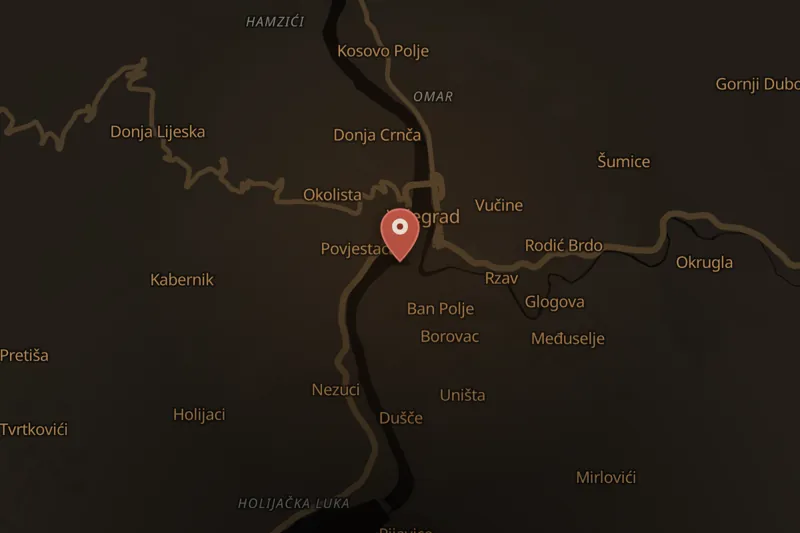
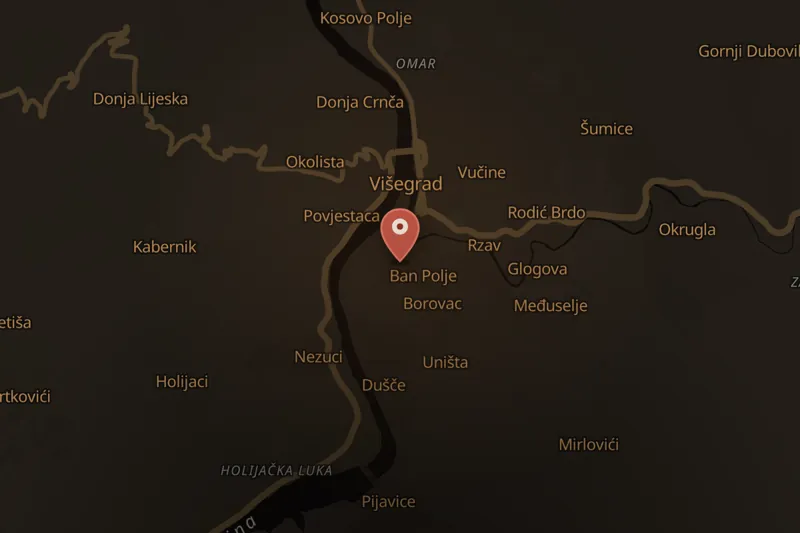
Yugoslav People's Army (JNA) forces occupied Višegrad on 6 April 1992 following several days of fighting, and a Serbian Municipality of Višegrad was established. After the JNA officially withdrew on 19 May 1992, local Serb forces, police, and paramilitaries began a campaign to permanently remove the town's Bosniak population. Non-Serbs lost their jobs, and killings escalated. Civilians were shot on and thrown from the Mehmed Paša Sokolović Bridge and a newer bridge into the Drina river on a daily basis. Documented incidents include the killing of seven men at the Varda factory on 10 June 1992; a mass killing of 22 people on 18 June 1992; the Pionirska Street fire on 14 June 1992, in which around 70 people were locked in a house that was set ablaze, killing 59; the Bikavac fire on 27 June 1992, in which at least 60 people were burned alive; the Paklenik massacre of around 50 men on 14–15 June 1992; the Bosanska Jagodina massacre of 17 men on 26 May 1992; and the Barimo massacre of 26 civilians in August 1992. Detention and rape occurred at sites including the Uzamnica barracks and the Vilina Vlas hotel. Both mosques in the town were destroyed.

In 2010, lowered water levels at the Perućac reservoir, behind the Bajina Bašta dam, allowed recovery of hundreds of victims' remains from the Drina; officials associated with the Bosnian Institute for Missing Persons described the lake as potentially containing over 2,000 bodies.

Accountability

The ICTY indicted Milan Lukić, Sredoje Lukić, and Mitar Vasiljević in 1996 for persecution as a crime against humanity and extermination. Milan Lukić was convicted and sentenced to life imprisonment; Sredoje Lukić received 30 years, reduced to 27 on appeal; Mitar Vasiljević received 20 years, reduced to 15 on appeal. Other individuals were convicted by the Court of Bosnia and Herzegovina, including Boban Šimšić, Željko Lelek, Momir Savić, Nenad Tanasković, Novo Rajak, Dragutin Dragićević, and Đorđe Šević, with varying sentences. Oliver Krsmanović has been charged but remains a fugitive.

Key facts

Victims
Zehra Turjačanin, Ibrišim Memišević, Ferid Spahić
Date
1992
Location
Višegrad, Bosnia and Herzegovina
Case status
solved

Case timeline

  1. 1992-04-06

    Yugoslav People's Army (JNA) occupies Višegrad after several days of fighting; Serbian Municipality of Višegrad formed.

  2. 1992-05-19

    JNA officially withdraws from Višegrad; local Serb forces, police and paramilitaries begin campaign of ethnic cleansing.

  3. 1992-05-26

    Bosanska Jagodina massacre: 17 male Bosniaks taken off a deportation bus and killed near Bosanska Jagodina.

  4. 1992-06-10

    Milan Lukić kills seven Bosniak men taken from the Varda factory, shot on the bank of the Drina river.

  5. 1992-06-14

    Pionirska Street fire: around 70 Bosniak civilians locked in a house, which is set ablaze; 59 killed. Also date of the start of the Paklenik massacre selection of victims.

  6. 1992-06-15

    Paklenik massacre: around 50 Bosniak men systematically executed by Višegrad Brigade soldiers, bodies dumped in the Propast ravine.

  7. 1992-06-18

    Group of 22 people killed, according to a 1993 UNHCR report from the Government of Bosnia and Herzegovina.

  8. 1992-06-27

    Bikavac fire: approximately 70 Bosniak civilians forced into a house that is set on fire; at least 60 killed.

  9. 1992-08

    Barimo massacre: Army of Republika Srpska burns Barimo village and kills 26 Bosniak civilians.

  10. 1996

    ICTY indicts Milan Lukić, Sredoje Lukić and Mitar Vasiljević for persecution and extermination as crimes against humanity.

  11. 2006

    Mass grave containing remains of Bosanska Jagodina massacre victims discovered.

  12. 2010-07

    Lowered water levels at Perućac Lake begin revealing remains of massacre victims; recovery operations continue into September and October 2010.

Best coverage

No approved coverage links are attached yet.

People

  • Željko Lelek

    CONVICTED

    Convicted by the Court of Bosnia and Herzegovina for war crimes in Višegrad; sentenced to 13 years.

    citation on file

  • Boban Šimšić

    CONVICTED

    Convicted by the Court of Bosnia and Herzegovina for war crimes in Višegrad; sentenced to 14 years.

    citation on file

  • Novo Rajak

    CONVICTED

    Convicted for war crimes in Višegrad; sentenced to 14 years.

    citation on file

  • Sredoje Lukić

    CONVICTED

    Convicted by the ICTY; sentenced to 30 years, reduced to 27 years on appeal.

    citation on file

  • Milan Lukić

    CONVICTED

    Convicted by the ICTY of persecution and extermination as crimes against humanity; sentenced to life imprisonment.

    citation on file

  • Đorđe Šević

    CONVICTED

    Convicted; sentenced to 15 years for war crimes connected to the Višegrad massacres.

    citation on file

  • Nenad Tanasković

    CONVICTED

    Convicted for war crimes in Višegrad; sentenced to 12 years, reduced to 8 years on appeal.

    citation on file

  • Zehra Turjačanin

    VICTIM

    Survivor of the Bikavac fire of 27 June 1992, who testified before the ICTY about the burning of civilians inside a house.

    citation on file

  • Dragutin Dragićević

    CONVICTED

    Serving a 20-year sentence for war crimes connected to the Višegrad massacres.

    citation on file

  • Momir Savić

    CONVICTED

    Convicted for war crimes in Višegrad; sentenced to 18 years.

    citation on file

  • Ibrišim Memišević

    VICTIM

    One of seven Bosniak men shot by Milan Lukić on the bank of the Drina river on 10 June 1992; his wife and daughter witnessed the killing.

    citation on file

  • Ferid Spahić

    VICTIM

    Sole survivor of the Paklenik massacre; testified as a key witness in related ICTY cases.

    citation on file

  • Mitar Vasiljević

    CONVICTED

    Convicted by the ICTY of crimes against humanity; sentenced to 20 years, reduced to 15 years on appeal.

    citation on file

  • Oliver Krsmanović

    CHARGED

    Sentenced to 20 years in absentia; remains a fugitive.

    citation on file

Places

Common questions

What happened to the victim?
In spring and summer 1992, Republika Srpska police, military and paramilitary forces killed thousands of Bosniak civilians in and around Višegrad, Bosnia and Herzegovina, in one of the earliest and most comprehensive campaigns of ethnic cleansing of the Bosnian War.
Where did the crime happen?
Višegrad, Bosnia and Herzegovina.
Who was convicted?
Željko Lelek (Convicted by the Court of Bosnia and Herzegovina for war crimes in Višegrad; sentenced to 13 years.), Boban Šimšić (Convicted by the Court of Bosnia and Herzegovina for war crimes in Višegrad; sentenced to 14 years.), Novo Rajak (Convicted for war crimes in Višegrad; sentenced to 14 years.), Sredoje Lukić (Convicted by the ICTY; sentenced to 30 years, reduced to 27 years on appeal.), Milan Lukić (Convicted by the ICTY of persecution and extermination as crimes against humanity; sentenced to life imprisonment.), Đorđe Šević (Convicted; sentenced to 15 years for war crimes connected to the Višegrad massacres.), Nenad Tanasković (Convicted for war crimes in Višegrad; sentenced to 12 years, reduced to 8 years on appeal.), Dragutin Dragićević (Serving a 20-year sentence for war crimes connected to the Višegrad massacres.), Momir Savić (Convicted for war crimes in Višegrad; sentenced to 18 years.), and Mitar Vasiljević (Convicted by the ICTY of crimes against humanity; sentenced to 20 years, reduced to 15 years on appeal.).
What is the current status of the case?
Status: solved.

Sources

  1. Višegrad massacreswikipedia · Wikipedia · 2026-07-07
  2. Contemporaneous coverage — The Guardiannews · The Guardian · 2026-07-07
  3. Contemporaneous coverage — BBC Newsnews · BBC News · 2026-07-07