Background
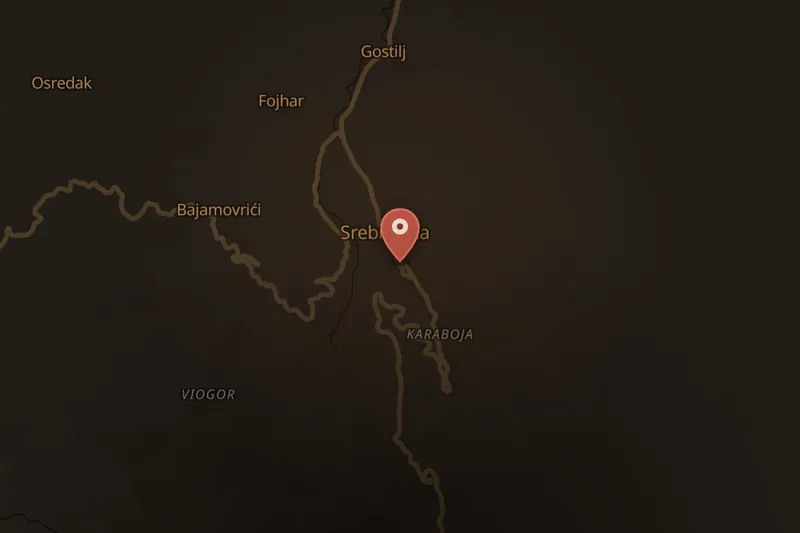
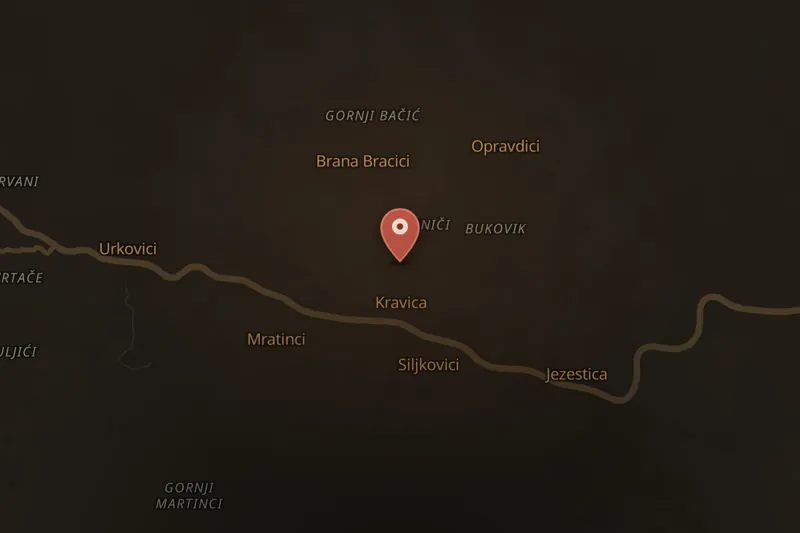
Srebrenica was a Bosnian Muslim (Bosniak) enclave in eastern Bosnia that was easily targeted by artillery due to its exposed location. The VRS overran the town in April 1992, but Muslim irregulars recaptured it in May. Over the following winter, Srebrenica was used as a base for Muslim guerrilla activity against nearby Serb settlements, which in turn provoked VRS retaliation. After Bosnian Muslim forces attacked the Serb village of Kravica in January 1993, the VRS launched a counter-offensive that captured Konjević Polje and Cerska, severing the Srebrenica–Žepa link and shrinking the enclave to about 150 km². Thousands of displaced Muslims fled to the town, swelling its population to 50,000–60,000, while the VRS blockaded humanitarian aid convoys.
On 12 March 1993, UNPROFOR commander Philippe Morillon told residents they were under UN protection and pledged never to abandon them, after being held by residents until he made this commitment. Between March and April, the UNHCR evacuated 8,000–9,000 Bosnian Muslims from the town, a move the Bosnian government opposed as contributing to ethnic cleansing. In early April 1993, Bosnian Serb forces demanded, through the UNHCR, the surrender of the Bosnian government within 48 hours and required UN forces to assist the VRS—commanded by Ratko Mladić—in evacuating and disarming more than 60,000 people in the enclave.
The shelling
On 12 April 1993, the VRS carried out two short artillery bombardments on Srebrenica, killing 56 people and seriously wounding 73. Shells struck densely packed streets. Fourteen children's bodies were found on a school playground hit by a shell around 3 p.m., according to Human Rights Watch; the ICTY recorded a total of 15 civilian casualties at that site. The attack followed the suspension of cease-fire talks and came only hours before NATO was set to implement a UN-mandated no-fly zone. VRS officials had previously warned UNHCR representatives that the town would be shelled within two days unless it surrendered. The UN initially reported the shelling as retaliation for a Muslim attack but later retracted this claim for lack of evidence. UNPROFOR's response to the attack has been criticized as ineffective.
American journalist Chuck Sudetic interviewed Bosnian Army doctor Nedret Mujkanović, who treated victims and reported 36 dead at the scene and 102 seriously wounded at the playground, describing seven rockets landing within about a minute in an area roughly half the size of a football field.
Aftermath and legacy
On 16 April 1993, the UN declared Srebrenica a "safe zone," extending similar protection to the enclaves of Žepa and Goražde. A photograph of injured boy Sead Bekrić became widely publicized, appearing on the cover of Newsweek, and led to his evacuation being funded by a Croatian-American couple. The 12 April shelling was cited in the ICTY's initial indictment against Radovan Karadžić and Ratko Mladić, issued 24 July 1995, as part of a charge concerning the shelling of civilian gatherings. Both men were later convicted by the ICTY of genocide and other crimes; Mladić died in a UN prison hospital in The Hague on 27 August 2026, still serving his life sentence.


 SOLVEDListen