Active case
Skelani attack

During the Bosnian War, the Army of Republika Srpska (VRS) besieged the Bosniak-held Srebrenica enclave, cutting off international humanitarian aid and causing severe food shortages that peaked in the winter of 1992–1993. In response to this starvation, Bosnian Muslim (ARBiH) forces occasionally raided nearby Serb villages in search of food.
On 16 January 1993, ARBiH soldiers, allegedly led by Naser Orić, attacked the villages of Skelani, a cluster of settlements in the Srebrenica region held by Bosnian Serb forces. According to findings referenced from the International Criminal Tribunal for the former Yugoslavia (ICTY), the Bosnian Muslim forces advanced almost to the border with Serbia before being stopped about a kilometer inside Skelani, due to an intervention by the Yugoslav Army and Territorial Defense units from the Užice Corps. During the attack, some Bosniak forces reportedly fired on Serb civilians who were fleeing across the border toward Bajina Bašta, Serbia.
Serbian sources describe dozens of Serb deaths in the attack, with reported figures ranging from about a dozen to 40, or as high as 65 killed, and around a hundred people wounded. These sources also claim that approximately 30 people were taken prisoner and beaten, and that two children were killed. The victims are alleged to have been civilians from Skelani village and its surrounding hamlets of Ćosići, Žabokvica, Toplica, and Kalimanići, in the wider Srebrenica region.
In 2005, the Government of Republika Srpska erected a monument in the village of Skelani commemorating 305 Serb victims, whom the monument's inscription describes as civilians killed during the 1992–1995 war. The monument states that 32 children were among those killed. This memorial reflects a broader wartime death toll attributed to the region rather than solely to the events of 16 January 1993.
The available record reflects two distinct framings of the event: an ICTY-derived account situating the attack within the wider siege of Srebrenica and the desperate conditions faced by its besieged population, and a Serbian narrative emphasizing civilian casualties among Serb villagers. The competing casualty figures — ranging from roughly a dozen to 65 killed — have not been reconciled in the available sourcing. No individual has been named as convicted, charged, acquitted, or exonerated specifically in connection with the Skelani attack in the material reviewed; the ICTY judgments referenced (concerning Radovan Karadžić and Naser Orić) address broader campaigns and command responsibility rather than a discrete adjudication of this single incident in the sources reviewed here.

Key facts
- Victims
- On file
- Date
- 1993
- Location
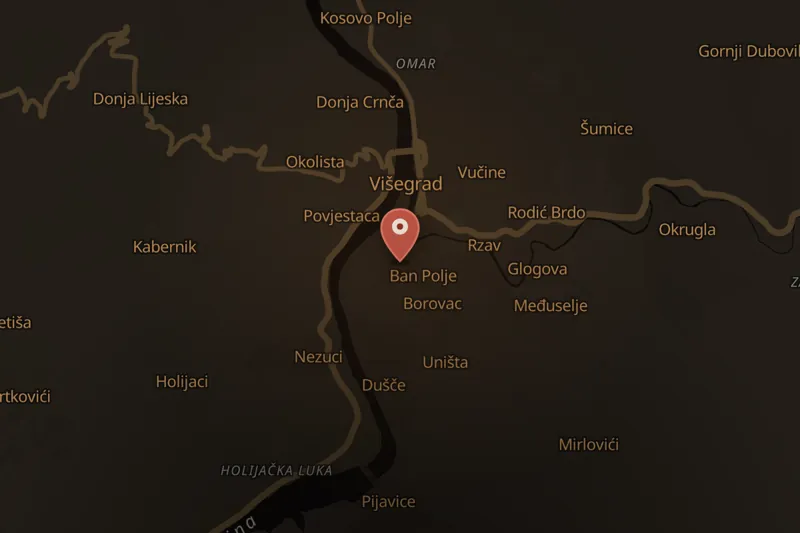
- Skelani, Srebrenica region, Bosnia and Herzegovina
- Case status
- unsolved
Case timeline
1992-04
Serb military assaults on the Srebrenica area begin, including artillery attacks, sniper fire, and occasional aerial bombing, as the siege of Srebrenica develops.
1993-01-16
ARBiH forces attack the Serb-held villages of Skelani near Srebrenica; dozens of Serbs are reported killed before the advance is halted roughly a kilometer inside Skelani by Yugoslav Army and Territorial Defense intervention.
2005
The Government of Republika Srpska erects a monument in Skelani commemorating 305 Serb victims it says were killed during the 1992–1995 war.
2006-06-30
ICTY issues judgement in Prosecutor vs. Naser Orić.
2016-03-26
ICTY issues judgement in Prosecutor vs. Radovan Karadžić.
Best coverage
No approved coverage links are attached yet.
People
Naser Orić
CHARGEDAlleged by Serbian sources to have led the ARBiH forces that attacked Skelani on 16 January 1993; addressed in ICTY proceedings (Prosecutor vs. Naser Orić).
Roles reflect public records and court outcomes at the time of writing — supporting citations are on file under Sources.
Places
Common questions
- What happened to the victim?
- On 16 January 1993, Army of the Republic of Bosnia and Herzegovina (ARBiH) forces attacked the Serb-held villages of Skelani near Srebrenica, Bosnia and Herzegovina, killing dozens of Serbs amid a wartime food shortage in the besieged Srebrenica enclave.
- Where did the crime happen?
- Skelani, Srebrenica region, Bosnia and Herzegovina.
- What is the current status of the case?
- Status: unsolved.
Sources
- Skelani attackwikipedia · Wikipedia · 2026-07-07
- Prosecutor vs. Radovan Karadžić – Judgementnews · icty.org · 2026-07-07
- Skelani - spomenik u Skelanima (Skelani monument)news · srna.rs · 2026-07-07