Case file
Jalladkhana Killing Field

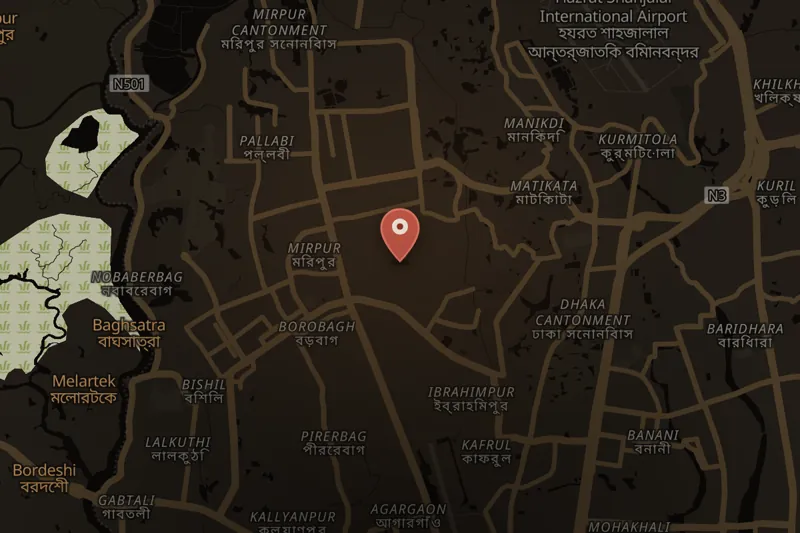
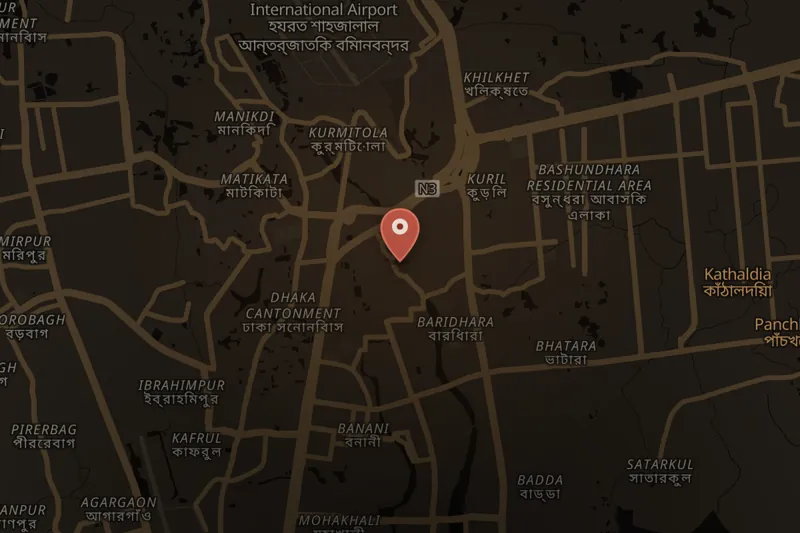
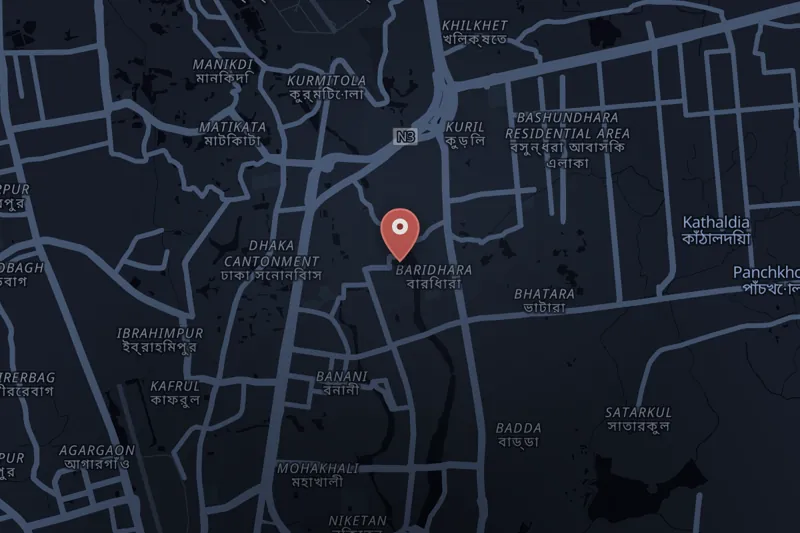
Jalladkhana Killing Field is a mass grave site located in Mirpur, Dhaka, that was used during the 1971 Bangladesh genocide. Following the Pakistan Army's launch of Operation Searchlight on March 25, 1971, aimed at suppressing the Bengali nationalist movement in what was then East Pakistan, the army was assisted by members of local Islamist groups and non-Bengali ethnic communities in the persecution of Bengali civilians.
Jalladkhana itself was an abandoned pump house in Mirpur that served as one of several killing fields during this period. Victims who had been detained in various parts of the city were brought to the site, where they were beheaded and their bodies thrown into a water well and several pits that had been dug out to serve as mass graves.
The scale of the killings at the site was not fully documented until decades later. In 1999, an excavation of the site unearthed 70 skulls and 5,392 bone fragments belonging to people of both genders and various ages. The excavation also recovered fragments of clothing and ornaments that had belonged to the victims, providing physical evidence of the atrocities committed at the location.
Legal accountability for crimes connected to the site came through Bangladesh's International Crimes Tribunal process. In 2013, Abdul Quader Molla, a leader of the Bangladesh Jamaat-e-Islami party, was convicted of crimes against humanity that included the execution of a victim, Khandakar Abu Taleb, at Jalladkhana in 1971. This charge was among five others for which he was convicted, and he was sentenced to capital punishment.
In recognition of the site's history, the Liberation War Museum, Bangladesh established a memorial and public exhibition at the location, which opened to the public on June 21, 2007. The site now serves as a place of public memory relating to the broader events of the Bangladesh Liberation War and the associated genocide of 1971.

Key facts
- Victims
- Khandakar Abu Taleb
- Date
- 1999
- Location
- Jalladkhana Killing Field, Mirpur
- Case status
- solved
Case timeline
1971-03-25
Pakistan Army launches Operation Searchlight, beginning a campaign against the Bengali nationalist movement in East Pakistan.
1971
Victims detained in Mirpur, Dhaka are brought to the Jalladkhana pump house, beheaded, and thrown into a well and mass grave pits, including the killing of Khandakar Abu Taleb.
1999
Excavation at the Jalladkhana site unearths 70 skulls and 5,392 bone fragments, along with clothing and ornament fragments belonging to victims.
2007-06-21
A memorial and public exhibition established by the Liberation War Museum, Bangladesh opens to the public at the site.
2013
Abdul Quader Molla is convicted by Bangladesh's International Crimes Tribunal of crimes against humanity, including the execution of Khandakar Abu Taleb at Jalladkhana in 1971, and is sentenced to capital punishment.
Best coverage
No approved coverage links are attached yet.
People
Khandakar Abu Taleb
VICTIMKilled at Jalladkhana in 1971; his execution formed one of the charges in the conviction of Abdul Quader Molla.
Abdul Quader Molla
CONVICTEDLeader of Bangladesh Jamaat-e-Islami convicted in 2013 by the International Crimes Tribunal, Bangladesh of crimes against humanity including the execution of Khandakar Abu Taleb at Jalladkhana in 1971; sentenced to capital punishment.
Roles reflect public records and court outcomes at the time of writing — supporting citations are on file under Sources.
Places
Common questions
- What happened to the victim?
- During the 1971 Bangladesh genocide, an abandoned pump house in Mirpur, Dhaka known as Jalladkhana was used by the Pakistan Army and local collaborators as a killing site where detained victims were beheaded and thrown into a well and mass graves.
- Where did the killing happen?
- Jalladkhana Killing Field, Mirpur.
- Who was convicted?
- Abdul Quader Molla (Leader of Bangladesh Jamaat-e-Islami convicted in 2013 by the International Crimes Tribunal, Bangladesh of crimes against humanity including the execution of Khandakar Abu Taleb at Jalladkhana in 1971; sentenced to capital punishment.).
- What is the current status of the case?
- Status: solved.
Sources
- Jalladkhana Killing fieldwikipedia · Wikipedia · 2026-07-07
- Contemporaneous coverage — thedailystar.netnews · thedailystar.net · 2026-07-07
- Contemporaneous coverage — thehindu.comnews · thehindu.com · 2026-07-07