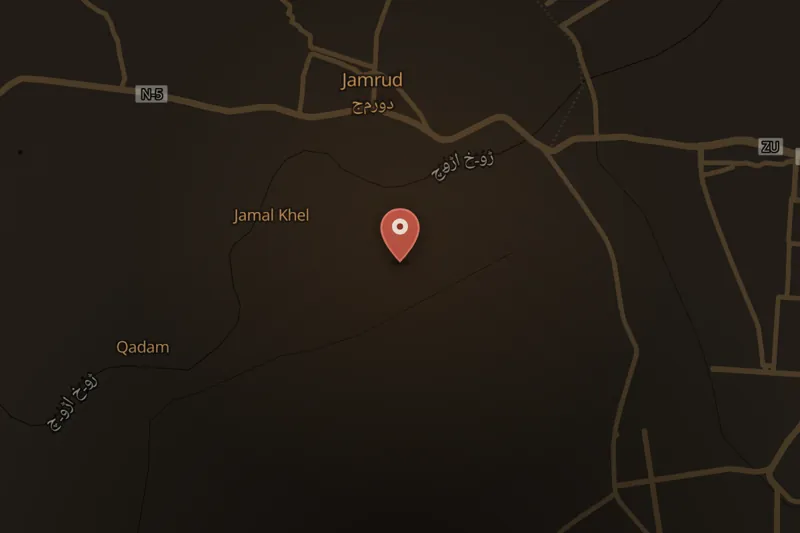
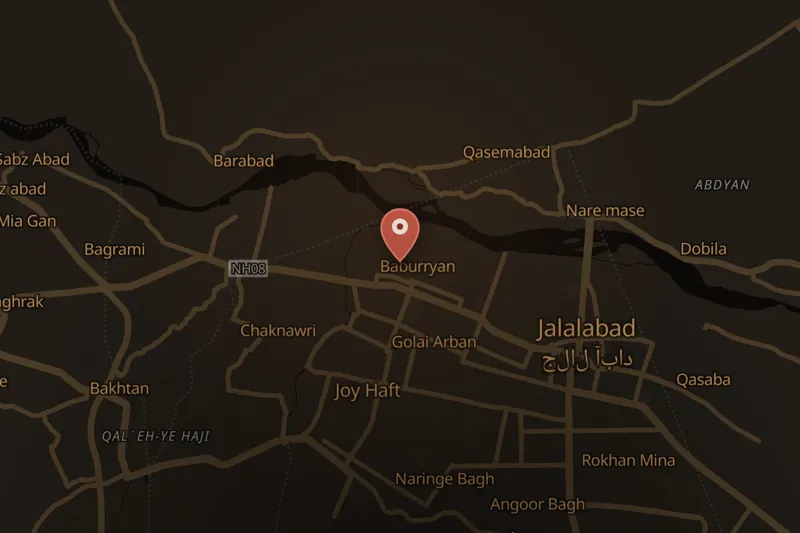
On 4 March 2007, a suicide bomber, identified as Haji Ihsanullah and reportedly linked to Hezb-i Islami Khalis or the Tora Bora Military Front, drove a minivan laden with explosives into a U.S. military convoy near the village of Spinpul in the Shinwar District of Nangarhar Province, Afghanistan. A Marine was injured in the blast. Sources differ on whether gunmen also opened fire on the convoy afterward. The Marines drove away from the scene, firing on vehicles and people along several miles of highway.
According to witnesses, Afghan journalists, and a report by the Afghan Independent Human Rights Commission, the Marines' response involved indiscriminate fire on civilians on a busy road, with elderly men, women, and children reportedly among the casualties. Initial reports put the toll at as many as 19 civilians killed and around 50 injured. U.S. troops were also accused of confiscating photographers' images of the incident. A later U.S. Navy investigation, however, found that between five and seven adult men were killed, and that only two civilians — a 16-year-old boy and a woman — were injured. Military Police who arrived roughly 30 minutes after the shooting reported finding no dead or wounded civilians at the scene.
The killings prompted widespread protests in Afghanistan and condemnation from President Hamid Karzai. Maj. Gen. Frank Kearney of U.S. Special Operations Command ordered the 120-member Marine unit out of Afghanistan pending investigation, and its commander and senior officer were relieved of duty on 3 April 2007. The Pentagon issued a formal apology on 7 May 2007 through Col. John Nicholson, though this was publicly criticized as premature by Marine Corps Commandant Gen. James T. Conway. Compensation payments of $2,000 each were made to more than fifty affected Afghans.
A U.S. Marine Corps court of inquiry, ordered by then-Lt. Gen. James Mattis, convened at Camp Lejeune, North Carolina in January 2008 and heard more than 50 witnesses over 17 days, including Afghan witnesses whose testimony reportedly contradicted the Marines' account. In May 2008, the court concluded that the Marines had acted appropriately under the rules of engagement in response to a "complex attack." No criminal charges were brought, though some officers received administrative reprimands, and the court recommended judicial or administrative action against two Marine captains and two enlisted Marines; the captains were later cleared. The findings were condemned by the Afghan Independent Human Rights Commission and the United Nations mission in Afghanistan.
In 2010, following the Afghan War documents leak, representatives of Amnesty International and the International Bar Association said there was prima facie evidence that international humanitarian law may have been violated, while noting that further conclusions required access to the full, unpublished 12,000-page investigative report. In January 2019, the U.S. Board for Correction of Naval Records recommended that the unit's commander, Fred Galvin, be retroactively promoted to lieutenant colonel with back pay, finding the Marines' response was not a tactical misstep and criticizing senior 2007 commanders for failing to adequately respond to what the board characterized as an enemy information operation.

 UNSOLVEDListen