
 SOLVEDListen
U.S. military outpost, Afghanistan · 2010s
Murder of Mohebullah
A U.S. Army soldier pleaded guilty and was convicted of the premeditated 2010 murder of Mohebullah, an Afghan detainee shot in his cell at a U.S. military outpost.
Solved case · 2007
The short answer
In July 2007, the Taliban abducted 23 South Korean missionaries traveling by bus through Ghazni Province, Afghanistan, killing two hostages before releasing the remaining 21 over the following weeks amid negotiations involving a South Korean troop withdrawal and reported ransom payment.
No one's coverage is attached to this file yet.
Know great coverage of this case?
A documentary, a podcast episode, a careful long-form video. Suggest it and an editor will review it before it appears here.
Suggest coverage for this caseOn July 19, 2007, a group of 23 South Korean missionaries — sixteen women and seven men — was captured by members of the Taliban while traveling by bus from Kandahar to Kabul through Ghazni Province, Afghanistan. The group was on a mission trip sponsored by the Saemmul Presbyterian Church. The crisis began when two local men, whom the bus driver had allowed to board, opened fire to force the vehicle to stop. Over the following weeks, the hostages were held in cellars and farmhouses and were regularly moved in small groups of three to four people.
The Taliban killed two of the hostages during the crisis: Bae Hyeong-gyu, the 42-year-old pastor of Saemmul Church, on July 25, and Shim Seong-min, a 29-year-old man, on July 30. As negotiations progressed, two women, Kim Gyeong-ja and Kim Ji-na, were released on August 13. The remaining 19 hostages — fourteen women and five men — were released on August 29 and 30, with their freedom secured on August 28 with the participation of Indonesia acting as a neutral party in the talks.
Negotiations were shaped by South Korea's prior commitment to withdraw its roughly 200 troops from Afghanistan by the end of 2007; the Taliban's initial demand was that this withdrawal proceed as planned. The group later also sought the release of 23 Taliban prisoners in exchange for the hostages, issuing and extending deadlines and threatening further killings. This demand was ultimately not met, in part because Afghan President Hamid Karzai had previously faced criticism for freeing five prisoners in exchange for an Italian hostage, making further prisoner releases politically untenable. Face-to-face talks between the Taliban and South Korean negotiators began on August 10, leading to the release of the two female hostages on August 13; however, on August 18 a Taliban spokesman said the talks had failed and the fate of the hostages was uncertain before an agreement was ultimately reached.
Following the release of all hostages, a Taliban official stated that South Korea had paid the group more than US$20 million in ransom. South Korea did not confirm this, stating instead that it had promised the Taliban not to make any public statements regarding a ransom.
The crisis drew significant public attention in South Korea, including gatherings to pray for the hostages' safety during the captivity. Muslims residing in South Korea condemned the Taliban's actions as contrary to Islamic principles, while other South Koreans held protests outside the Seoul Central Mosque. Some South Koreans criticized the hostages for undertaking Christian missionary work in Afghanistan despite repeated warnings from the Ministry of Foreign Affairs and Trade about Taliban plans to kidnap South Koreans. The bishop of Daejeon, Lazarus You Heung-sik, was among those who criticized the government's negotiated deal, describing it as setting a dangerous precedent.
Twenty-three South Korean missionaries are captured by Taliban militants while traveling by bus from Kandahar to Kabul through Ghazni Province, Afghanistan.
Hostage Bae Hyeong-gyu, pastor of Saemmul Church, is killed by the Taliban.
Hostage Shim Seong-min is killed by the Taliban.
Face-to-face negotiations begin between the Taliban and South Korean representatives.
Hostages Kim Gyeong-ja and Kim Ji-na are released.
A Taliban spokesman states that talks have failed and the fate of the remaining hostages is being considered.
Release of the remaining nineteen hostages is secured with the participation of Indonesia as a neutral party.
Release of remaining hostages begins.
Remaining hostages are released, concluding the crisis.
Victims first. Every legal label is set from public records and court outcomes, not from the prose.
42-year-old pastor of Saemmul Church, killed by the Taliban on July 25, 2007 while held hostage.[3]
Hostage held by the Taliban, released on August 13, 2007.[3]
Hostage held by the Taliban, released on August 13, 2007.[3]
29-year-old hostage killed by the Taliban on July 30, 2007.[3]
Coverage is not a source: every fact in this file rests on the records below.
Are you family of someone named in this file? Corrections and removal requests from victims’ families are prioritized.
SOLVEDListenU.S. military outpost, Afghanistan · 2010s
A U.S. Army soldier pleaded guilty and was convicted of the premeditated 2010 murder of Mohebullah, an Afghan detainee shot in his cell at a U.S. military outpost.
 SOLVEDListen
Maidan Wardak Province, Afghanistan (kidnapping site); Kurram Agency, Pakistan (rescue site) · 2010s
Canadian-American couple Joshua Boyle and Caitlan Coleman were kidnapped in Afghanistan's Maidan Wardak Province in October 2012 and held for five years by the Haqqani network before being rescued by Pakistani forces in October 2017.
 UNSOLVEDListen
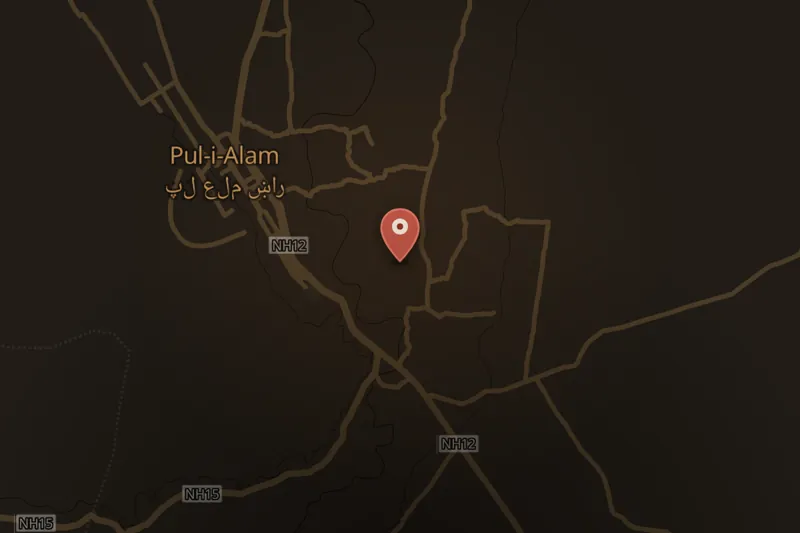
Puli Alam, Logar Province, Afghanistan · 2020s
A suicide car bombing struck Puli Alam, Logar Province, Afghanistan on 30 July 2020, targeting Afghan security forces in an area crowded with shoppers, killing at least 8-17 people and wounding 21-30 others.
 Credit: Office of U.S. House SpeakerPublic domainSourceONGOINGListen
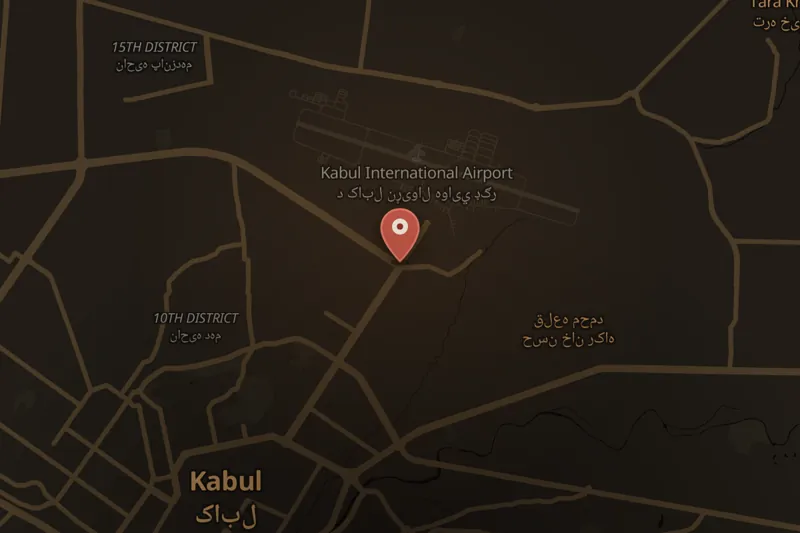
Hamid Karzai International Airport (Abbey Gate), Kabul, Afghanistan · 2021
A suicide bomber detonated an explosive device at Abbey Gate outside Hamid Karzai International Airport in Kabul on 26 August 2021, killing at least 182 people, including 169 Afghan civilians and 13 US service members, during the evacuation from Afghanistan. ISIS–K claimed responsibility. Subsequent US airstrikes, including a 29 August drone strike that killed 10 Afghan civilians, followed the attack.
 Credit: Central Intelligence AgencyPublic domainSourceSOLVEDListen
Sherpur, Kabul, Afghanistan · 2022
On 31 July 2022, al-Qaeda leader Ayman al-Zawahiri was killed by a U.S. drone strike on a safe house in Kabul, Afghanistan, in an operation authorized by President Joe Biden.
 Credit: Master Sgt. Michael O'Connor (U.S. armed forces)CC BY 2.0SourceSOLVEDListen
Khwaja Bahauddin District, Takhar Province, Afghanistan · 2001
On 9 September 2001, Afghan resistance leader Ahmad Shah Massoud was killed in Khwaja Bahauddin District, Takhar Province, Afghanistan, by two al-Qaeda operatives posing as journalists whose camera concealed an explosive device.