Background
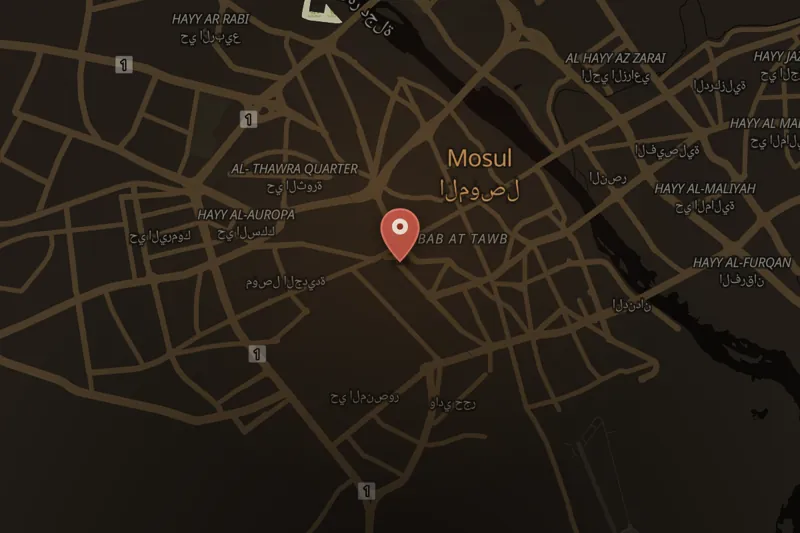
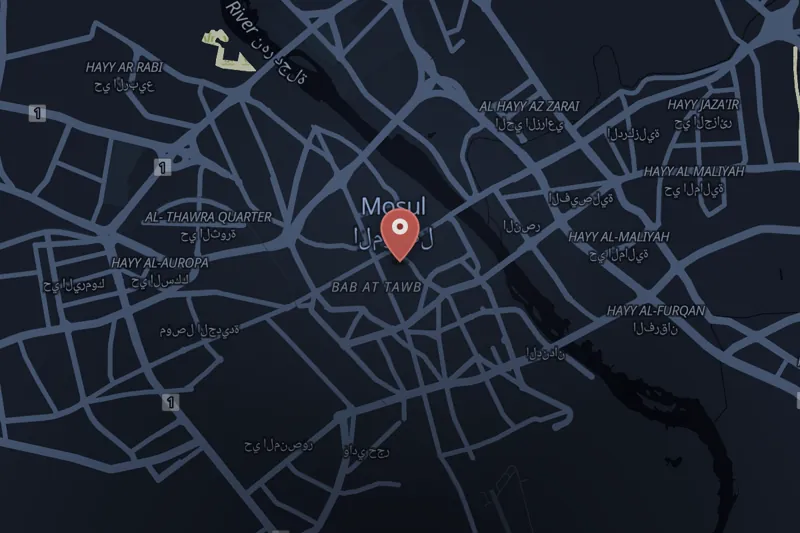
Christians and other religious minorities in Iraq faced increasing violence following the rise of Islamic fundamentalism after the 2003 invasion. Numerous Christians were killed in Baghdad and Mosul in the years that followed. On 1 August 2004, a coordinated series of explosions struck churches in Baghdad, Mosul, and Kirkuk, killing 15 people and injuring 71. On 13 March 2008, the body of Paulos Faraj Rahho, the Chaldean Archbishop of Mosul, was found in a shallow grave near the city after his kidnapping; he was the highest-ranking Christian cleric killed in Iraq up to that point.
October 2008 Attacks
A new wave of violence began in October 2008, when Christian families in Mosul were reportedly given the choice of death or conversion to Islam. By the end of the month, around 14 Christians had been killed, and more than 13,000 fled to the Nineveh Plains seeking safety. The Iraqi government provided $900,000 in assistance to the displaced families.
November 2008 Attacks
In early November 2008, seven bodies belonging to Christians were found in the streets of Mosul. A house belonging to Syriac Catholic sisters was attacked, resulting in the deaths of two nuns and severe injury to a third. Approximately 500 additional families fled the city afterward, taking refuge in churches and with relatives in nearby villages.
Aftermath: 2009 Attacks
Violence continued into January 2009, when 15 more Christians were killed in Mosul, driving further displacement of Christian families toward the Nineveh Plains and Christian villages in Iraqi Kurdistan.
Accusations of Kurdish Involvement
Some displaced Christians blamed Kurdish Peshmerga forces for driving them from their homes through threats and killings. Eyewitnesses reported that some attackers, based on their accents, appeared to be Kurds attempting to pose as Arabs. A rumor circulated that Kurds staged attacks to push Christians toward supporting Kurdish interests ahead of an anticipated referendum on the disputed territories of northern Iraq, where Christians form a substantial minority. Some Iraqi and American military officials denied these allegations. Younadem Kana, a member of Iraq's parliament and head of the Assyrian Democratic Movement, stated that media reports—including one in the London-based newspaper Asharq Al-Awsat—had published false statements attributed to him accusing Kurds of enabling the violence. He said his statements had been altered. The original accusation against Kurdish groups was made public at a press conference on 25 October by Sunni parliamentarian Osama al-Nujaifi; similar accusations were made by the al-Hadba Arab political bloc of Mosul, led by al-Nujaifi and his brother Atheel, who was Nineveh's governor at the time.

 SOLVEDListen