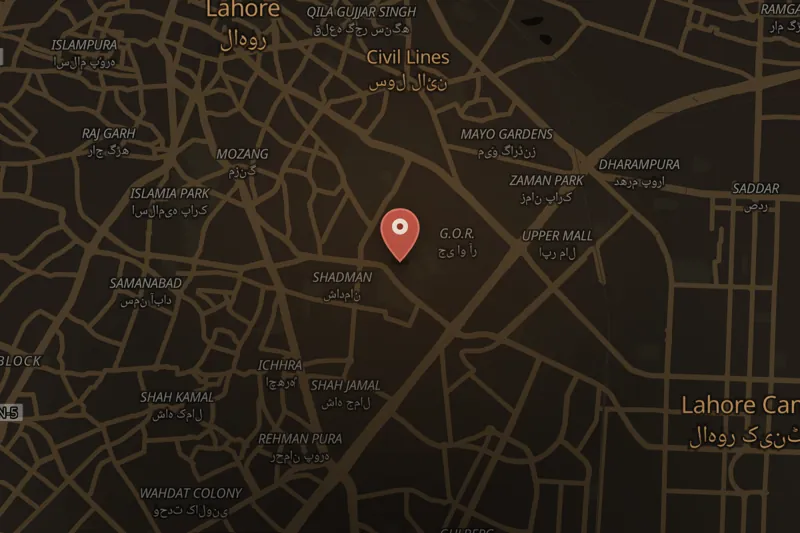
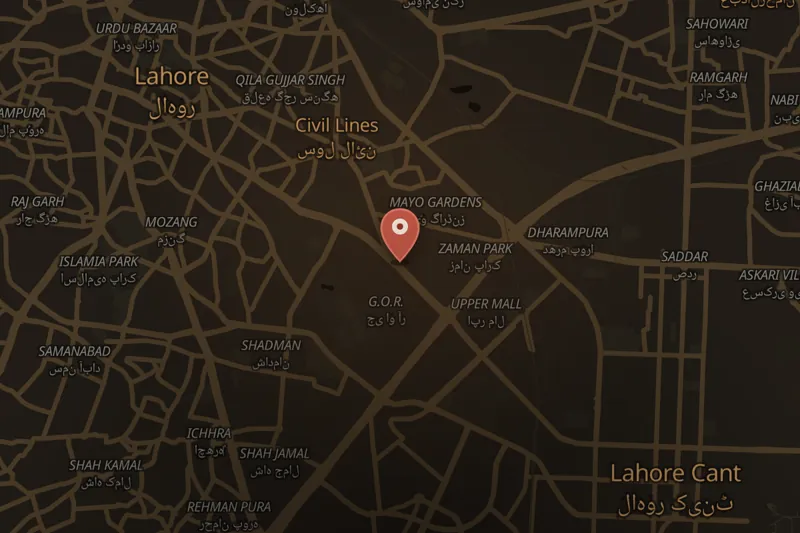
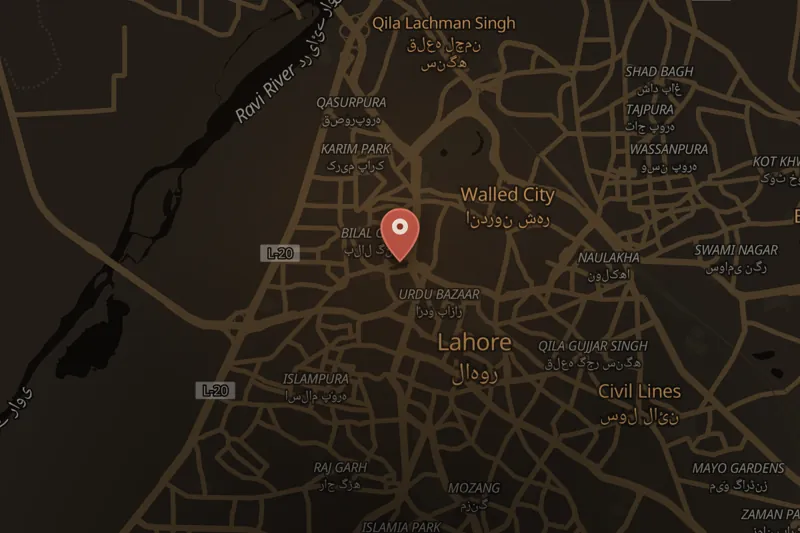
On 1 July 2010, two suicide bombers detonated explosives at the Data Darbar Complex, a major Sufi shrine in Lahore, Punjab, Pakistan. The shrine, which houses the burial place of Sufi saint Syed Ali Hajwairi, was busy at the time of the attack, as Thursday evenings draw large numbers of devotees seeking blessings. At least 50 people were killed and roughly 200 others were wounded. Police initially reported that three suicide bombers had struck, with detonations at gate number five, in the courtyard, and in the basement of the complex.
The attack occurred amid a broader pattern of violence against Sufi institutions in Pakistan, which some Islamist militant groups regard as promoting practices they consider un-Islamic. The Data Darbar shrine was mostly frequented by adherents of the Ahle-Sunnath Wal Jamath sect, a Sufi-associated Barelvi group that the Taliban has characterized as heretical. Prior incidents cited as context include a March 2009 bombing of the shrine of Sufi poet Rahman Baba and the June 2009 killing of moderate cleric Sarfraz Ahmed Naeemi in a suicide bombing attributed to the Taliban.
In the aftermath, injured victims were taken to Mayo Hospital, where officials declared a state of emergency; 25 people were reported in critical condition. Enraged crowds attacked media personnel at the scene, and police used aerial firing to disperse gathered crowds. The following day, about 2,000 people, some armed, protested in Lahore, some chanting against Punjab Chief Minister Shahbaz Sharif. Authorities placed police on high alert nationally and tightened security at Sufi shrines across Pakistan.
Five police officers were suspended over security lapses connected to the attack.
No group claimed responsibility for the bombings. While earlier Lahore bombings had commonly been attributed to the Pakistani Taliban due to its opposition to Sufi practices, a Pakistani Taliban spokesman, Azam Tariq, denied responsibility and blamed "secret foreign agencies." A Punjabi Taliban spokesman, Muhammad Umar, also denied involvement, stating the group does not attack shrines and alleging the bombing was the work of spy agencies and a private security contractor. Despite these denials, protests in Lahore blamed Taliban militants for the attack.
Domestic and international reactions included condemnation from Pakistani Prime Minister Yousaf Raza Gillani, President Asif Ali Zardari's office, the Human Rights Commission of Pakistan, the European Union, the United Nations Secretary-General, the government of India, the United Kingdom, and United States Secretary of State Hillary Clinton. In the aftermath, a national conference on counterterrorism was convened, and Barelvi religious leaders demanded the resignation of Punjab Law Minister Rana Sanaullah Khan over alleged militant ties.

 Credit: SohaibTahirSTCC BY-SA 3.0SourceSOLVEDListen