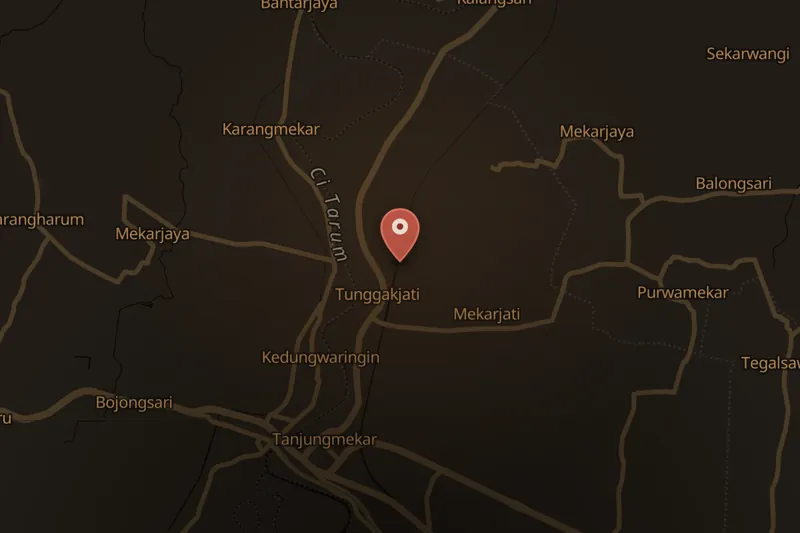
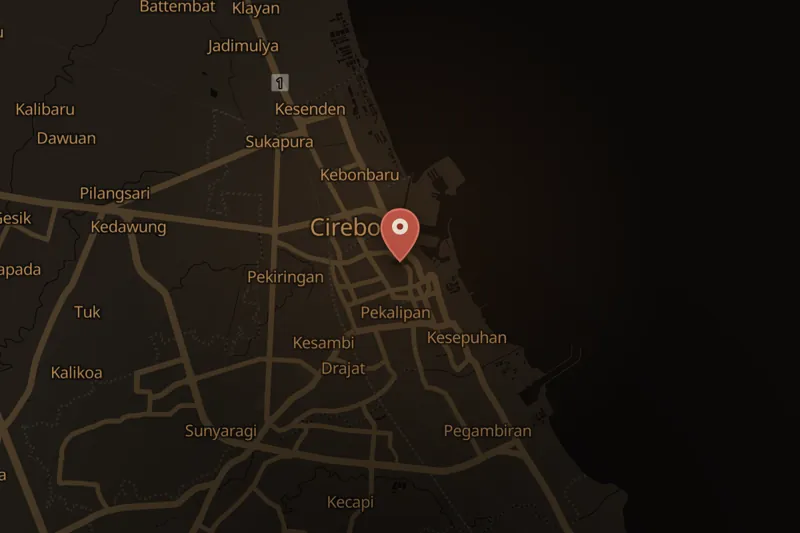
On 15 April 2011, at around 12:20 WIB, a suicide bomber detonated an explosive device inside the Az-Zikra mosque, located within a police compound in Cirebon, West Java, Indonesia. The attack occurred during Friday prayers. The bomber was killed in the blast, and at least 28 people were injured, most of whom had been praying inside the mosque at the time.
The attack marked a notable shift in the pattern of terrorist violence in Indonesia. Prior high-profile attacks, including the 2003 and 2009 Marriott bombings, the 2004 Australian embassy bombing, and the 2002 and 2005 Bali bombings, had targeted symbols associated with Western influence. The Cirebon bombing instead targeted the police directly, striking a mosque within a police compound that, like most mosques in Indonesia, had no security presence. It was the first terrorist attack in Indonesia in the two years following the 2009 Jakarta bombings.
According to the account of the attack, the bomber arrived at the mosque around 12:10 as the sermon was concluding. He was described as approximately 25 to 30 years old, 165–170 cm tall, dressed in black, and carrying explosives concealed behind a jacket and a backpack. He is believed to have positioned himself near the Cirebon police chief, Adjutant Senior Commander Herukoco, before detonating the device while serving as imam leading the prayer. The explosion killed the bomber, whose torso was destroyed, and injured at least 28 others—predominantly police officers, along with at least one civilian attending Friday prayers. Many victims suffered injuries from nails and screws packed into the device. The police chief was among those evacuated to nearby hospitals.
In the aftermath, Indonesian police increased security at regional branches nationwide and temporarily banned street vendors from operating outside police stations, a common feature of station exteriors. A forensic team from West Java Police and the Detachment 88 anti-terrorism unit were deployed to identify the perpetrator. Early assessments raised the possibility of involvement by Al-Qaeda or its local Jemaah Islamiyah affiliates, with some security analysts suggesting the attack was retaliation for police crackdowns on militants.
The attack drew condemnation from Indonesian leaders, including President Susilo Bambang Yudhoyono, Religious Affairs Minister Suryadharma Ali, West Java Governor Ahmad Heryawan, and the country's largest Muslim organization, Nahdlatul Ulama, whose chairman Said Aqil Siradj called the attack "very irresponsible."
Although the bomber's body was badly damaged, his head remained intact, allowing police to obtain a facial photograph, which was released publicly. He was subsequently identified as Muhammad Syarif, a 24-year-old Cirebon resident, after his mother came forward following the photo's release. The identification was confirmed by his family, neighbors, and a DNA test. Syarif reportedly had participated in protests organized by a local hardline Islamic group, the Anti-Apostasy and Nonbelievers Movement, though he was not a member. At the time of the source reporting, links to broader terrorist networks and the specific motive for the attack remained under investigation.

 SOLVEDListen