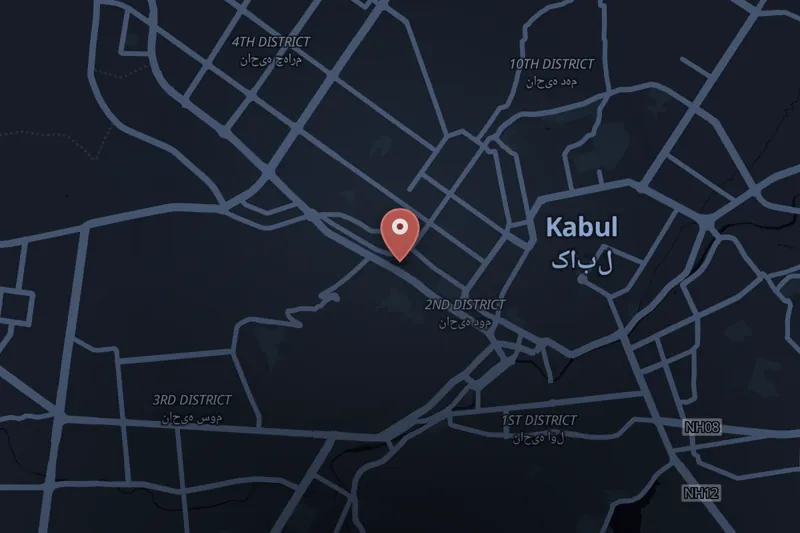
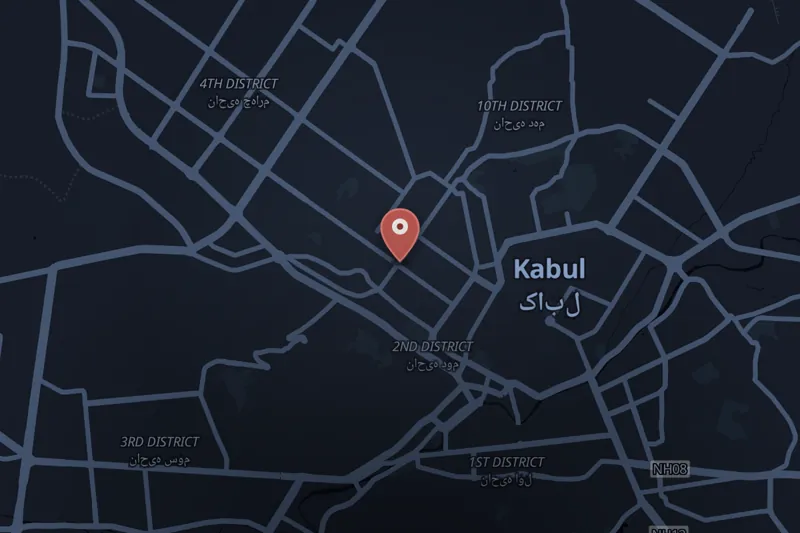
On the evening of 28 June 2011, nine gunmen and suicide bombers attacked the Inter-Continental Hotel in Kabul, Afghanistan. At the time, sixty to seventy guests were believed to be staying at the hotel, including around thirty provincial government officials present for a briefing on the transition of security responsibilities from U.S. forces to Afghan security forces. Most guests were in the hotel's dining hall when the assault began.
The attackers bypassed three security checkpoints and approached the rear of the hotel under cover of thick vegetation, entering through a rear garden guarded by only two guards during a dinner event. The assault began at approximately 10:00 p.m. local time, with attackers using assault rifles, hand grenades, rocket-propelled grenade launchers, machine guns, and anti-aircraft weapons. Suicide vests were detonated at the hotel entrance and on the second floor, destroying two dance halls that had reportedly been hosting a wedding party. Armed Afghan law enforcement personnel initially fled the area rather than engage the attackers. Hotel guests were instructed to barricade themselves in their rooms, and some escaped by jumping from windows.
The siege was ultimately resolved through a joint operation involving New Zealand Special Air Service (NZSAS) personnel and Afghanistan's Crisis Response Unit (CRU), who fought their way up through the hotel floors. NZSAS Commander Jamie Pennell led a team that stormed the roof, where remaining attackers, some wearing explosive vests, had taken firing positions. Helicopters coordinated by SAS Taskforce HQ, along with aerial surveillance from a Blackhawk carrying ISAF snipers, an MC-12W Liberty, and an MQ-1 Predator drone, supported the operation. Three combatants on the roof were engaged by helicopter fire; it is unclear whether they were killed by the strike or by detonating their own vests. After operations were declared concluded, one injured suicide bomber who had hidden in a hotel room ambushed and killed a Spanish pilot.
Drone footage later released by Afghan intelligence reportedly showed gunmen on the roof communicating by phone with commanders in Pakistan, including Badruddin Haqqani, a designated terrorist. The Taliban, through spokesman Zabiullah Mujahid, claimed responsibility for the attack. The Long War Journal reported the operation was carried out by an ad hoc "Kabul Attack Network" involving Afghan and Pakistani Taliban elements, the Haqqani network, Hizb-i-Islami Gulbuddin, with reported support from Lashkar-e-Taiba and al-Qaeda. ISAF assessed that the Haqqani network supplied the operation. A day after the attack, Ismail Jan, described as deputy to a senior Haqqani commander, was killed in an airstrike in Paktia province near the Pakistani border.
Among those wounded were two NZSAS personnel, including Corporal David Steven Askin, five Afghan policemen, and thirteen civilians. Five hotel staff, including a security guard and a chef, along with three policemen, were killed. Commander Jamie Pennell and Corporal Askin were later awarded the New Zealand Gallantry Star for their roles in resolving the siege.


 SOLVEDListen