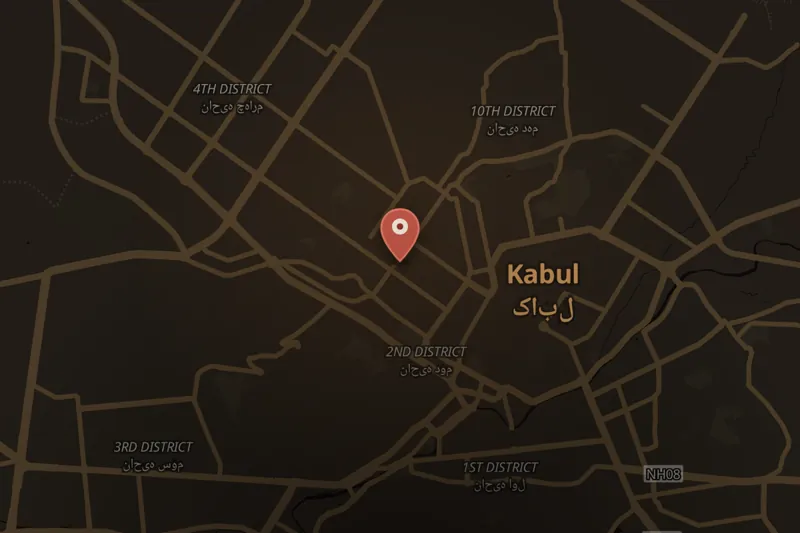
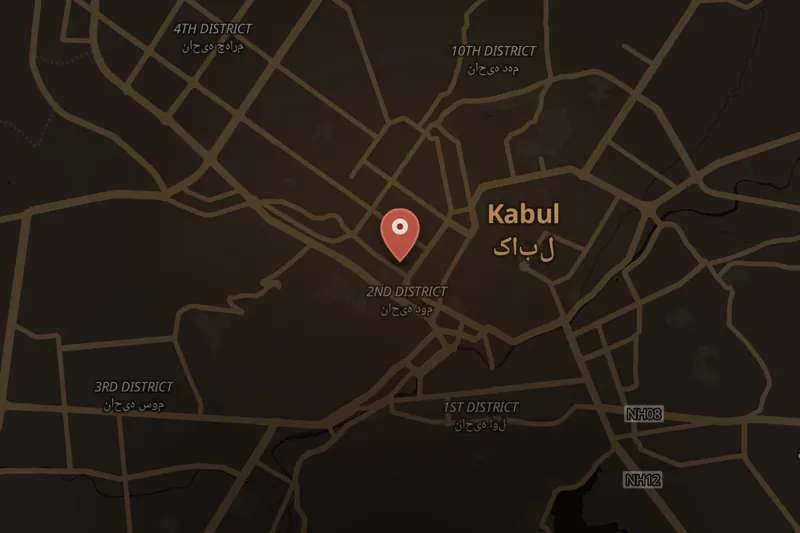
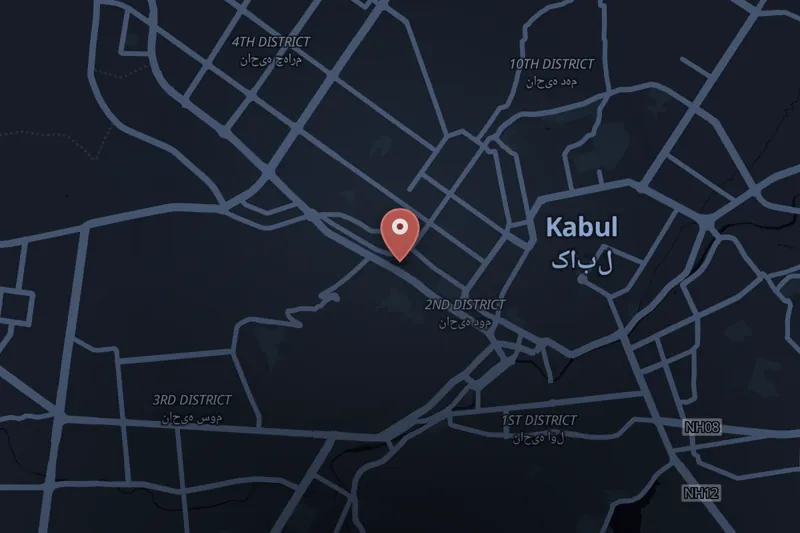
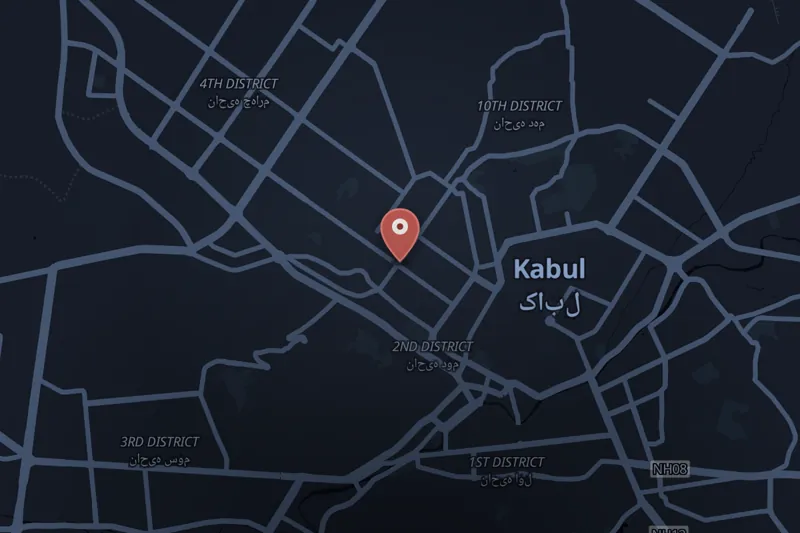
On the morning of 8 March 2017, at about 09:00 local time, a suicide bomber destroyed the back entrance of the Sardar Daud Khan Military Hospital in Kabul's Wazir Akbar Khan district, an affluent area that also hosts the Presidential Palace and Hamid Karzai International Airport. At least five attackers, some dressed in white hospital robes, then entered the building and moved from floor to floor, reportedly paying particular attention to a VIP wing where an army general and a relative of a former minister were said to be present.
Witnesses described the militants firing indiscriminately at guards, patients, and doctors. Subsequent reports described attackers stabbing bed-ridden patients, throwing grenades into crowded wards, and shooting victims — including women and children — at close range. The attackers occupied the hospital for roughly seven hours before Afghan military forces, deployed via the hospital's roof, ended the siege. Norwegian Marinejegerkommandoen special forces stationed in Kabul supported the Afghan operation but did not take part directly in the fighting.
In the days following the attack, reports emerged suggesting insider involvement: surviving staff described two interns in their twenties, who had worked at the hospital for months, as participants, with one of them identified as the suicide bomber who breached the entrance. Afghan Defense Ministry spokesman Mohammad Radmanish later confirmed that the attack was carried out "from both outside and inside," stating it "could not have been possible without the help of people inside."
Casualty figures varied and rose over time. Shortly after the hospital was cleared, Defense Ministry spokesman Major General Dawlat Waziri stated about thirty people had been killed and fifty injured. The following day, Salim Rassouli, director of the Kabul hospital network, said the toll had risen to 49 dead and 63 wounded. By 13 March, unconfirmed reports from survivors and Afghan security force members suggested the death toll and number of attackers involved were significantly higher, with more than 100 killed.
The Amaq News Agency, affiliated with the Islamic State, distributed images described by the SITE Intelligence Group as the organization's claim of responsibility. However, Afghan government officials expressed skepticism, citing the operation's complexity and the fact that floors housing Taliban patients were not targeted. Survivors reported attackers were in phone contact with a person referred to as "Mullah Sahib" and shouted "Long live Taliban" in Pashto, leading officials to suspect the Haqqani network, which has carried out similarly elaborate attacks previously.
Afghan President Ashraf Ghani, Chief Executive Abdullah Abdullah, and the United Nations condemned the attack. U.S. Army General John W. Nicholson Jr., commander of U.S. Forces in Afghanistan, called it an "unspeakable crime" and praised the Afghan security response. The U.S. Embassy in Kabul stated that targeting a medical facility "has no possible justification in any religion or creed."

 SOLVEDListen