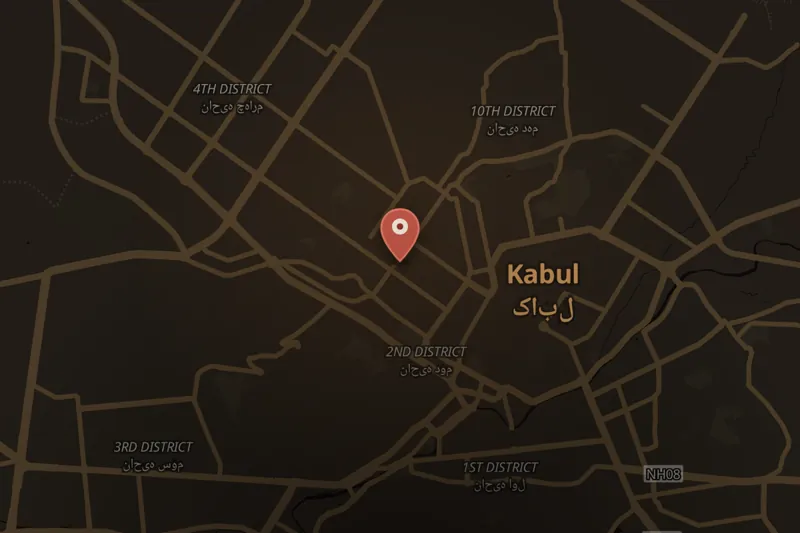
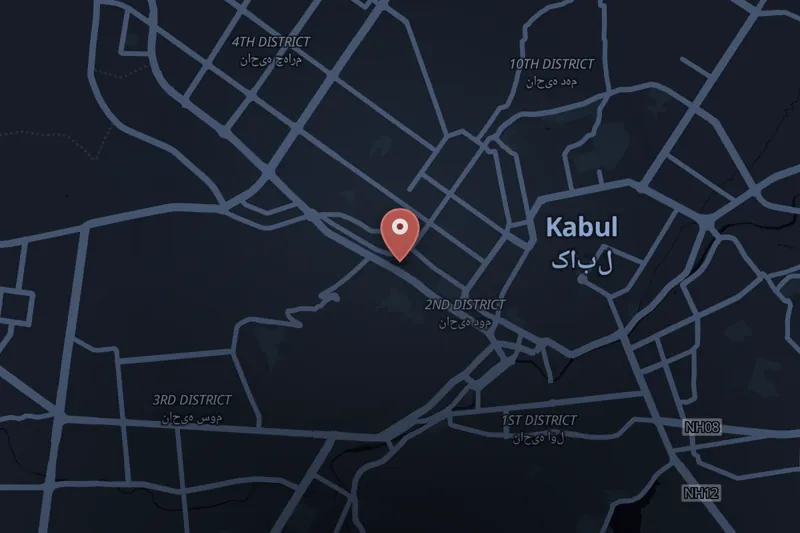
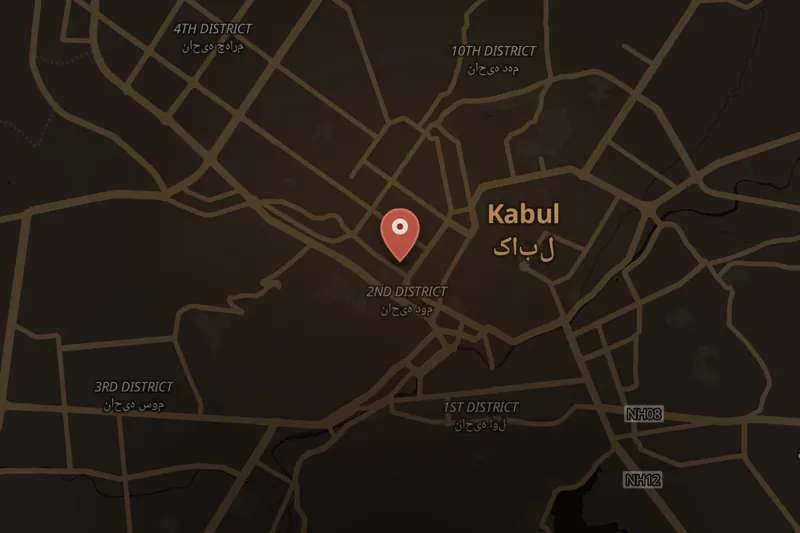
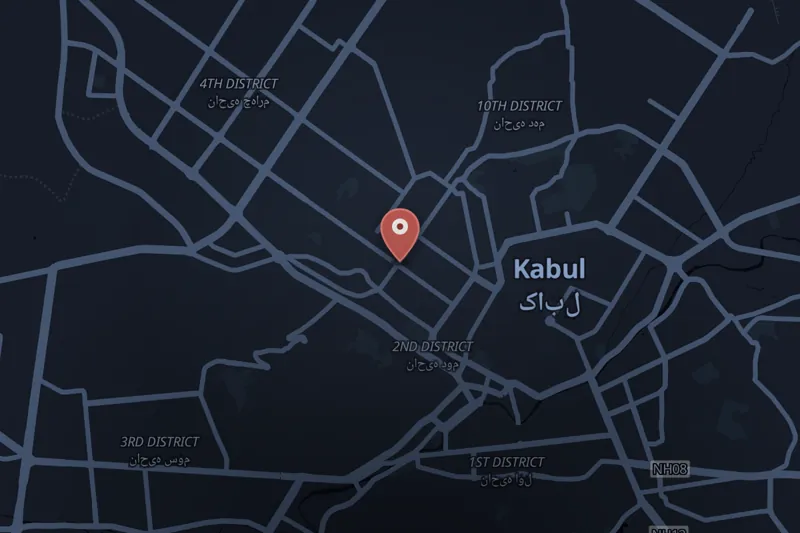
On 27 January 2018, insurgents detonated an explosives-packed ambulance near Sidarat Square in Kabul, Afghanistan, on a busy, heavily guarded street during rush hour. At least 103 people were killed and 235 others were wounded, making it one of the deadliest attacks in the Afghan capital in recent years. The Taliban claimed responsibility for the bombing.
According to reporting, the vehicle passed through the first of a series of security checkpoints near Kabul's embassies and government buildings — including European Union diplomatic facilities — by claiming it was transporting a patient. When the ambulance was stopped at a second checkpoint and police attempted to prevent it from proceeding further, the driver detonated the explosives. The blast was powerful enough to be felt across the capital, collapsing buildings and destroying facades in the immediate area. Nearby structures affected by the explosion included the Jamhuriat Hospital, government offices, businesses, and a school.
The attack took place on a street locally known as Chicken Street, near a building run by the Interior Ministry where various government agencies maintain offices. It was the third major attack in Afghanistan within a week, following a shooting at an aid agency in Jalalabad, Nangarhar Province, and an assault on the Inter-Continental Hotel in Kabul. The coordinator for the Italian aid group Emergency, which operates a trauma center in the city, described the aftermath as a "massacre," with reports describing shattered and often unidentifiable bodies at the scene and relatives queuing at the city morgue.
In the aftermath, the Afghan government characterized the bombing as a crime against humanity and accused Pakistan of providing support to the attackers, an allegation Pakistan denied. President Ashraf Ghani, responding to the third major attack in a week, again blamed Pakistan for failing to act against Taliban militants and vowed retaliation against the Taliban. Ghani's government sent an Afghan intelligence delegation to Pakistan intended to present what officials described as "undeniable" evidence that the attack had been planned from within Pakistani territory. The bombing further strained prospects for peace talks with the Taliban, with a presidential spokesman stating that the group had "lost the opportunity for peace talks." The International Committee of the Red Cross described the use of an ambulance to carry out the attack as an act of perfidy under the laws of war.
No individual perpetrators have been named or charged in connection with the bombing in available reporting; responsibility was claimed collectively by the Taliban as an organization.

 SOLVEDListen