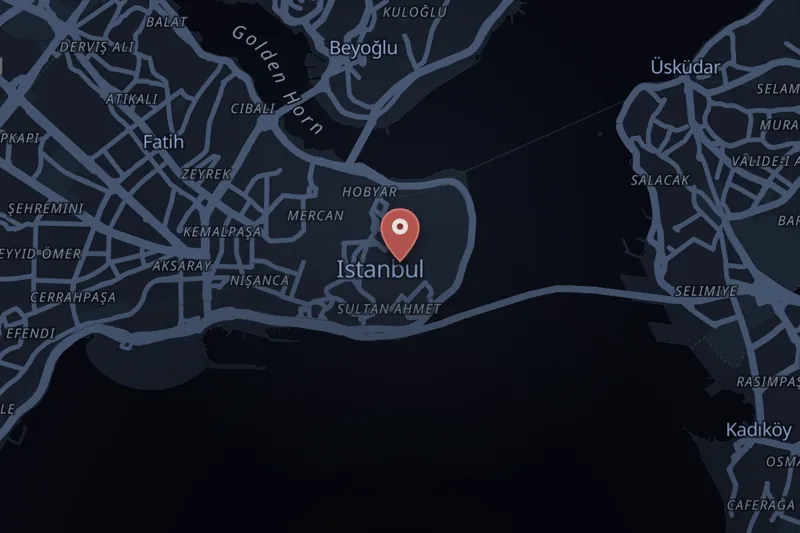
On 23 December 2015, at approximately 02:05 local time, an explosion occurred in the apron area of Sabiha Gökçen International Airport in Istanbul, Turkey. The blast wounded two airport cleaning workers; one of them, Zeyhra Yamaç, later died in hospital from head injuries caused by the explosion. Witnesses reported hearing three successive blasts, although the cause was not immediately clear, and investigators did not rule out terrorism as a possible motive.
Turkey's Minister of Transport, Maritime and Communication, Binali Yıldırım, stated that the explosion had damaged five aircraft, which were subsequently taken to hangars for repair. He also said there had been no security lapses at the airport. Despite the explosion, flights out of the terminal resumed and continued as normal.
The Daily Telegraph reported on an interview with an aviation expert who speculated that the blast had most likely been caused by a bomb rather than a mechanical fault, noting that an interior mechanical failure within a plane would be unlikely to produce an explosion large enough to damage five other aircraft nearby. The damage to those aircraft was attributed to shrapnel consistent with a bombing.
The explosion took place against a backdrop of renewed conflict between the Turkish military and Kurdistan Workers' Party (PKK) militants in southeastern Turkey, following the breakdown of a ceasefire and peace negotiations between the two sides in July 2015.
On 27 December 2015, four days after the attack, the Kurdistan Freedom Hawks (TAK), described as an urban-based offshoot of the PKK, claimed responsibility for the explosion. The group stated that the blast had resulted from a mortar bombing carried out in retaliation for the continued military operations by the Turkish Armed Forces in Kurdish-populated cities in the southeast, which TAK characterized as "fascist" operations targeting PKK militants.
An individual identified as a suspect in the attack was arrested on 28 October 2017 in Istanbul.

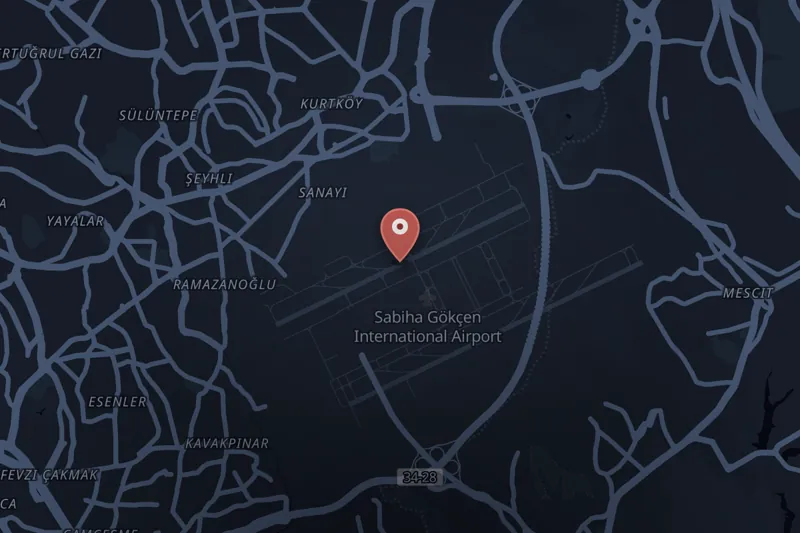
 Credit: OpenStreetMap contributors, (Uploader: User:İncelemeelemani)OpenStreetMap contributorsCC BY-SA 2.0SourceSOLVEDListen