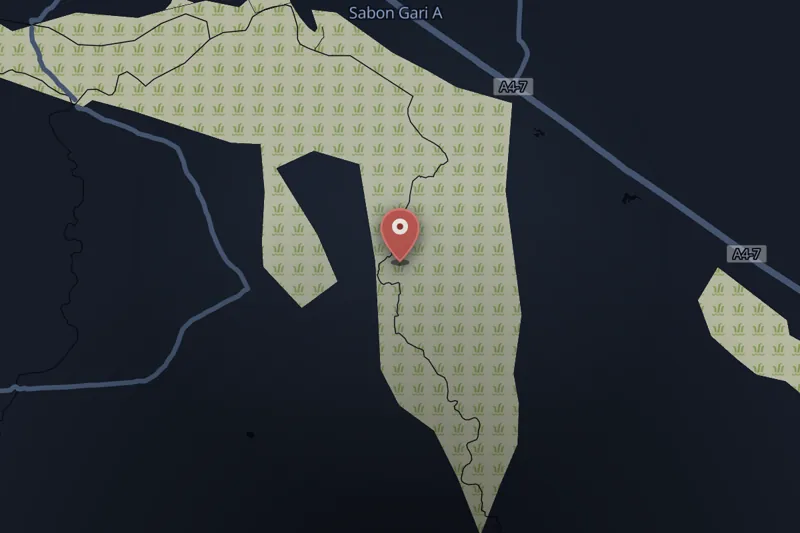
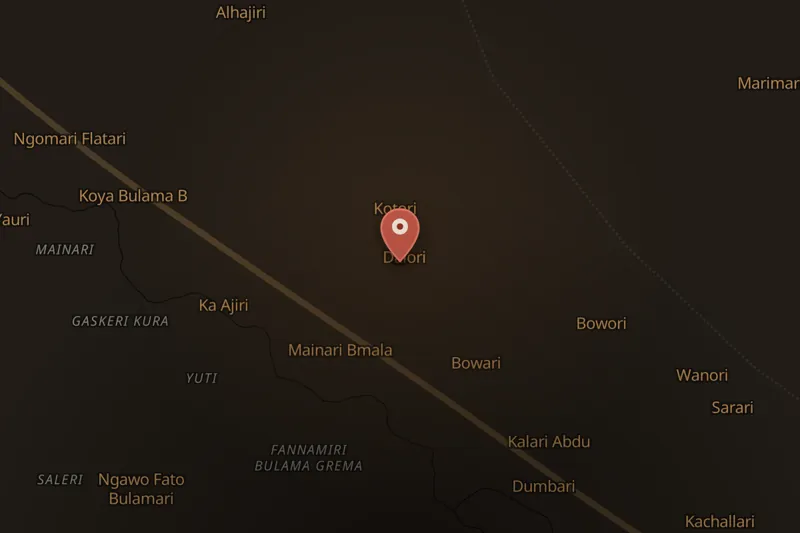
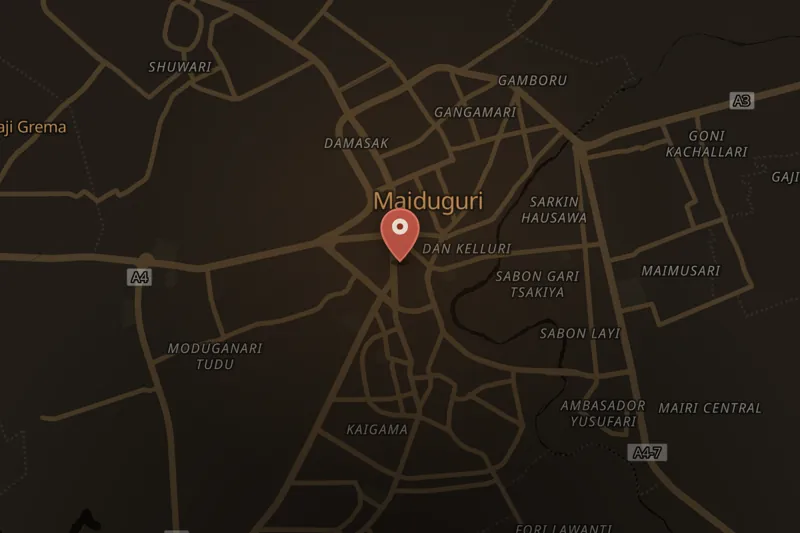
On 30 January 2016, militants belonging to the jihadist group Boko Haram entered the suburban town of Dalori, Borno State, Nigeria, located near the state capital of Maiduguri. Approximately 86 people were killed and more than 135 injured in the attack, which has been described as Boko Haram's first major attack of 2016. The attack is believed to have been a reprisal against the Civilian Joint Task Force (CJTF), a civilian vigilante group founded in 2013 to assist regional forces against Boko Haram, and came roughly a week after the Multinational Joint Task Force (MNJTF) announced a transition into a "resettlement and rebuilding stage" of its operations against the insurgent group.
Militants traveled in two Volkswagen Golf sedans and on motorcycles, armed with machine guns, moving through the nearby town of Yale before entering Dalori from the rear of the village. They opened indiscriminate fire on residents and set huts and other structures alight with firebombs. The attack lasted approximately four hours, during which militants reportedly burned children alive; one survivor recalled hearing "the screams of children burning to death." The Nigerian Army was initially unable to repel the militants but eventually forced a retreat once reinforcements armed with heavier weaponry arrived. A local vigilante group called Kondugua alerted reinforcements after noticing flames from burning buildings.
Many villagers fled toward the neighboring village of Gamori Kerkeri, with some ultimately bound for a refugee camp near Maiduguri housing approximately 25,000 people. Militants pursued fleeing civilians, and three female suicide bombers attempted to infiltrate the fleeing group before being intercepted; all three detonated their explosives. By the end of the attack, Dalori had reportedly been "razed to the ground."
In the aftermath, initial death tolls were difficult to confirm because many bodies brought to a nearby hospital morgue were burned beyond recognition; local sources initially reported between 50 and 100 corpses collected, with later credible estimates settling on approximately 86 deaths. Sixty-two others were treated for burns at the State Specialist Hospital in Maiduguri. Large parts of the village were destroyed, and recovery efforts uncovered numerous charred and bullet-wound-ridden bodies. Questions were raised about how militants were able to reach and attack a settlement located close to army headquarters in Maiduguri, apparently driving unhindered past roads patrolled by soldiers and vigilantes, and sustain the attack for several hours before army intervention.
The United Nations Security Council condemned the attack as a "horrific terrorist attack," expressed sympathy for victims' families and Nigerians generally, commended the MNJTF, and stressed that states should cooperate to bring the perpetrators to justice.

 UNSOLVEDListen