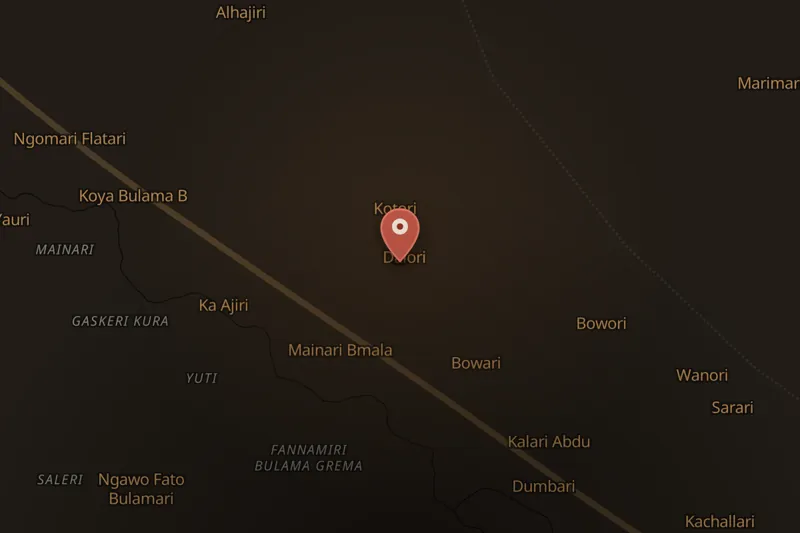
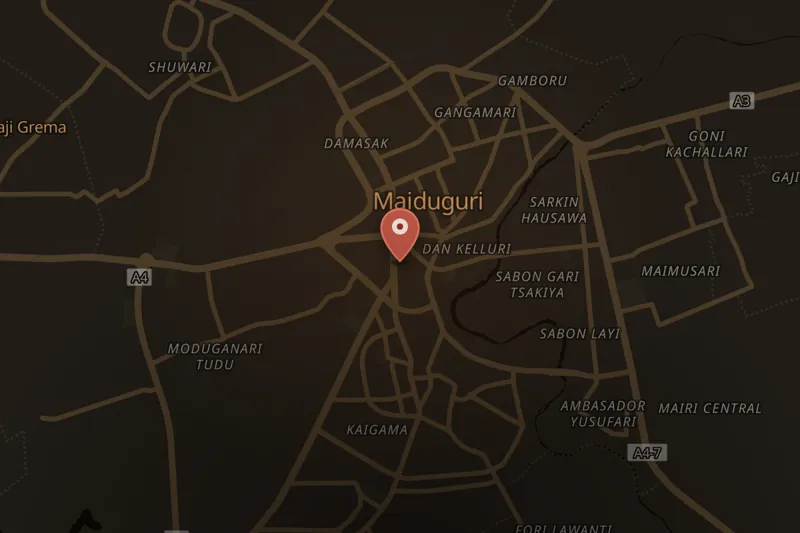
On March 7, 2015, a suicide bomber detonated explosives on a cycle rickshaw near a fish market in Maiduguri, in northeastern Nigeria, killing at least 10 people in the initial blast. It was later officially reported that this was the first of five coordinated bomb blasts carried out by suicide bombers across five different areas of the city that same day.
According to witnesses and various news reports, the first bomber is believed to have been a 16-year-old boy who attempted to enter the Baga fish market in Maiduguri before detonating his device. The second blast is thought to have been a twin explosion that struck another market, known as Monday market, at around 12:30. BBC reports indicated that this attack was carried out by two women. A third explosion occurred at around 12:52 near an office of the Department of State Security. Several witnesses believed this too was a twin explosion, according to BBC reporting.
No terrorist organization immediately claimed responsibility for the attacks. However, multiple sources noted that the militant group Boko Haram may have been responsible, citing similarities between these blasts and previous Boko Haram attacks in the region. Boko Haram had been active in northeastern Nigeria, including Maiduguri, in a long-running insurgency during this period.
On March 8, 2015, Nigerian police reported that the overall death toll from the coordinated attacks had risen to 58, with more than 143 people wounded across the five blast sites. The attacks targeted civilian gathering points, including markets, as well as a government security facility, reflecting a pattern of multi-site coordinated bombings previously associated with the insurgency in the region.
As of the available reporting, no individual or group had been formally charged or convicted in connection with the bombings, and no group had claimed responsibility.

 UNSOLVEDListen