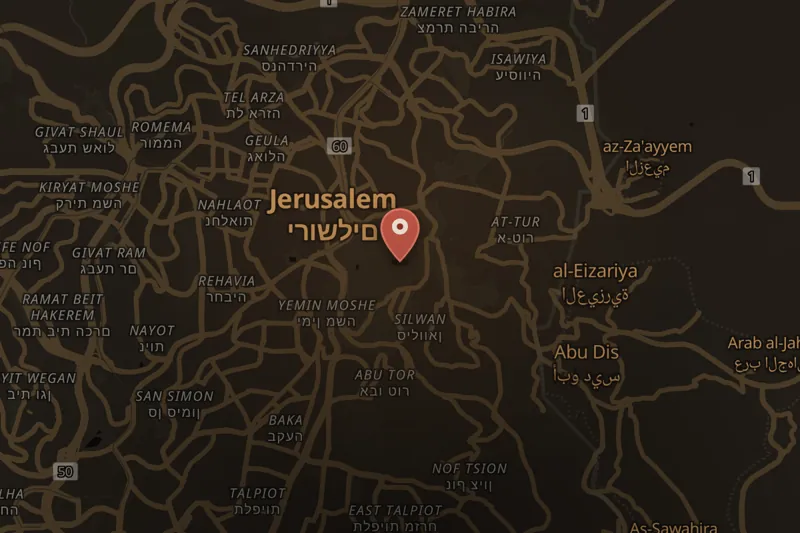
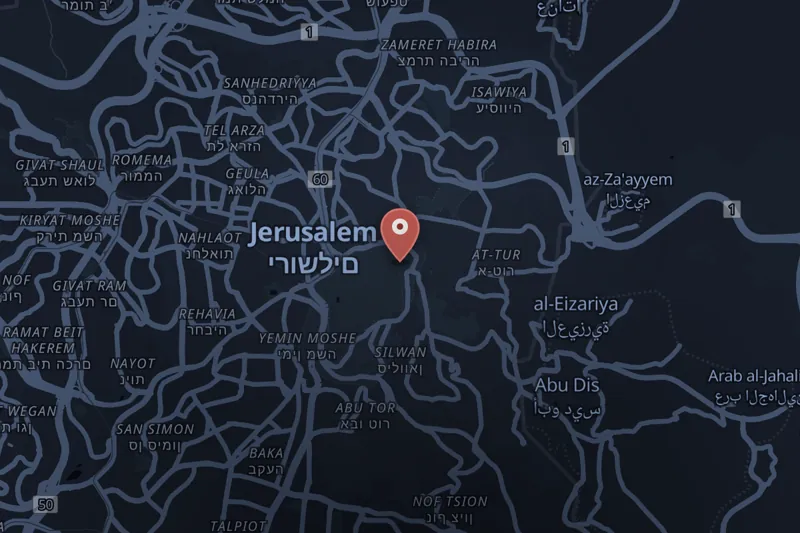
On the morning of 14 July 2017, shortly after 07:00, three Arab-Israeli men left the Temple Mount complex in Jerusalem's Old City through the Gate of the Tribes, near the Lions' Gate, and opened fire on Israeli Border Police officers stationed nearby. The attackers used improvised "carlo" submachine guns and a handgun. Two officers were critically wounded and later died, while two others were moderately injured. The three attackers fled back into the Temple Mount complex, where they were shot and killed by Israeli police. One attacker, initially believed dead, rose and attempted to attack officers again before being shot, reportedly shouting a reference to Raed Salah's group.
The two officers killed were identified as Haiel Sitawe, 30, and Kamil Shnaan, 22, both Israeli Druze from villages in the Northern Galilee region. Sitawe had served at the Temple Mount since joining the Border Police in 2012 as part of mandatory national service. Shnaan had signed on as a career officer seven months before the attack and was the son of a former Knesset member.
The three attackers were identified as Mohammed Ahmed Mafdal Jabrin and Mohammed Hamed Abed Eltif Jabrin, both 19, and Mohammed Ahmed Mohammed Jabrin, 29, a muezzin at a local mosque, all residents of Umm al-Fahm. Two of the attackers had posted photographs of themselves in front of the al-Aqsa mosque on Facebook hours before the attack. Investigators said the attackers had hidden weapons at the Temple Mount site days earlier with assistance from a member of the Waqf, and that they were linked to the northern branch of the Islamic Movement in Israel.
Following the attack, Israeli authorities closed the Temple Mount complex and canceled Friday prayers at al-Aqsa mosque for the first time in years. The mosque was raided and additional weapons were reportedly found. The Grand Mufti of Jerusalem was detained after calling on Muslims to defy the closure. When the site reopened on 16 July with newly installed metal detectors, the move triggered a prolonged standoff, protests, and clashes over the following days, during which three Palestinians were killed in unrest near the compound. A wake for the attackers was held in Umm al-Fahm, and a large funeral procession later took place after their bodies were released following a supreme court ruling.
Regional and international reactions varied sharply: Israeli leaders condemned the attack and praised the officers, while Hamas and Islamic Jihad described it as a "heroic act." Jordan's government criticized Israel's closure of the site, and its parliament held a prayer service described as honoring the attackers. The United States condemned the attack. The security measures introduced after the attack, and their removal weeks later, were linked to a series of related violent incidents in the region during July 2017.

 Credit: Berthold WernerPublic domainSourceSOLVEDListen