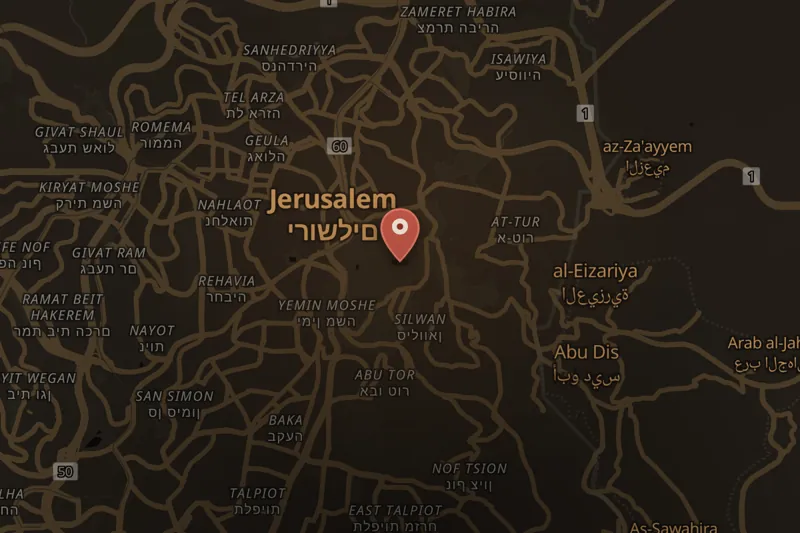
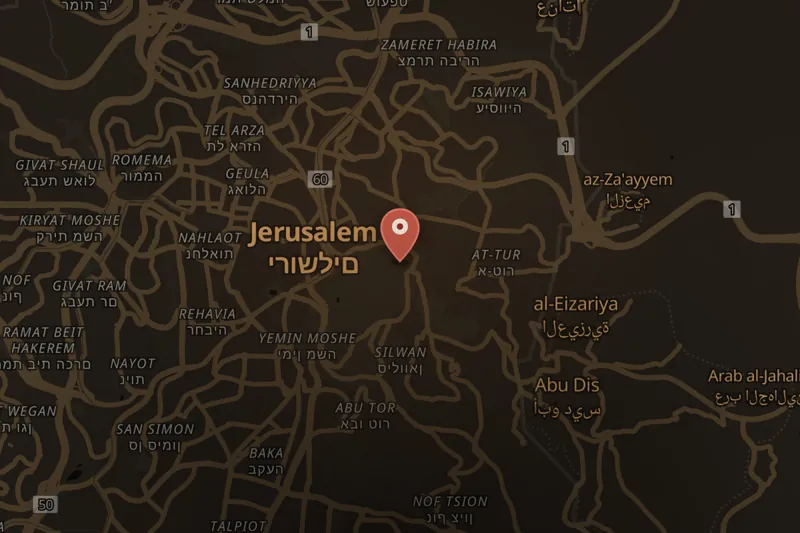
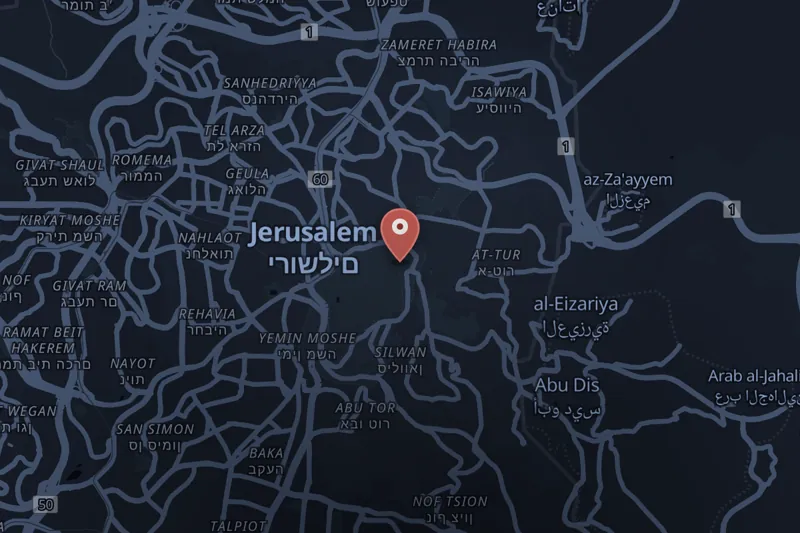
On the morning of 3 October 2015, Aaron and Adele Benita were walking with their two young children in strollers toward the Western Wall to pray when they were attacked near the Lions' Gate in Jerusalem's Old City by Muhanad Shafeq Halabi, a 19-year-old Palestinian resident of al-Bireh and law student at Al Quds University. Halabi, identified by police as the assailant, stabbed and killed Aaron Benita and critically wounded Adele and their 2-year-old son, Matan. Nehemia Lavi, a 41-year-old rabbi and military reserve officer who had lived on the same street for 23 years, heard the family's screams and ran out to help. Halabi stabbed Lavi to death and took his pistol, then began firing at pedestrians before being shot and killed by a police officer who arrived at the scene.
Adele Benita later described bystanders reacting to the attack rather than assisting her. She told reporters that as she screamed for help and tried to aid her husband, Arab onlookers stood by "laughing and smiling," spat at her, and slapped her while a knife was still lodged in her body; one bystander told her to "drop dead" when she pleaded for help for her son. Prime Minister Benjamin Netanyahu visited Adele Benita in the hospital alongside the Minister of Public Security and pledged to "smash" the new wave of violence.
The attack occurred amid the broader 2015–2016 wave of violence in the Israeli-Palestinian conflict, which had escalated in mid-September 2015 amid tensions over access to the Temple Mount/Haram al-Sharif. In the days following, several additional stabbing attacks occurred at or near the same Lions' Gate location: on 4 October a Palestinian teenager, identified by relatives as Fadi Alloun, wounded a 15-year-old Israeli boy before being shot dead by police, with Palestinians disputing the Israeli account of the incident; on 6 October an 18-year-old woman, identified as Shurooq Dweiyat, stabbed an Israeli man who then shot her, with both surviving; and on 12 October a man attacked a police officer with a knife near the gate and was shot by other officers.
In response to the attacks, Israeli authorities temporarily barred Palestinians from entering the walled Old City for two days beginning 4 October, a measure intended to protect visitors during the Sukkot holiday, with exemptions for Palestinian residents, students, and workers in the Old City; the broader ban was lifted 6 October. Later restrictions limited entry to the Temple Mount for Muslim men under 50 during Friday prayers and barred both Arab and Jewish politicians from the site. The killings and subsequent events drew condemnation from the United Nations Secretary-General and the UN Special Coordinator for the Middle East Peace Process, concern from the U.S. State Department, and a statement from a Palestinian Authority spokesman calling for an end to Israeli occupation.


 SOLVEDListen