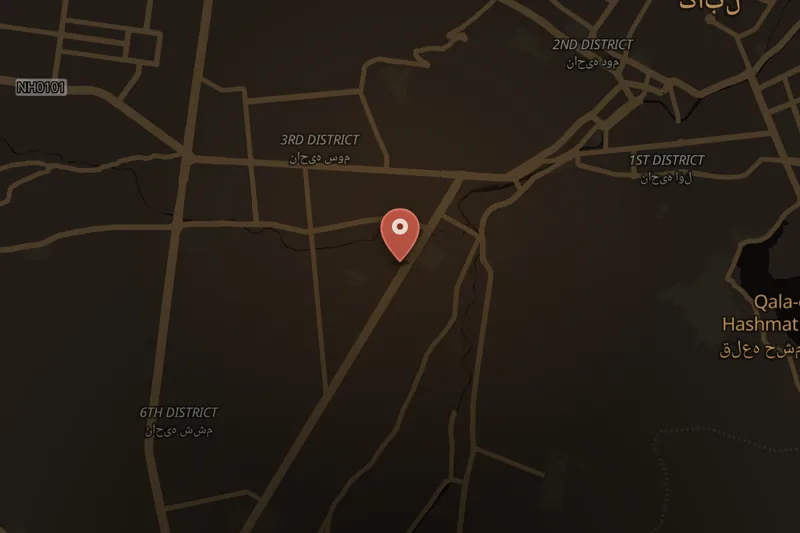
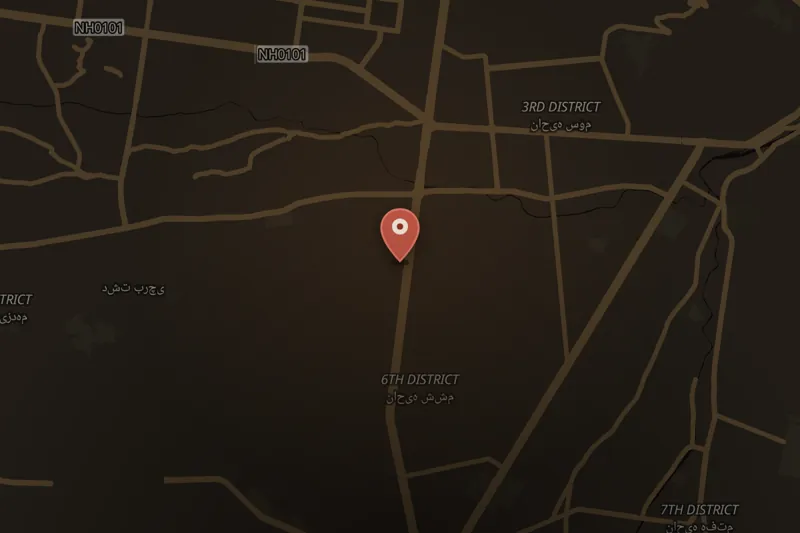
On 8 May 2021, a car bombing followed by two additional improvised explosive device (IED) blasts occurred in front of Sayed al-Shuhada High School in Dashte Barchi, a predominantly Shia Hazara area of western Kabul, Afghanistan. The attack left at least 90 people dead and 240 injured, with the majority of casualties being girls between 11 and 15 years old. The school operated in three shifts, with the second shift reserved for female students, and the attack occurred as students were leaving the school grounds.
Dashte Barchi has been repeatedly targeted by members of Islamic State – Khorasan Province (IS-K) over the years. The area, populated largely by Afghanistan's Hazara ethnic group who mostly practice Shia Islam, had previously suffered a 2018 school bombing that killed 34 people, a 2018 attack on a wrestling club that killed around 24, a 2020 attack on a maternity hospital that killed 24, and a 2020 attack on the Kawsar-e-Danish tutoring center that killed around 30. Islamic State affiliates claimed responsibility for most of these prior attacks, and Hazaras are considered heretics by IS due to their Shia faith. The attacks occurred against a backdrop of intensified fighting between Afghan security forces and Taliban insurgents ahead of the withdrawal of U.S. and NATO troops.
According to a school teacher's account, a car bomb blast occurred first, followed by two more explosions near the girls' school. An Interior Ministry spokesman corroborated this sequence, describing an initial car bomb followed by two IEDs. One injured student recounted leaving the school when the first explosion occurred, with two further explosions following at intervals of roughly ten minutes, leaving the yard filled with blood, debris, and screaming, disoriented survivors. In the immediate aftermath, 58 people were reported killed and more than 160 wounded; the death toll rose to 85 the following day. A hospital programme coordinator stated that most wounded patients transported to the facility were aged between 12 and 20.
Afghan President Ashraf Ghani condemned the attack as an act of terrorism and declared 11 May a national day of mourning. Ghani blamed the Taliban for the bombing, but Taliban spokesman Zabiullah Mujahid denied involvement, condemned the attack, and held the Islamic State responsible, while also accusing Afghanistan's former intelligence agency (NDS) of complicity with IS.
Family members of victims criticized the government's perceived inaction, with one relative stating that authorities only react after incidents rather than prevent them. Residents reported that it took at least one hour for police, intelligence personnel, and ambulances to reach the scene; the delay angered crowds, who attacked ambulance and police vehicles. Many residents held President Ghani responsible for the attack and directed chants of anger against the Afghan government and security forces.


 SOLVEDListen