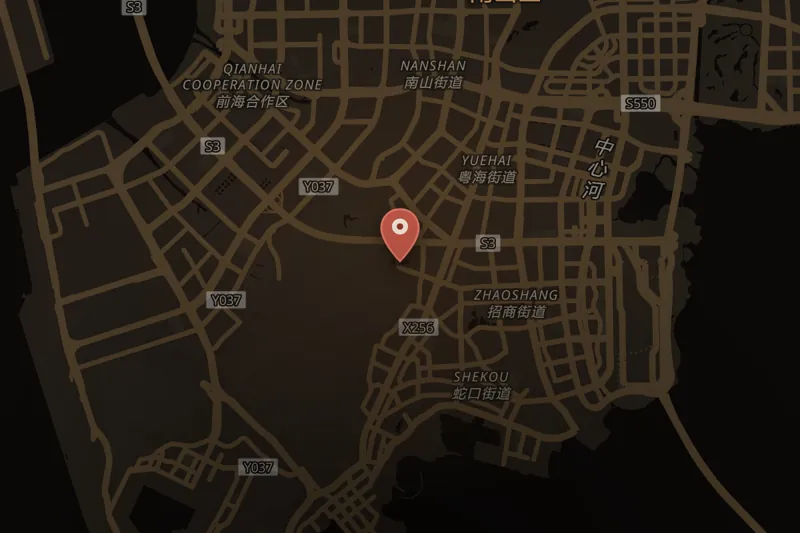
On the morning of 18 September 2024, at approximately 8 a.m., a Chinese man stabbed a ten-year-old Japanese schoolboy in the abdomen as he walked toward the Shenzhen Japanese School in Shenzhen, Guangdong, China. The attack took place on a street about 200 metres from the school. According to China's foreign ministry, the boy had a Japanese father and Chinese mother; police identified him by the surname Shen. Kyodo News reported the boy had been with his mother at the time of the attack. He was taken to Qianhai Shekou Free Trade Zone Hospital with severe injuries and died in the early morning of 19 September 2024.
Shenzhen police arrested a 44-year-old suspect at the scene, identified as Zhong Changchun, a man from Jiangxi with no fixed occupation. He had prior police contact, having been questioned in 2015 over alleged damage to public property and detained in 2019 for disturbing public order. Authorities characterized the attack as an isolated incident carried out by a single person. On 24 January 2025, Zhong was sentenced to death for the killing. In April 2025, Japan's embassy in China announced that Zhong had been executed.
The attack occurred against a backdrop of prior violence against foreigners in China during 2024, including a June 2024 stabbing of four American teachers in Jilin City and a June 2024 attack on a Japanese mother and son in Suzhou, in which a Chinese woman who intervened was killed. Some observers raised concern that nationalist sentiment may have contributed to such incidents. The date of the Shenzhen attack, 18 September, coincides with the anniversary of the 1931 Mukden Incident, a pretext for Japan's invasion of Manchuria.
The attack prompted swift diplomatic reaction. Japan's vice foreign minister summoned China's ambassador to Japan, and Japan's ambassador to China called for stronger protection of Japanese residents. China's foreign ministry expressed condolences and pledged measures to protect foreigners, while also describing the incident as an isolated case. Japanese Prime Minister Fumio Kishida condemned the attack and demanded an explanation from Chinese authorities. A Japanese state minister traveled to Beijing days later in connection with the case.
Public reactions in China included residents laying flowers near the school, alongside online debate; some nationalist commentary alleged the attack was staged or called for closing Japanese schools, while other commentators, including two law professors, urged against violence carried out in the name of patriotism. A letter reportedly from the boy's father, saying he did not hate either China or Japan, circulated online before being removed.
The killing led Japanese schools across China—including in Shanghai, Guangzhou, Beijing, and Hong Kong—to heighten security and caution students and parents. Major Japanese companies, including Panasonic and Toyota, took steps to support and inform their employees in China, with Panasonic allowing staff to temporarily return to Japan at company expense.


 Credit: GeographerCC BY-SA 3.0SourceONGOINGListen


