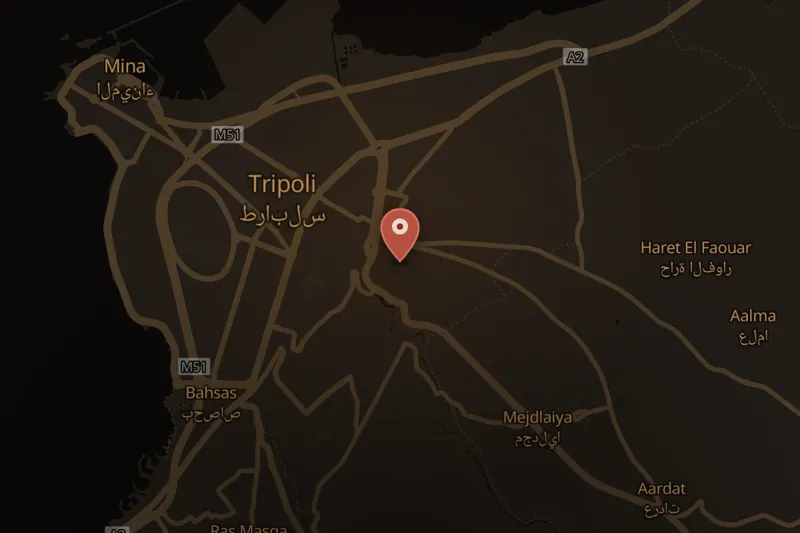
Following the fall of Bashar al-Assad's government in December 2024, coastal Syria — home to the country's Alawite minority — experienced escalating sectarian tension. Alawite activists reported targeted violence and persecution in rural Homs and Latakia Governorates, alongside hate-speech flyers and vandalism of Alawite shrines. In January 2025, monitoring groups including the Syrian Observatory for Human Rights (SOHR) documented alleged massacres in the western Homs countryside during security sweeps meant to disarm former regime loyalist militias, including a reported six killings in Tasnin on 14–16 January and four extrajudicial killings during a security campaign on 23 January.
Violence escalated sharply from 6 March 2025, when armed clashes broke out in Latakia Governorate between Syrian security forces and groups loyal to the former president, spreading to Jableh, Baniyas, and surrounding areas. According to SOHR, at least 35 pro-government fighters and 32 pro-Assad gunmen died that day, along with four civilians. Thousands of fighters, including Islamist factions and pro-Turkish groups, moved into coastal Syria, and videos circulated showing threats against Alawites. On 7 March, armed groups — described by witnesses to Le Monde as including Syrian Ministry of Defense and General Security Service personnel alongside foreign fighters — entered Alawite neighborhoods in Baniyas and elsewhere, reportedly executing men in streets and on rooftops. The Syrian Network for Human Rights (SNHR) said 125 civilians were killed on 6–7 March in attacks by pro-government forces, while pro-Assad groups killed 15 civilians and 100 security personnel. SOHR reported at least 162 civilians killed across five separate massacres on 7 March alone, including 60 in Baniyas and killings in Al-Mukhtariya, Al-Shir, and Qurfays. Survivor testimony described the "Al-Fuqara massacres" in villages near Qardaha, alleging systematic house-to-house executions, torture, and mutilation.
Killings continued through the following days: SOHR recorded 532 deaths by midday on 8 March, rising to 745 by day's end, with additional large death tolls reported on 9, 10, 11, and 12 March in Tartus, Latakia, and Hama Governorates. By 11 March, SOHR's cumulative total across the crisis stood at 1,225 civilian deaths in forty-seven separate massacres. The United Nations Human Rights Office documented testimony describing militia forces asking residents whether they were Sunni or Alawite and executing those who answered Alawite. Displacement was extensive: the UN Refugee Agency reported more than 6,000 people had crossed into northern Lebanon by 11 March, and thousands sheltered at the Russian-controlled Khmeimim Air Base seeking international protection.
Syrian President Ahmed al-Sharaa denied government responsibility, blaming "remnants of the former regime" and vowing accountability for those involved in civilian killings. Security forces announced the end of counter-insurgency operations on 10 March. In July 2025, an investigative committee submitted suspect lists to courts but did not attribute responsibility to Transitional Government forces in its public findings. As of late 2025, sectarian killings and kidnappings reportedly continued, with many cases unresolved and no perpetrators charged.

 UNSOLVEDListen