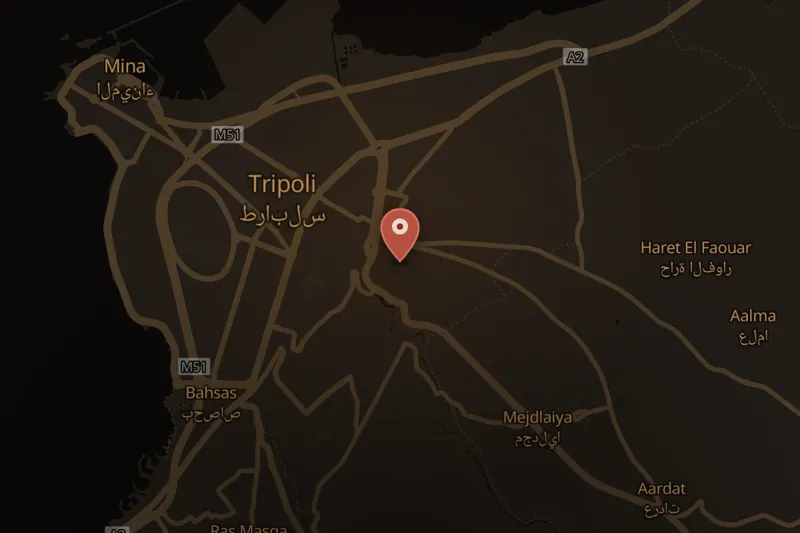
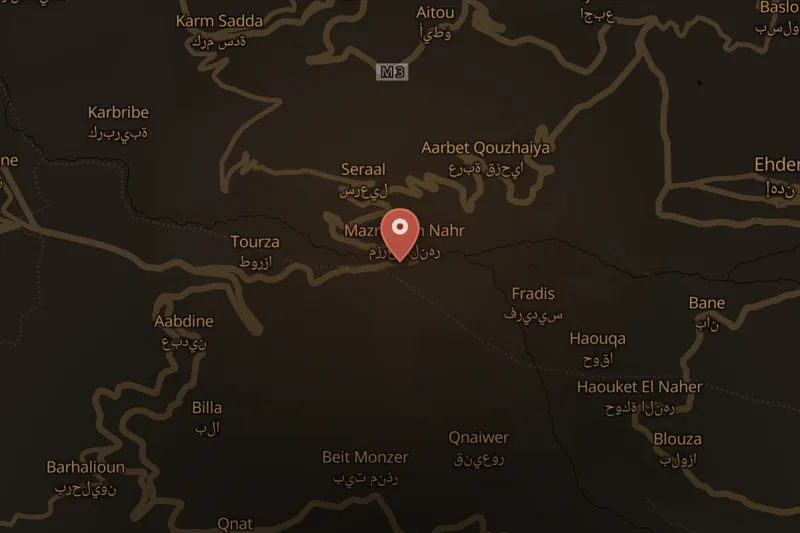
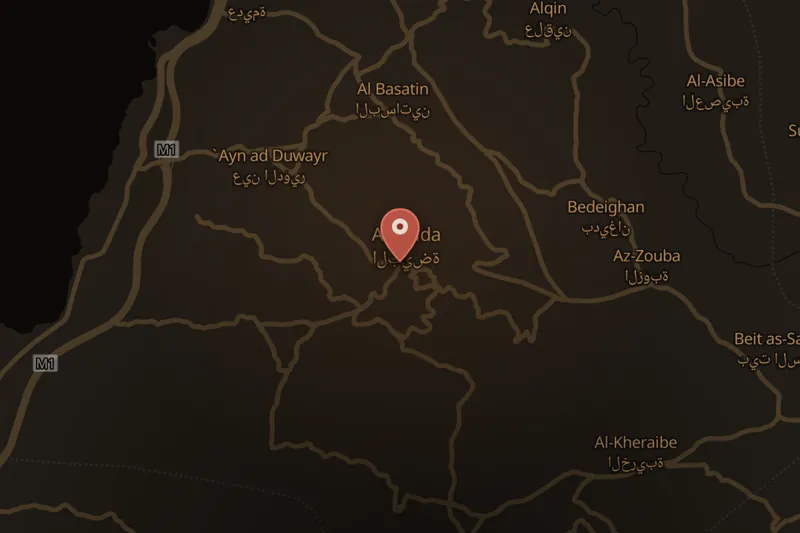
In early May 2013, two mass killings of civilians occurred in the predominantly Sunni village of Bayda and the city of Baniyas, both in Tartus Governorate, Syria. The violence has been attributed to Ba'athist Syrian Army troops supported by Assadist paramilitaries, including the National Defence Force (NDF) and Alawite militia known as Shabiha. According to reporting compiled on Wikipedia, the killings were said to be in retaliation for an earlier rebel attack near the town that left at least half a dozen soldiers dead.
On the morning of 2 May 2013, rebels clashed with Ba'athist Syrian troops near Bayda. Activists reported that a bus carrying Shabiha militants was attacked, killing seven and wounding 20 to 30 others. In the afternoon, Syrian Army forces and Shabiha militiamen returned and stormed the village, reportedly after first bombarding it from the sea with rockets. Troops and pro-government gunmen swept into Bayda, killing dozens of people, including women and children, and burning homes. The UK-based Syrian Observatory for Human Rights documented 51 deaths, while another activist report documented 72. Opposition activists said Bayda was rebel-held but that only 14 rebel fighters were present in the village at the time. Victims reportedly included the village's former imam of 30 years, Sheikh Biyasi, a government loyalist who had resigned two years earlier after alienating residents with his political views; a survivor said he was killed despite having opposed the protests. Reuters reported that the Biyasi family suffered some of the worst losses, with 36 documented deaths.
On 3 May 2013, a second massacre reportedly occurred in the Ras al-Nabaa district of Baniyas, causing hundreds of Sunni residents to flee. One opposition report documented 77 civilian deaths, including 14 children, while two other opposition groups documented by name between 96 and 145 people believed to have been executed in the district. Four pro-government militiamen and two soldiers were also reported killed in clashes with rebel fighters in the area. Syrian state media said government forces sought only to clear the area of "terrorists." Mihrac Ural, described as chief of the Alawite "Syrian Resistance" militant group, reportedly called publicly for ethno-sectarian action against Baniyas residents, stating in a video released 5 May 2013 that "Banias must be soon besieged... and cleansed." Human rights activists and eyewitnesses in Syria said more than 200 civilians were killed and hundreds more forcibly disappeared in the Baniyas massacre.
Death toll estimates vary widely across sources. Reports describe at least 100 killed across both massacres, with some estimates exceeding 400. Human Rights Watch reported 248 dead in mass summary executions. A UN report released in 2013 estimated between 300 and 450 people killed, broken down as 150–250 in one location and 150–200 in another. Survivors testified that regular troops, backed by the NDF, carried out "a murderous attack: burning, looting and killing."

 ONGOINGListen